
Modern industrial facilities, logistics hubs, and multi-tier warehouses face a constant challenge: moving heavy loads between different floor levels quickly, safely, and efficiently. As horizontal factory layouts expand upward to maximize expensive real estate, traditional material handling methods like forklifts often reach their physical and operational limits. For high-frequency, heavy-duty vertical transportation, integrating a dedicated hydraulic cargo lift platform has become the industry standard for smart material management.
Unlike passenger elevators, which are engineered for speed and aesthetic comfort, industrial lifting systems focus on structural rigidity, high weight capacities, and seamless workflow integration. This article explores the engineering mechanics, key operational advantages, and critical selection criteria that business owners must consider when investing in heavy-duty vertical transport equipment.
The Core Mechanics of Hydraulic Vertical Conveyors
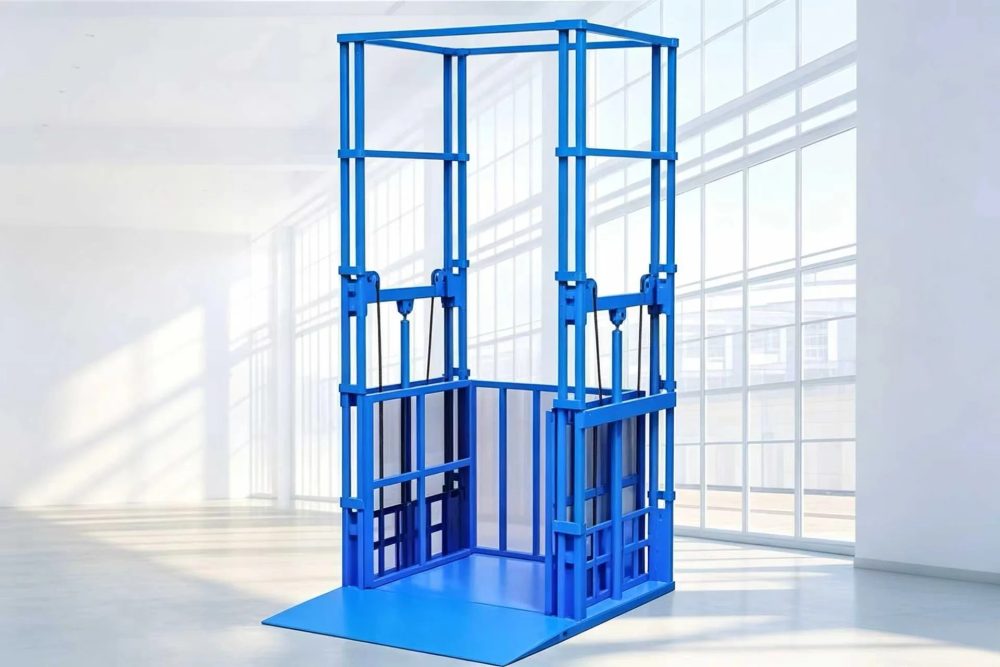
To understand why these systems excel in rugged industrial settings, it is essential to look at the engineering under the hood. A heavy-duty vertical conveyor relies on a robust fluid-power system. When the operator triggers the control panel, an electric motor drives a high-pressure pump, forcing hydraulic oil into precision-engineered cylinders. This fluid pressure extends the pistons, which smoothly raises the carrier structure.
One of the greatest engineering strengths of a hydraulic cargo lift platform is its mechanical simplicity compared to traction-based cable systems. With fewer moving parts, less friction, and no complex overhead hoisting machinery required, these lifts deliver exceptional reliability. The weight of the load is transferred directly into the concrete foundation of the building through vertical guide rails or scissor mechanisms, reducing the structural stress placed on the building’s walls. This makes the hydraulic cargo lift platform an incredibly durable choice for heavy factories.
Furthermore, fluid-power machinery offers unmatched lifting smoothness. The acceleration and deceleration phases are managed by proportional hydraulic valves, which eliminate sudden jerks or vibrations. This precise movement protects sensitive industrial components from experiencing structural shocks during vertical transit.
Major Configurations for Industrial Applications
Industrial environments vary wildly, meaning lifting equipment must be adaptable. Manufacturers generally categorize fluid-powered freight lifts into two primary structural designs, each suited for distinct spatial and operational requirements.
1. Vertical Guide Rail Systems
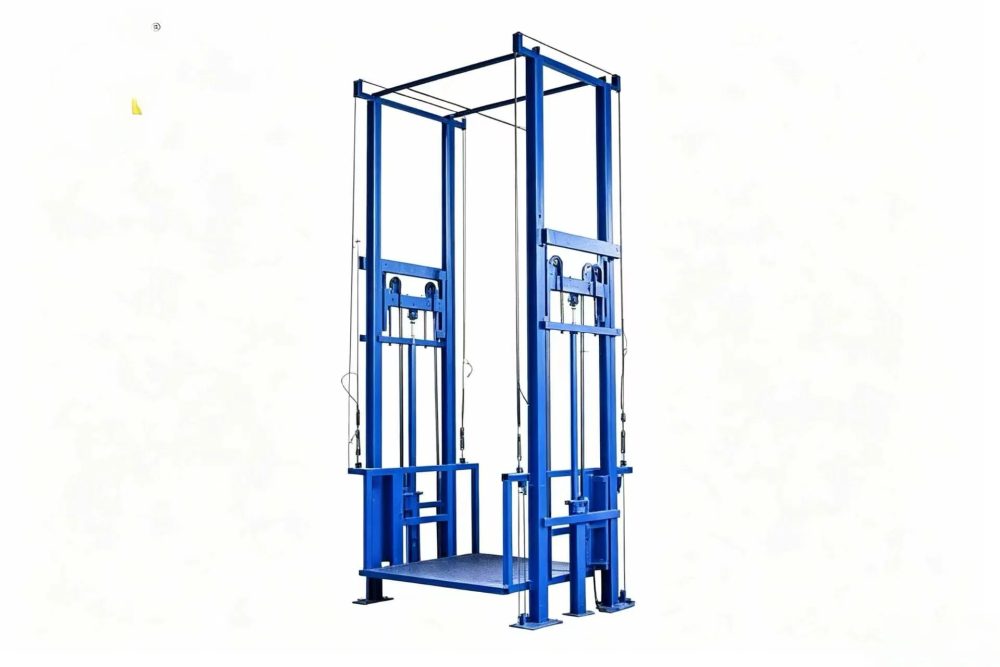
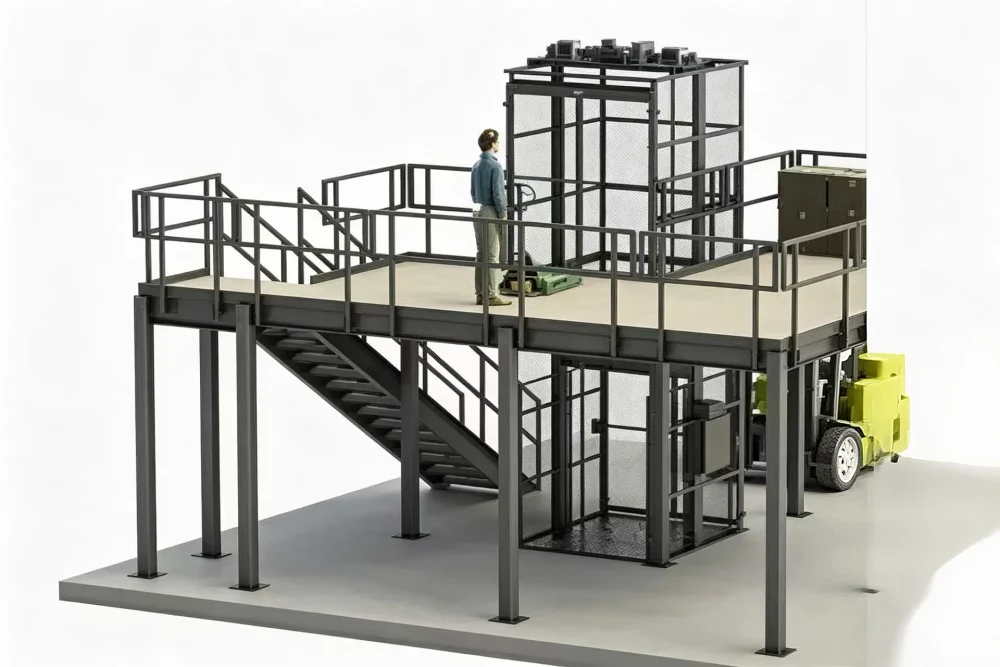
Often referred to as freight lifts or vertical reciprocating conveyors (VRCs), this configuration uses dual or quad steel guide rails anchored to the building structure. The platform is suspended by heavy-duty leaf chains or steel cables connected to hydraulic cylinders. This design is ideal for multi-story installations because it offers high travel heights while maintaining a remarkably compact footprint, allowing your hydraulic cargo lift platform to fit into tight warehouse corners.
2. Heavy-Duty Scissor Mechanisms
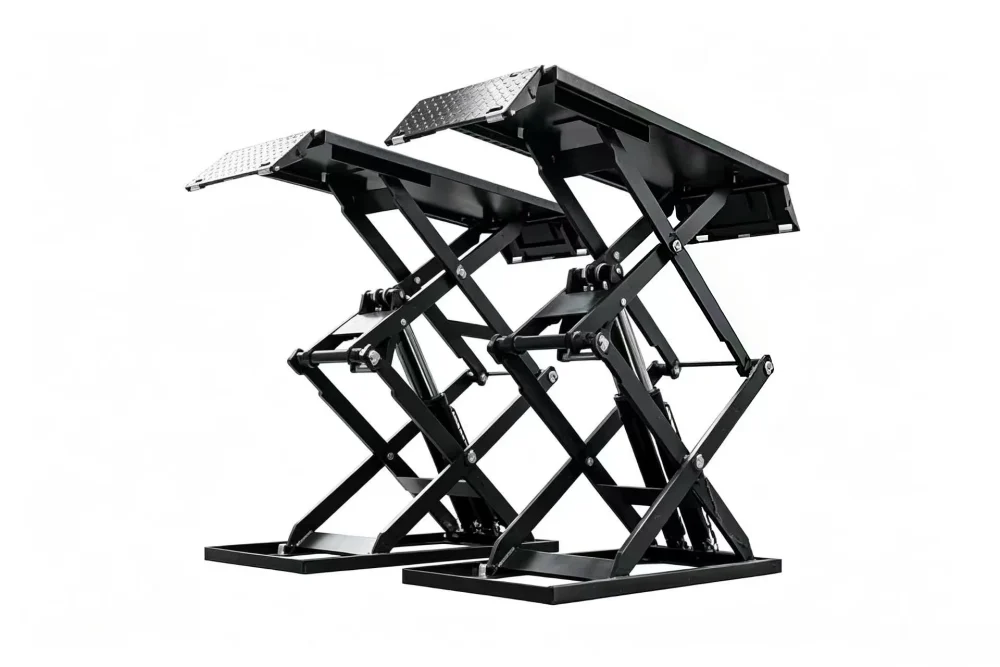
When a facility requires heavy material transport over a lower vertical distance, a scissor-style hydraulic cargo lift platform is the preferred choice. The lifting arms form a pantograph structure beneath the deck. As the cylinders push the scissor arms apart, the platform rises vertically. This setup is highly favored for loading docks, assembly line integration, and bridging small floor-level gaps because it provides unmatched structural stability for exceptionally wide or off-center loads.
Operational Parameters and Specifications
Selecting the right equipment requires a clear alignment between factory demands and machine capabilities. The table below outlines typical technical specifications for professional-grade industrial lifting platforms based on varying operational priorities.
| Material Handling Priority | Structural Blueprint | Average Capacity Range | Maximum Vertical Travel | Primary Industrial Environment |
| Multi-Floor Logistics | Quad Guide Rail | 2,000 kg – 10,000 kg | Up to 18 meters | Distribution centers, multi-tier warehouses |
| High-Capacity Loading | Heavy Scissor Mechanism | 5,000 kg – 30,000 kg | Up to 6 meters | Manufacturing plants, heavy machinery bays |
| Restricted Spatial Footprint | Dual Guide Rail | 500 kg – 2,000 kg | Up to 12 meters | Retail stockrooms, compact urban workshops |
| Hazardous Processing | ATEX Explosion-Proof | 1,500 kg – 5,000 kg | Up to 10 meters | Chemical refineries, pharmaceutical plants |
Strategic Advantages of Upgrading Your Vertical Workflow
Enhanced Floor Space Optimization
Real estate expansion is incredibly costly. Constructing horizontal warehouse additions can drain a company’s capital reserves. Implementing a hydraulic cargo lift platform allows businesses to utilize high ceilings and construct structural mezzanines, effectively doubling or tripling storage capacity within the existing building footprint.
Streamlined Throughput and Efficiency
Manually moving heavy components up ramps or relying solely on forklifts creates major operational bottlenecks. Forklifts can only reach specific heights and require wide driving lanes. A dedicated hydraulic cargo lift platform provides a fixed, rapid transport pathway that can cycle tons of inventory per hour, ensuring that production lines remain constantly supplied with raw materials.
Minimization of Workplace Injuries
Heavy material handling is a leading cause of workplace musculoskeletal injuries. By automating the vertical transit of heavy pallets, industrial machinery, and oversized containers, a modern hydraulic cargo lift platform removes your workforce from high-risk manual lifting scenarios. Furthermore, modern lifts are fully enclosed, preventing goods from shifting or falling during transit.
Critical Engineering Factors to Consider Before Installation
Every warehouse has its own architectural quirks, structural capacities, and workflow demands. Working closely with a manufacturer to customize your hydraulic cargo lift platform requires evaluating several foundational data points.
Total Weight Profiling and Duty Cycles
It is vital to calculate not just the average weight of your pallets, but the maximum potential load the system will encounter. Overloading a system places intense pressure on hydraulic seals and valves. Additionally, specify the expected duty cycle—how many times the lift will run per hour. High-frequency environments demand a heavy-duty hydraulic cargo lift platform equipped with advanced oil cooling systems to prevent thermal fatigue.
Pit Installation vs. Low-Angle Ramps
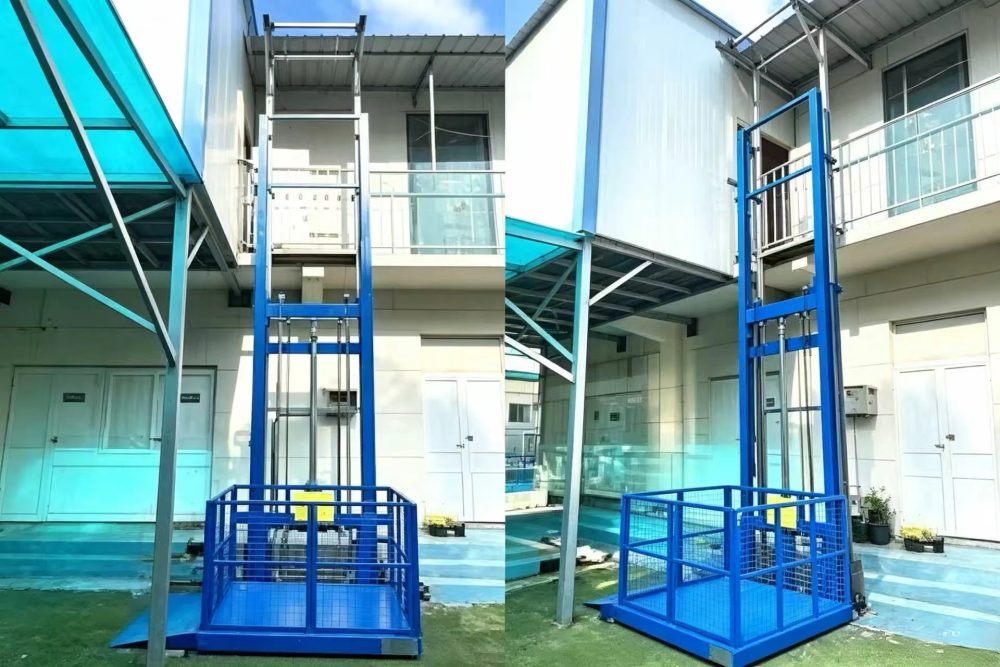
To achieve a flush transition between the warehouse floor and the lifting deck, a shallow concrete pit is typically excavated. If cutting into the concrete slab is impossible due to underground utilities or structural restrictions, the alternative is to mount a surface-style hydraulic cargo lift platform directly on the existing floor and pair it with an extended, low-angle approach ramp, allowing hand trucks and pallet jacks to roll onto the deck smoothly.
Environmental Elements and Specialized Finishes
If your machinery will be placed in a food processing facility or a chemical plant, standard steel finishes will degrade rapidly under intense washdown protocols. Specifying stainless steel construction protects the equipment from corrosion. A properly customized hydraulic cargo lift platform will utilize specialized weatherproofing or explosion-proof motors to match these rigorous industrial conditions perfectly.
Integral Safety Frameworks for Industrial Equipment
In high-capacity industrial settings, safety redundancies are absolutely non-negotiable. Because these systems handle immense physical forces, premium manufacturing demands multiple layers of mechanical and hydraulic protection to safeguard both your personnel and your valuable cargo. Your hydraulic cargo lift platform must be equipped with modern safety systems to prevent workplace accidents.
First, the system must utilize pressure-compensated flow control valves, commonly known as velocity fuses. Installed directly at the base of the hydraulic cylinders, these safety components instantly lock the oil within the cylinder if a sudden drop in pressure occurs, such as a ruptured hose, preventing a catastrophic platform free-fall. This ensures that the hydraulic cargo lift platform remains securely suspended even during a sudden hydraulic line failure.
Second, the structural perimeter must be protected by full-height mesh enclosures equipped with electromechanical door interlocks. These smart locks ensure that the landing gates cannot be opened unless the hydraulic cargo lift platform is fully present at that specific level. Conversely, the lift remains completely immobilized if any safety gate in the facility is left unlatched, eliminating accidental falls down the hoistway.
Finally, overload sensory alarms should always be integrated into the electrical control logic. If an operator attempts to load a payload that exceeds the rated capacity, internal sensors trigger an audible alarm and disable the lifting circuit entirely. This safety loop protects the structural integrity of your hydraulic cargo lift platform from unexpected mechanical stress.
Financial Analysis and Long-Term Return on Investment
While a bespoke industrial lift represents a significant upfront capital investment, analyzing the long-term operational savings reveals an impressive return on investment (ROI). Integrating a hydraulic cargo lift platform into your building design minimizes structural overhead while maximizing material transport speeds.
Consider the direct cost savings generated over the equipment’s lifespan:
Drastic Reduction in Labor Hours: Moving materials vertically with a specialized transport deck takes a fraction of the time compared to using traditional forklifts, drastically reducing overall operational labor costs.
Lower Operational Maintenance Expenses: Fluid-powered systems possess fewer mechanical friction points than traction cable hoists. Because a hydraulic cargo lift platform experiences less wear and tear during standard operation, facilities experience fewer unexpected breakdowns and lower annual maintenance bills.
Minimized Inventory Damage: The acceleration curves of modern fluid-power valves are incredibly smooth. This ultra-stable movement prevents delicate cargo from tipping over, falling, or sustaining costly cosmetic or structural damage during transit.
Most commercial facilities discover that the combined financial benefits of accelerated production throughput, lowered labor demands, and optimized vertical space allow the equipment to pay for itself within the first 12 to 24 months of daily operation. Over its lifespan, the hydraulic cargo lift platform continues to drive facility efficiency forward.
Proactive Maintenance for Maximum Equipment Lifespan
To ensure your lifting machinery remains operational for decades, a rigorous preventative maintenance schedule must be enforced by shop managers. Regular checkups protect your hydraulic cargo lift platform from unexpected wear and maintain its high safety ratings.
Operators should clear any foreign material away from the guide rails and out of the concrete pit weekly to prevent mechanical binding. Check fluid levels in the power unit reservoir regularly as well. The oil must remain clear and free of water contamination; clouded or dark fluid should be replaced immediately to protect the internal pump gears of your hydraulic cargo lift platform from premature wear.
Finally, a certified technician should conduct semi-annual structural audits. This inspection focuses on checking all structural welds, verifying the tension of the leaf chains, and testing the emergency velocity fuses. Consistent mechanical maintenance guarantees that your hydraulic cargo lift platform will continue to perform safely under maximum capacity loads for years to come.
Questions fréquemment posées
Can personnel ride on a standard material cargo lift?
No. Industrial vertical reciprocating conveyors (VRCs) and material lifting platforms are strictly engineered, rated, and certified for the transportation of goods, materials, and vehicles only. Personnel are explicitly prohibited from riding on the platform. Because they are not designed for passenger transport, a hydraulic cargo lift platform follows different regulatory codes, making it far more cost-effective to install and maintain than traditional passenger freight elevators.
What kind of building foundation is required for a high-capacity lift?
A high-capacity hydraulic cargo lift platform requires a solid, level concrete foundation slab capable of supporting both the weight of the machinery and its maximum rated cargo load. Typically, a reinforced concrete floor with a thickness between 150mm to 200mm and a standard compression rating of 3,000 PSI or higher is completely sufficient for standard commercial installations.
How do hydraulic systems perform in cold storage or freezer warehouses?
They perform exceptionally well, provided the system is prepared correctly. In cold storage environments, standard hydraulic oil can become thick and viscous, slowing down lift speeds and straining the pump motor. To prevent this, your hydraulic cargo lift platform manufacturer will utilize specialized low-viscosity, low-temperature hydraulic fluid and integrate internal oil reservoir heaters to keep the fluid flowing smoothly at optimal operating temperatures.
What happens to the lift platform if a facility suffers a sudden power outage?
Safety is built directly into the core fluid-power design. If your warehouse experiences a sudden blackout, the electrical valves regulating the fluid flow close automatically, locking the oil within the cylinders. This ensures a hydraulic cargo lift platform holds its position perfectly in the air and will not drop. Furthermore, standard control panels feature a manual lowering valve, allowing technicians to manually bleed the oil safely and lower the deck to the ground floor during an extended outage.
Conclusion: Securing a Scalable Industrial Foundation
In an increasingly competitive global market, operational efficiency dictates business success. Transitioning away from slow, dangerous, or improvised vertical material handling methods by installing a professional hydraulic cargo lift platform is a strategic move that immediately modernizes your facility’s logistics. By matching heavy-duty engineering with your specific architectural footprint, you create a safer, faster, and far more profitable workspace.
The ultimate success of your industrial upgrade relies on partnering with a highly experienced manufacturing expert. You need an engineering team that understands material dynamics, localized safety compliance, and robust structural fabrication to build a dependable hydraulic cargo lift platform for your facility.
Our manufacturing team specializes in engineering high-performance, ultra-durable vertical lifting solutions tailored precisely to your unique spatial constraints and weight requirements. From initial CAD blueprint modeling to factory testing and final onsite technical installation, we provide premium industrial equipment designed to keep your business moving upward safely. Let us build the perfect hydraulic cargo lift platform for your operational needs.
Get in Touch with Our Engineering Specialists:
For comprehensive product catalogs, wholesale pricing breakdowns, or customized architectural layout consultations, reach out to our team today:
Phone/WhatsApp: +86 18954171380
Email: [email protected]
 French
 English
 Arabic
 Korean
 Spanish
 German
 Russian