
In modern industrial and commercial environments, the seamless vertical movement of heavy goods is crucial to sustaining operational throughput. Whether you are running a high-capacity logistics center, a manufacturing plant, or a multi-story retail outlet, material flow bottlenecks can severely hurt your bottom line. A robust freight elevator lift serves as the backbone of logistics in multi-story warehouses, manufacturing plants, and retail distribution centers, ensuring that goods move efficiently and securely across different building levels.
Relying on manual labor or sub-optimal lifting equipment not only slows down operations but also increases the risk of workplace injuries. Investing in a dedicated freight elevator lift optimizes workflow efficiency while ensuring that heavy cargo is transported securely between floors. However, choosing the ideal system requires a deep understanding of your facility’s specific architectural layouts, load profiles, and material handling methods. This comprehensive guide details everything you need to know about selecting, installing, and maintaining your vertical transport systems.
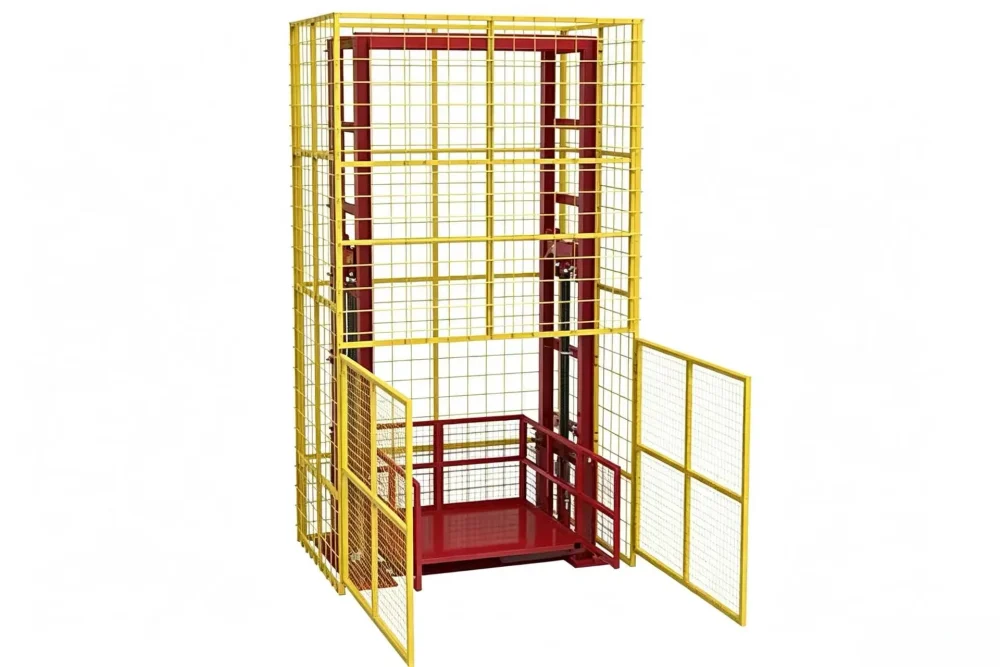
What is a Freight Elevator Lift?
At its core, a freight elevator lift is a heavy-duty vertical transport system specifically engineered to carry cargo rather than passengers. These systems are designed to withstand the daily physical abuse of heavy machinery, loading equipment, and bulk materials.
Unlike standard passenger lifts, a freight elevator lift is designed with rugged interior finishes, reinforced steel platforms, and vertical-sliding or heavy-duty swing doors that maximize the usable width of the entryway. The focus of these systems is entirely on durability, payload capacity, and reliable performance under high-stress conditions.
These systems are classified into various categories based on their loading methods and structural design. Choosing the right freight elevator lift depends heavily on whether your facility uses forklifts, manual pallet jacks, or automated guided vehicles (AGVs) to load materials. Understanding the loading classifications (such as Class A for general freight, Class B for motor vehicle loading, and Class C for industrial truck loading) is vital during the early engineering and planning phases.
Generally, a hydraulic freight elevator lift is preferred for low-to-medium rise buildings due to its high lifting capacity and cost-effective installation. For taller structures requiring high-speed transport over multiple floors, traction-driven models are typically used.
Key Applications and Industries
The utility of heavy-duty material transport spans across several sectors. Different industries rely on these robust systems to maintain productivity and meet safety compliance regulations.
Warehousing and Third-Party Logistics (3PL)
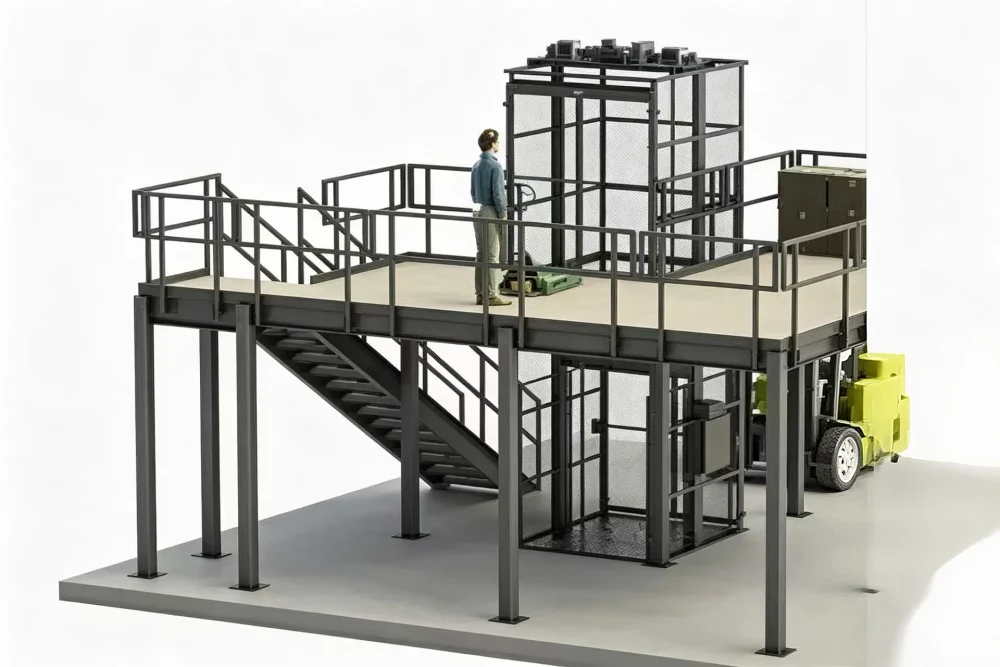
In massive logistics hubs, goods constantly arrive, get sorted, and move to storage zones on higher mezzanine levels. Here, vertical transport systems act as structural lifelines. They allow facilities to maximize vertical storage space without worrying about how heavy pallets will be moved back down to the loading docks.
Industrial Manufacturing
Industrial manufacturing facilities rely heavily on vertical material flow. In these plants, a freight elevator lift continuously moves heavy raw materials, machinery components, and finished goods between production levels. Because manufacturing environments are often exposed to dust, heat, and chemical residues, these lifts are built with explosive-proof options and corrosion-resistant materials to guarantee uptime.
Retail and Commercial Hubs
Retail hubs and shopping malls also integrate a freight elevator lift in their back-of-house areas to transition inventory from delivery trucks to stockrooms. Keeping the transportation of stock separate from passenger pathways keeps the customer-facing areas clear, organized, and safe.
Automotive Dealerships and Parking Garages
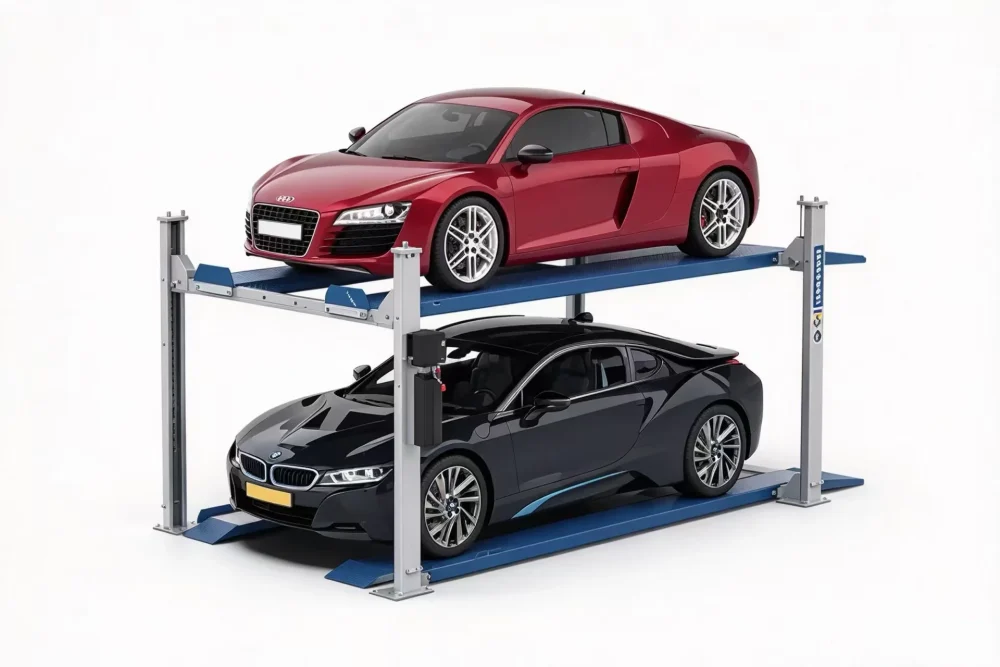
Even in the automotive industry, a heavy-duty freight elevator lift is used to transport vehicles between levels of a dealership or repair garage. These specialized vehicle lifts feature wide platforms and high structural load capacities to accommodate cars, SUVs, and light trucks.
Key Features & Technical Specifications
When evaluating different models, the load capacity is the most critical parameter of any freight elevator lift. Capacity requirements are generally divided into several standardized weight brackets, ranging from 2,000 lbs (approx. 900 kg) to over 20,000 lbs (approx. 9,000 kg) for specialized industrial applications.
Additionally, safety features on a freight elevator lift must go far beyond those found on standard passenger elevators. These safety mechanisms protect both the valuable inventory and the operators who load and unload the cabins:
Overload Protection: Sensors that prevent the lift from operating if the weight limit is exceeded.
Emergency Braking Systems: Mechanical safety gears that grip the guide rails to halt descent instantly in the rare event of a cable or hydraulic failure.
Heavy-Duty Door Interlocks: Systems that guarantee the cabin doors cannot be opened unless the platform is safely locked at the landing.
Modern control systems ensure that the freight elevator lift aligns perfectly level with the landing floor, preventing tripping hazards or damage during loading. Micro-leveling capabilities are particularly important when using forklifts or pallet jacks, as uneven transitions can cause severe jolts that damage the lift’s structural frame.
System Comparisons
To help you understand the differences between different vertical transport options, the table below highlights how a standard freight elevator lift compares to other systems.
| 사양 | Heavy-Duty Freight Elevator Lift | Standard Passenger Lift | Vertical Reciprocating Conveyor (VRC) |
| Primary Purpose | High-capacity cargo transport | Passenger movement | Material-only transport |
| 무게 용량 | 2,000 lbs to 20,000+ lbs | 1,500 lbs to 5,000 lbs | 500 lbs to 10,000 lbs |
| Interior Finish | Steel plates, bumper rails | Decorative panels, mirrors | Open cages or simple steel walls |
| Permitted Riders | Operators & freight handlers | General public | Material only (No riders allowed) |
| Drive Mechanisms | Hydraulic or Geared Traction | Traction or MRL (Machine-Roomless) | Hydraulic, mechanical, or chain |
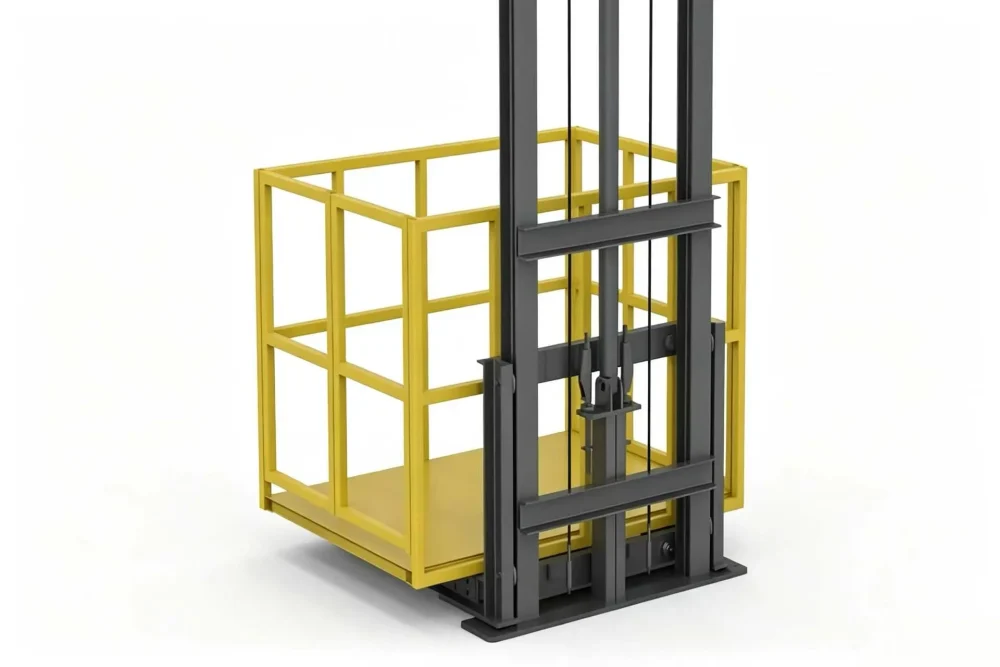
Installation & Compliance Requirements
Installing a heavy-duty freight elevator lift requires meticulous structural planning and architectural engineering. Unlike standard equipment, these massive machines place significant stresses on the building’s foundation and structural columns.
Pit Depth and Overhead Clearance
Builders must account for pit depth and overhead clearance before committing to a specific freight elevator lift design. Hydraulic models usually require a deeper pit to house the cylinder assemblies, while traction systems require dedicated space above the shaft to accommodate the hoist machinery and control panels.
Structural Shaft and Enclosure
The elevator shaft (or hoistway) must be fire-rated and capable of supporting the guide rail brackets. These brackets absorb the lateral forces exerted when heavy machinery, like forklifts, drives onto the platform. Proper alignment of these guide rails is critical to preventing vibration and premature wear on the elevator’s guide shoes.
Building Codes and Regulatory Compliance
Compliance with local building codes and ASME/EN safety standards is mandatory when implementing a freight elevator lift in a commercial space. Regular inspections by certified third-party authorities are required to secure and maintain operating permits. Working with an experienced manufacturer ensures that your equipment meets all regional safety, structural, and electrical codes from day one.
Maintenance and Longevity Strategies
Preventive maintenance is the key to ensuring the operational longevity of your freight elevator lift. Given the harsh nature of industrial environments, waiting for a breakdown to occur can lead to expensive emergency repairs and costly operational downtime.
Routine Lubrication and Inspections
Regular lubrication of guide rails and inspection of hydraulic seals will keep your freight elevator lift running smoothly for decades. Technicians should conduct weekly or monthly visual checks on wire ropes, hydraulic fluid levels, safety switches, and door alignment to identify minor issues before they turn into major system failures.
Maintaining Cleanliness
Debris, dust, and material scraps often fall into the door tracks of the lift. If left unchecked, this buildup can prevent the doors from closing fully, triggering system errors that lock the lift out of service. Keeping the sill tracks clean is a simple yet highly effective way to maintain daily uptime.
자주 묻는 질문
What is the average weight capacity of a standard freight elevator lift?
The weight capacity varies widely depending on the application. Light commercial models typically start at around 2,000 lbs to 3,000 lbs. For heavy-duty industrial warehouses and manufacturing facilities, capacities generally range between 5,000 lbs and 15,000 lbs, with custom-engineered systems capable of lifting over 30,000 lbs.
How does a hydraulic freight elevator lift differ from a traction-drive model?
A hydraulic model utilizes a fluid-driven piston to push the cabin upward, making it exceptionally powerful and highly cost-effective for buildings with 2 to 4 stories. On the other hand, a traction-drive model uses steel cables, sheaves, and counterweights. Traction systems are faster, more energy-efficient, and suitable for mid-to-high-rise structures, though they typically require a higher initial investment.
What safety certifications are required for a commercial freight elevator lift?
In North America, these systems must comply with the ASME A17.1 safety code for elevators and escalators. In Europe, they must adhere to the EN 81 series standards. Local municipalities also impose specific fire ratings, electrical certifications, and building permits that must be approved prior to hand-off.
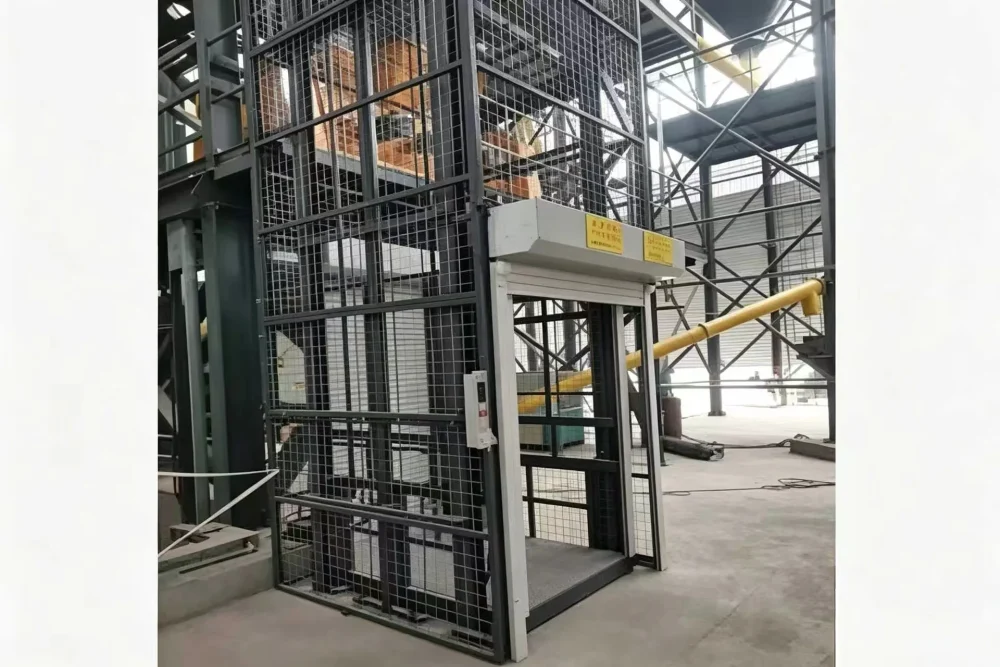
Partner with the Experts
Finding the perfect freight elevator lift tailored to your unique architectural layout and operational demands is a major step toward scaling your business. Choosing the right partner ensures your lifting equipment is designed, manufactured, and installed to meet the highest safety and performance standards.
Whether you need a custom-built solution for an existing facility or are planning a new construction project, our team is ready to guide you through the planning, engineering, and deployment phases. Contact us today to discuss your project specifications and receive a customized quote:
Phone/WhatsApp: +86 189 5417 1380
Email: [email protected]
 Korean
 English
 Arabic
 French
 Spanish
 German
 Russian