
Modern industrial and logistics landscapes demand seamless vertical transport. When expanding or optimizing a multi-level facility, factory, or distribution center, material handling infrastructure becomes a primary operational bottleneck. Among the various material handling assets available, heavy-duty cargo lifts stand out as critical investments. Navigating the market requires a balanced understanding of technical specifications, building compliance, and financial forecasting.
For most procurement managers and facilities directors, the pivotal question during structural planning centers on budgetary allocation: what is the actual industrial freight elevator cost over its operational lifespan? This comprehensive analysis breaks down the variables driving procurement budgets, structural prerequisites, and engineering variations to help you make an informed investment.
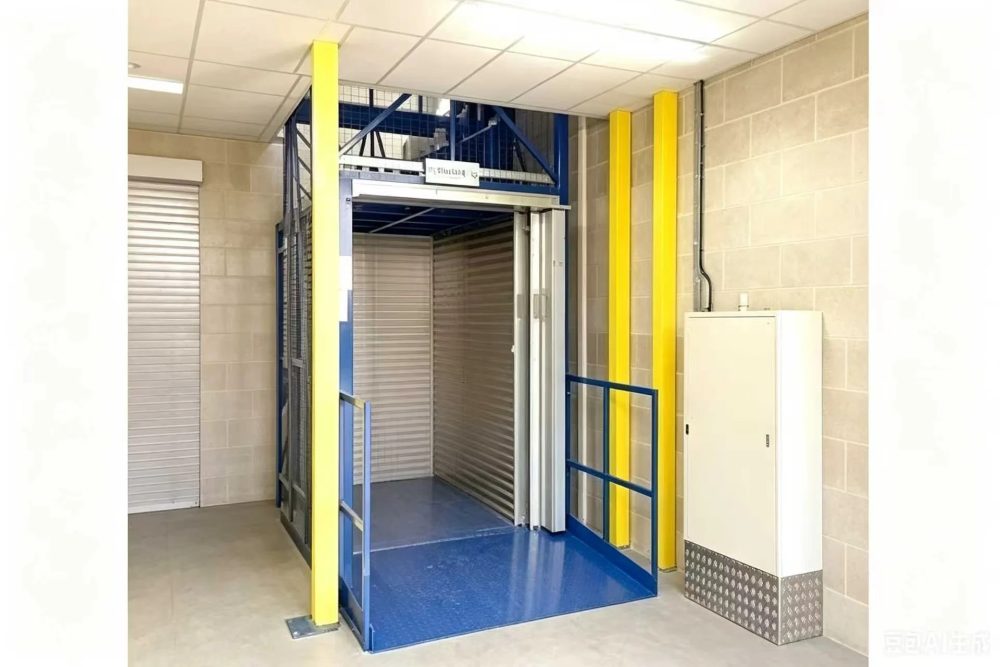
1. Deconstructing the Industrial Freight Elevator Cost Blueprint
Purchasing capital equipment for a industrial workspace involves looking beyond the initial factory quote. The true financial commitment is a combination of manufacturing quality, spatial modifications, and long-term compliance procedures.
Total Investment = Base Manufacturing + Custom Engineering + Site Preparation + Professional Installation
Base Manufacturing and Structural Engineering
The foundational element of your industrial freight elevator cost rests on the underlying mechanical architecture. Hydraulic systems, which use heavy-duty cylinders and fluid pressure, generally present a lower upfront manufacturing cost for low-rise installations (two to three stories). Conversely, traction-driven systems utilize counterweights, steel ropes, or poly-belts. While traction models offer superior speeds and serve higher lift travels, their complex machinery elevates the initial production pricing.
Load Capacity Ratings
Industrial cargo lifts are engineered to survive environments that would destroy standard passenger elevators. Load capacities are categorized under international engineering standards (such as ASME A17.1 or EN 81-20) into distinct classes:
Class A (General Freight Loading): Designed for distributed loads where no single piece exceeds 25% of the capacity.
Class B (Motor Vehicle Loading): Specially engineered to transport automobiles or trucks.
Class C (Industrial Truck Loading): Built to withstand the intense impact and off-balance forces exerted when heavy forklifts or electric pallet jacks drive directly into the cabin.
Opting for Class C engineering naturally increases the industrial freight elevator cost due to the structural reinforcement required for the platform, vertical guide rails, and car frame.
2. Key Technical Specifications and Budget Drivers
To provide a clear overview of how specific mechanical parameters affect your capital expenditure, consider the comprehensive overview below. Balancing these structural demands is the first step toward managing your overall project budget.
| Engineering Parameter | Standard Range | Impact on Total Budget | Operational Advantage |
| Nominal Load Capacity | 2,000 kg – 10,000+ kg | 높음 | Higher capacities require thicker structural steel frames and larger pistons. |
| Travel Height & Stops | 2 to 6 Floors (Up to 25m) | Moderate | Every additional floor adds guide rails, landing doors, and wiring harnesses. |
| Drive Mechanism | Hydraulic vs. Traction | 높음 | Hydraulic is cost-effective for low-rise; traction fits high-speed, multi-floor hubs. |
| Cabin Interior Styling | Checkered Steel / Stainless | Low | Heavy-duty non-slip plates reduce long-term wear and maintenance expenses. |
| Door Configurations | Vertical Bi-parting / Side-sliding | Moderate | Automated vertical bi-parting doors optimize clear opening width for forklifts. |
When calculating your estimated industrial freight elevator cost, remember that structural customization—such as explosion-proof electrical enclosures for chemical plants or marine-grade rust protection for coastal facilities—will introduce a premium to these baseline figures.
3. Spatial Prerequisites and Civil Engineering Impact
Integrating heavy-duty lifting machinery into an existing warehouse layout or a new construction project requires precise civil engineering preparation. Neglecting these spatial demands can unexpectedly double your anticipated installation outlays.
Hoistway Construction and Shaft Material
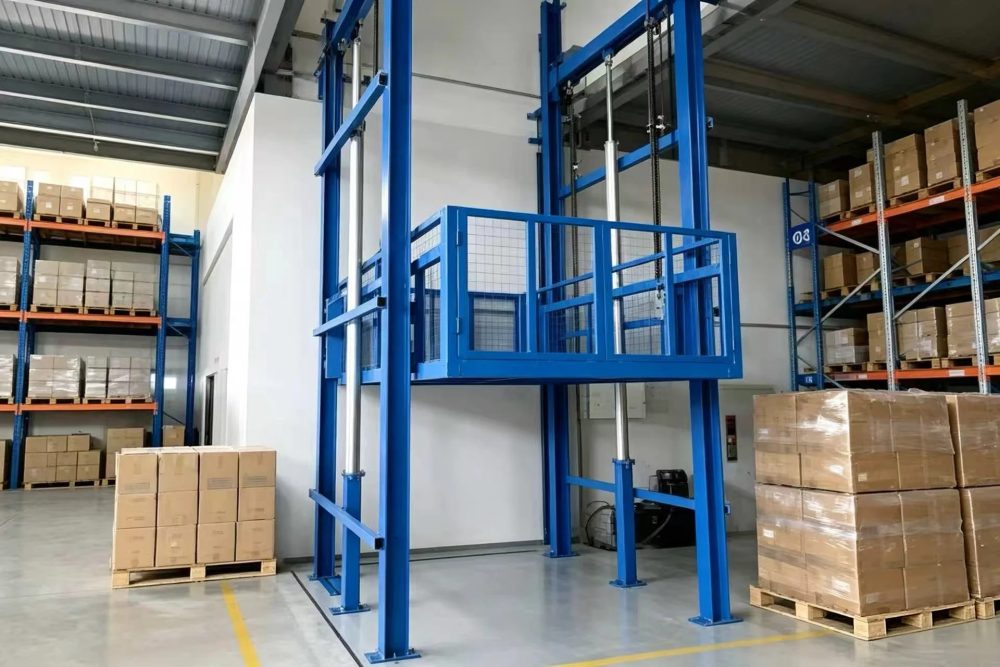
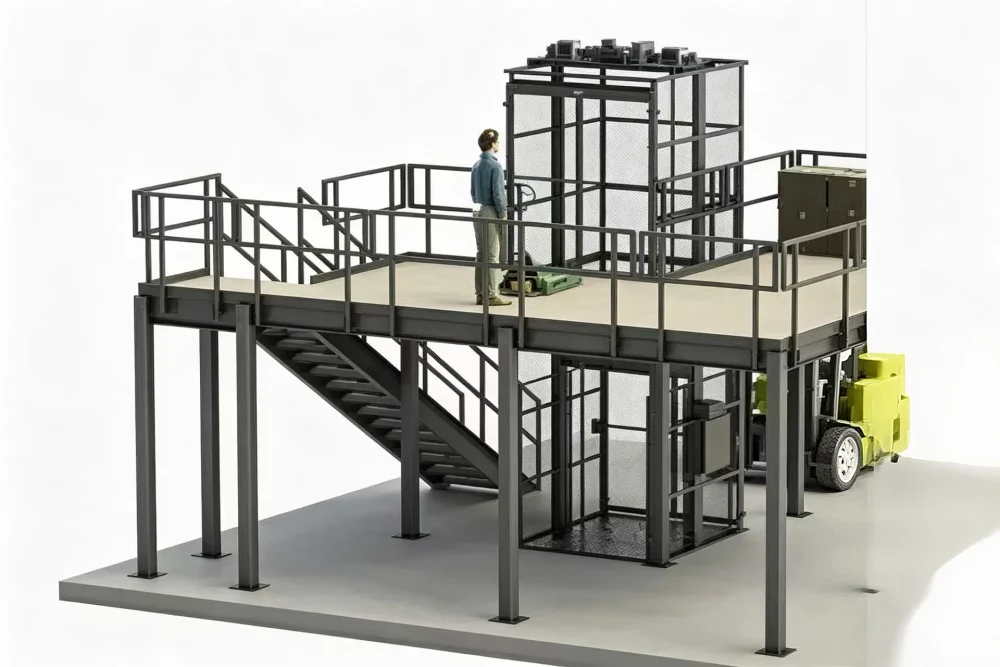
The vertical shaft housing the lifting platform must withstand substantial kinetic forces. Building a concrete block or reinforced concrete hoistway provides excellent fire separation and structural rigidity, but it adds significantly to the site-preparation portion of your industrial freight elevator cost. If your building layout cannot support a traditional masonry shaft, a self-supporting structural steel guide-rail tower can be engineered, minimizing building modifications.
Pit Depth and Overhead Clearances
Most high-capacity freight elevators require a structural pit excavated below the lowest finished floor level. This pit absorbs the impact buffers and houses structural steel under-frames. A standard pit ranges from 1,000mm to 1,500mm deep. If your facility has underlying structural slabs, utility lines, or high water tables that prevent deep excavation, a low-profile ramp or a specialized shallow-pit system must be used. These architectural modifications will directly influence the final industrial freight elevator cost.
4. Understanding Operational Lifetime Expenses (OpEx)
A strategic procurement strategy looks beyond the initial purchase price to evaluate the total cost of ownership (TCO). A lower upfront asset price can mask exorbitant recurring operational costs.
Total Cost of Ownership (TCO) = Initial Purchase + Energy Consumption + Semi-Annual Maintenance + Component Replacement
Preventive Maintenance and Compliance Audit Schedules
Industrial lifting machinery faces grueling duty cycles. To prevent catastrophic operational downtime, facilities must implement a semi-annual or quarterly preventative maintenance routine. Certified lift technicians must inspect cable tension, verify hydraulic oil viscosity, check for system leaks, and recalibrate mechanical door interlocks. Factoring regular maintenance agreements into your operational budget ensures that your industrial freight elevator cost remains predictable over a 15- to 20-year lifecourse.
Energy Efficiency and Power Infrastructure
The choice of drive system dictates your monthly utility billing. Hydraulic systems pull significant power during the ascent phase to drive the fluid pump but use minimal electricity on descent by leveraging gravitational forces. Traction systems, especially those utilizing variable-voltage, variable-frequency (VVVF) smart controllers, distribute energy consumption more evenly. Investing in energy-efficient control systems lowers long-term operational costs, offsetting a higher initial industrial freight elevator cost.
5. Strategic Procurement: Navigating the Global Manufacturing Market
When sourcing industrial-grade vertical transport, global supply chains offer diverse procurement paths. Navigating these options requires balancing structural certification with competitive price structures.
Partnering directly with specialized engineering manufacturers allows enterprise clients to bypass domestic distribution markups. Overseen by rigorous international standards like ISO9001, modern manufacturing facilities deliver top-tier equipment customized to exact warehouse dimensions.
By utilizing precision CNC fabrication and automated robotic welding, international factories optimize material consumption. This structural efficiency lowers the base manufacturing price, allowing buyers to secure a highly competitive industrial freight elevator cost without sacrificing structural safety or raw material quality.
Furthermore, direct engineering collaboration ensures that customized options—such as reinforced non-slip flooring, integrated weight sensors, or specialized automated conveyor interfaces—are integrated directly during the initial fabrication phase, eliminating expensive field retrofits during final assembly.
6. Crucial Safety Systems and Regulatory Approvals
Cutting corners on structural safety to artificially lower your industrial freight elevator cost is a dangerous strategy that introduces massive liability risks and potential regulatory closures. High-capacity commercial freight lifts must be equipped with redundant mechanical safety layers.
Progressive Safety Gears: Overspeed governors must be installed to mechanically lock the cabin to the vertical guide rails if descending speeds exceed safe parameters.
Slack Rope / Chain Protection: In the event of a lifting line failure, immediate mechanical interlocks must activate to prevent cabin freefall.
Overload Sensor Networks: Electronic strain gauges prevent the elevator from operating if the load exceeds the certified structural capacity, protecting both operators and the building’s structural integrity.
Emergency Lowering Protocols: If your industrial park suffers a sudden power outage, an internal battery backup or manual lowering valve must allow operators to safely bring the platform to the lowest landing to retrieve cargo.
Ensuring your equipment possesses verified EN 81-41, ASME, or CE compliance certifications may elevate the initial industrial freight elevator cost, but it protects your workforce and guarantees approval from local building inspectors.
Frequently Asked Questions (FAQ)
What is the typical timeframe for installing a heavy-duty freight elevator?
The complete workflow from engineering approval and factory fabrication to overseas shipping and on-site assembly generally spans 8 to 12 weeks. The physical on-site mechanical installation by certified technicians takes roughly 7 to 14 business days, depending on shaft complexity and the total number of floors.
How does a hydraulic drive compare to a traction drive regarding overall industrial freight elevator cost?
For low-rise warehouses with two to three stories, hydraulic systems offer an exceptionally cost-effective balance of high lifting capacity and moderate initial investment. For taller buildings or high-throughput logistics hubs requiring constant vertical cycles, traction drives are preferred. Though they carry a higher upfront cost, their operational speed and energy efficiency deliver better long-term savings.
Can a cargo elevator be customized for corrosive or volatile chemical facilities?
Yes, factories can customize systems for hazardous environments. This involves upgrading the lift with IP65-rated explosion-proof control boxes, spark-resistant bronze components, galvanized guide structures, and marine-grade stainless steel finishes. These hazardous-environment modifications will impact the overall industrial freight elevator cost.
What structural modifications are required if our building cannot accommodate a deep pit?
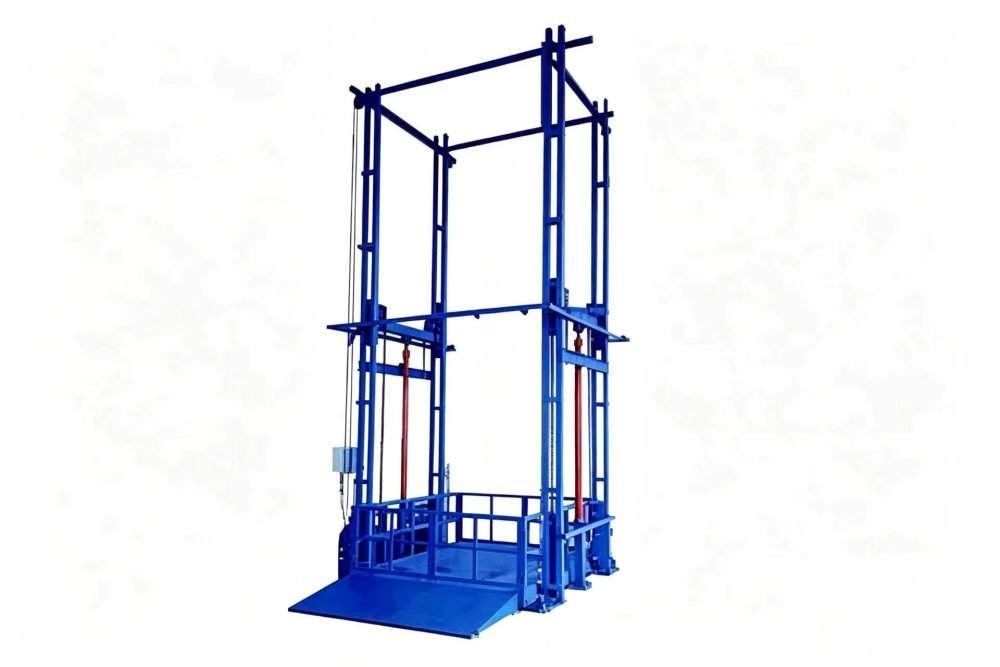
If excavating a traditional 1,000mm deep concrete pit is structurally impossible, manufacturers can design a low-profile platform configuration. This approach utilizes a shallow pit of just 100mm to 150mm paired with a small access ramp at the ground landing, allowing smooth transitions for hand trucks and pallet jacks.
Why does a Class C loading rating increase manufacturing costs?
Class C configurations are engineered to withstand extreme structural shock and off-balance forces when heavy vehicles, like forklifts, drive into the elevator cabin. This requires heavier guide rail assemblies, reinforced car frames, and thicker platform steel to handle intense localized stress, which naturally increases the manufacturing budget.
Conclusion: Securing Your Enterprise Logistics Infrastructure
Sourcing the right industrial material lift requires balancing technical specifications, building limitations, and financial forecasting. By analyzing every aspect of your industrial freight elevator cost—from the base drive mechanisms and structural load classes to pit construction and long-term maintenance needs—you ensure your warehouse remains efficient, compliant, and safe for years to come.
Partnering with an experienced manufacturer that understands global safety codes and high-tensile material engineering is the most secure path to maximizing your return on investment.
For comprehensive structural engineering blueprints, personalized configuration advice, or detailed commercial export quotes, please contact our technical sales division.
Phone Contact: +86 18954171380
Email Support: [email protected]
 Korean
 English
 Arabic
 French
 Spanish
 German
 Russian