
As modern architectural designs shift toward multi-story layouts and elevated living spaces, maximizing vertical mobility and accessibility has become a priority for many homeowners. Whether you are transporting heavy groceries, luggage, home maintenance gear, or handling mobility challenges, traditional staircases can quickly turn into exhausting physical barriers. This is where installing a domestic freight or cargo elevator comes into play. However, before embarking on this home improvement journey, the primary question most homeowners ask revolves around the financial investment: what is the actual residential cargo lift cost?
The financial commitment required for a residential vertical lift is rarely a single, static figure. Instead, it is a variable expense shaped by technology, lifting capacity, structural modifications, and individual customization preferences. Understanding these moving pieces is essential to budgeting effectively and ensuring you receive a high-quality, durable system that matches your lifestyle. This comprehensive guide breaks down every facet of the residential cargo lift cost, exploring standard price ranges, critical cost drivers, unexpected installation overheads, and practical strategies to maximize your return on investment.
Understanding the Baseline Investment: Standard Price Ranges
To establish a clear baseline, we must categorize residential cargo lifts into different tiers based on their complexity, materials, and construction styles. For most standard residential applications, you can expect the overall residential cargo lift cost to range anywhere from $4,000 to over $25,000, including equipment and professional installation.
Below is a breakdown of how these costs are generally distributed across different product categories:
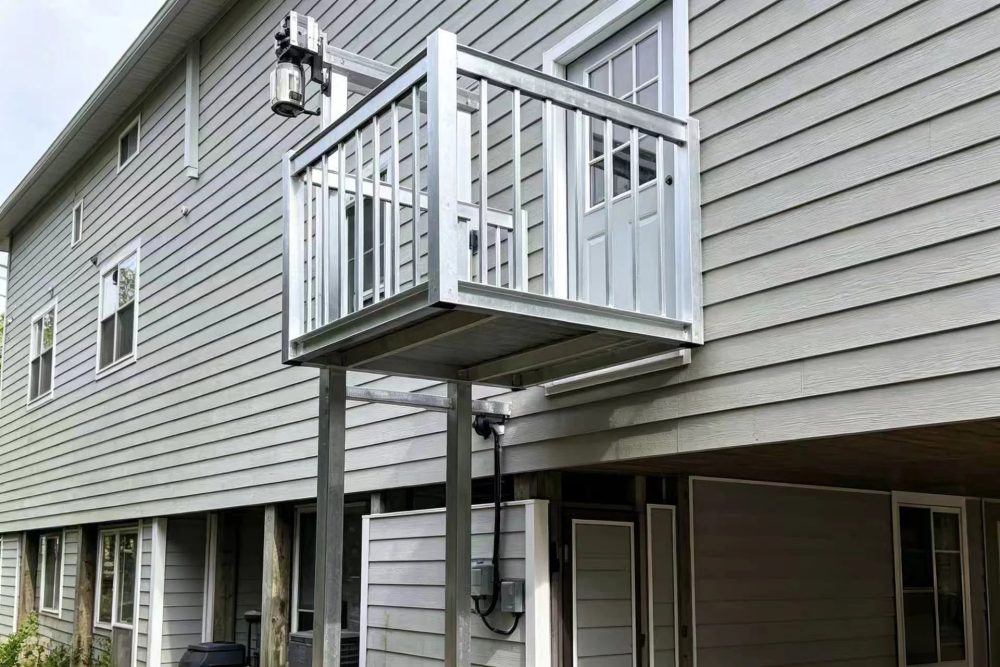
1. Basic Outdoor Cargo Platforms ($3,500 – $7,500)
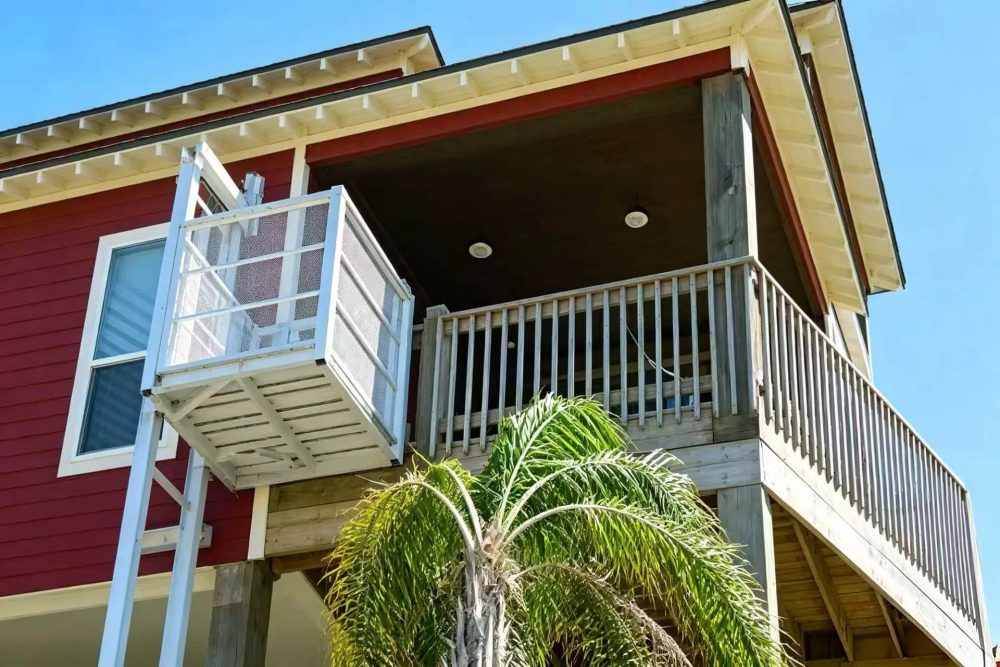
These are minimalist, open-air platform lifts frequently installed alongside stilt homes, coastal properties, or external decks. They are engineered to move items like groceries, firewood, or trash bins from ground level to an elevated porch. Because they do not require an enclosed shaft or extensive interior remodeling, their equipment prices are low, keeping the initial residential cargo lift cost highly manageable for budget-conscious homeowners.
2. Intermediate Interior Hydraulic or Traction Lifts ($8,000 – $16,000)
If you require an internal transport system to move heavy goods between floors inside your home, mid-tier cargo lifts are the standard choice. Utilizing a robust hydraulic mechanism or a mechanical traction chain, these units can handle heavier loads—often ranging from 500 to 1,000 lbs. They feature advanced safety controls, smooth start-and-stop transitions, and elegant control panels. The residential cargo lift cost for this category reflects the increased mechanical complexity and the need for precision alignment during indoor assembly.
3. Premium Enclosed Custom Freight Lifts ($18,000 – $30,000+)
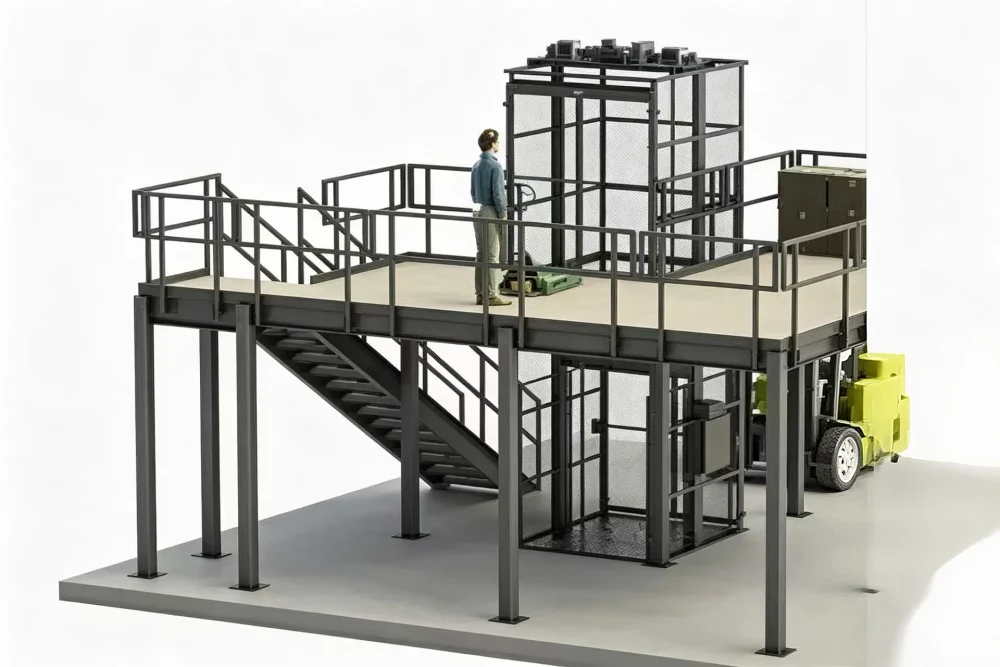
For multi-story luxury homes, smart residences, or situations requiring heavy industrial-grade home transport, premium enclosed cargo lifts are necessary. These systems operate within a fully built-out vertical shaftway (hoistway) and are equipped with automatic interlocking doors, premium stainless-steel finishes, and advanced smart-home integrations. Naturally, opting for these premium structural features pushes the overall residential cargo lift cost to the higher end of the spectrum, requiring a substantial upfront capital commitment.
Key Drivers of the Residential Cargo Lift Cost
When analyzing manufacturer quotes, it is evident that a generic formula does not apply to vertical lift pricing. Multiple variables interact to shape the final invoice. Let us analyze the primary drivers influencing the total residential cargo lift cost.
1. Mechanism and Drive System
The internal engineering powering your lift plays a significant role in determining its retail price.
Winch-Driven Systems: These are generally the most affordable options, relying on heavy-duty steel cables and an electric motor. While cost-effective, they tend to be noisier and require more frequent cable inspections.
Hydraulic Systems: Known for whisper-quiet operation and incredibly smooth movement, hydraulic lifts use a fluid-driven piston. They are highly reliable but carry a premium price tag and demand space for a small pump box.
Chain-Drive/Traction Systems: Excellent for heavy lifting across multiple floors, chain-driven systems offer incredible durability with minimal maintenance, balancing long-term reliability with moderate initial equipment costs.
2. Lifting Capacity and Platform Dimensions
Size and power are directly proportional to price. A compact lift designed to transport a 300-lb load of groceries will require a smaller motor, less steel framing, and simpler safety mechanisms than a heavy-duty platform rated for 1,000 lbs or more. If your operational needs require a wider platform or heavy weight capacity, expect the underlying residential cargo lift cost to scale up to accommodate the reinforced structural beams and high-torque motors required for safe operation.
3. Number of Stops and Travel Height
A simple single-story lift moving from a ground floor garage to a first-floor kitchen requires only two landing stations and a limited amount of structural guide rails. However, if your home features three or four levels, the lift will require additional landing gates, intricate wiring harnesses, extended guide rails, and more complex electronic controllers to manage multiple floor selections. Every additional stop added to the layout directly amplifies the equipment and labor segments of your residential cargo lift cost.
4. Indoor vs. Outdoor Material Weatherproofing
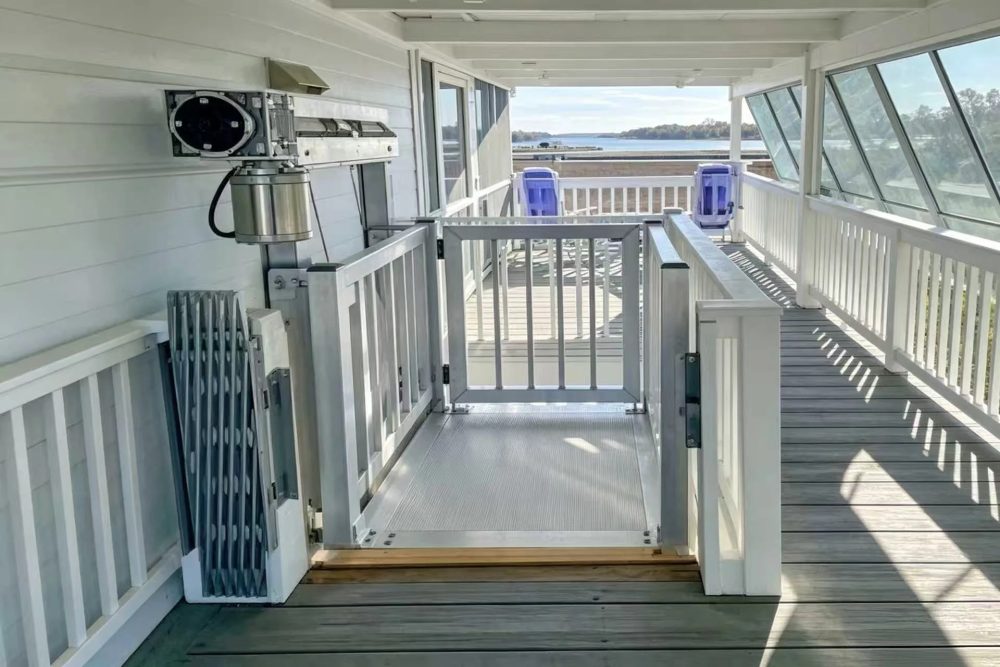
Where you install the lift heavily influences material selection. Outdoor lifts—especially those in coastal or high-humidity regions—must be constructed using galvanized steel or high-grade marine aluminum to prevent rust and corrosion. They also require weather-resistant electrical enclosures (NEMA rated) and waterproof motors. This specialized weatherproofing adds a noticeable premium to the initial residential cargo lift cost compared to standard interior models wrapped in controlled environments.
Financial Overview: Component-by-Component Cost Breakdown
To make these numbers actionable, let us review a structured financial overview. The table below illustrates how a typical mid-range residential cargo lift investment is allocated across various materials, construction steps, and labor requirements.
| Cost Component | Description | Estimated Price Range (USD) | Percentage of Total Budget |
| Lift Equipment & Core Machinery | The physical lift platform, motor, drive system, control panel, and basic wiring. | $4,500 – $11,000 | 45% – 55% |
| Structural Preparation & Carpentry | Cutting through floors, framing the hoistway, reinforcing support beams, or pouring concrete pads. | $1,500 – $5,000 | 15% – 25% |
| Professional Mechanical Installation | Certified technicians assembling guide rails, aligning the drive system, and tuning safety brakes. | $2,000 – $4,500 | 15% – 20% |
| Permits, Engineering Reviews & Testing | Local municipality building permits, structural engineering signs-offs, and initial safety certification. | $400 – $1,200 | 3% – 6% |
| Safety Features & Custom Add-ons | Enclosed cages, safety gates, remote controls, interlocks, or specialized weatherproofing coatings. | $600 – $2,500 | 5% – 10% |
Hidden and Long-Term Costs to Consider
A common mistake homeowners make when analyzing the residential cargo lift cost is focusing exclusively on the initial purchase price. To plan an accurate budget, you must factor in the surrounding expenses that accompany the lifecycle of a residential vertical lifting system.
Site Preparation and Structural Remodeling
Rarely can a cargo lift simply be bolted to an existing wall without any prior structural adjustments. For interior installations, carpenters must cut precisely through floor ceilings, frame out a uniform vertical path, and reinforce the floor joists to bear concentrated structural loads. For outdoor installations, a contractor may need to pour a stable, level concrete foundation pad to prevent the lift from shifting or settling over time. These site preparation fees can easily add a few thousand dollars to your total residential cargo lift cost if your home requires extensive structural modifications.
Local Permitting and Regulatory Compliance
Depending on your local municipal building codes, a residential cargo lift may require a dedicated building permit, electrical permit, and an official safety inspection before it can be commissioned for legal operation. Some regions enforce strict elevator compliance standards, necessitating a certified structural engineer to review and sign off on your architectural plans. These administrative and engineering fees can quietly expand your initial residential cargo lift cost.
Operational Energy Consumption and Routine Maintenance
While modern residential lifts are designed with energy-efficient motors that only consume electricity while in active motion, they will still contribute a small amount to your monthly utility bills. More importantly, routine preventative maintenance is vital to guarantee the safe, smooth operation of your lift. Cable inspections, hydraulic fluid top-offs, guide rail lubrication, and safety brake testing should ideally be performed once a year by a qualified professional. Factoring these minor annual service fees into your long-term calculations ensures that your true residential cargo lift cost remains manageable throughout its lifetime.
Strategic Ways to Optimize Your Cargo Lift Investment
While adding a vertical lift represents a substantial financial undertaking, there are several practical ways to manage your expenses without sacrificing safety or build quality.
Align Capacity with Actual Needs: Avoid over-specifying your system. If your primary goal is carrying 150 lbs of household supplies and luggage, do not pay an inflated residential cargo lift cost for an industrial-grade 1,500-lb capacity system. Assess your realistic needs and select a model tailored to those parameters.
Consolidate Structural Work: If you are building a new home or undertaking a major home renovation, integrate the cargo lift installation into the main architectural plans. It is significantly more economical to frame out a vertical lift shaft during the initial construction phase than it is to retroactively cut through floors and reroute plumbing or electrical wires later.
Work with Established, Direct-to-Consumer Manufacturers: Eliminating third-party distributors and middleman markups is one of the most effective ways to lower your residential cargo lift cost. By partnering directly with a specialized global manufacturer, you gain access to factory-direct pricing, custom engineering support, and reliable component warranties.
Frequently Asked Questions (FAQ)
1. Does installing a cargo lift increase my property value?
Yes, it frequently does. A well-installed, reliable cargo lift enhances the accessibility and utility of a multi-story home, making it highly attractive to a broader demographic of buyers, including older individuals or families seeking long-term accessibility. This value addition helps offset the initial residential cargo lift cost.
2. What is the distinction between a residential cargo lift and a home elevator?
The distinction lies primarily in design and regulatory classification. A home elevator is fully enclosed, designed exclusively for human passenger transport, and must adhere to complex residential elevator safety codes, making it expensive. A residential cargo lift features a more utilitarian, open or semi-enclosed design tailored for moving goods, luggage, and materials, resulting in a much more affordable residential cargo lift cost.
3. How long does a typical residential cargo lift installation take?
The physical assembly of the lift equipment usually takes between 1 to 3 days, depending on the number of floors. However, the total project timeline—including custom manufacturing, obtaining local building permits, and performing structural site modifications—can span anywhere from 3 to 6 weeks.
4. How often should a home cargo lift be serviced?
To ensure complete operational safety and extend the mechanical lifetime of your system, it is highly recommended to have your lift inspected and lubricated at least once a year by a professional technician. Routine care ensures your long-term residential cargo lift cost remains low by preventing major mechanical failures.
Secure Your Reliable Vertical Mobility Solution with Tebolift
Investing in a premium residential cargo lift streamlines your daily chores, enhances home accessibility, and adds long-term practical value to your property. By understanding the key factors driving the residential cargo lift cost, you can make a well-informed, strategic decision tailored precisely to your budget and structural needs.
에서 Tebolift, we specialize in engineering high-durability, smooth-operating, and cost-effective residential lifting solutions tailored to modern homes worldwide. Whether you need an outdoor deck platform or an advanced interior vertical transport system, our technical team is standing by to deliver factory-direct pricing and premium support.
Contact our material handling experts today to request a personalized, itemized quote:
Phone / WhatsApp: +86 18954171380
Email: [email protected]
 Korean
 English
 Arabic
 French
 Spanish
 German
 Russian