
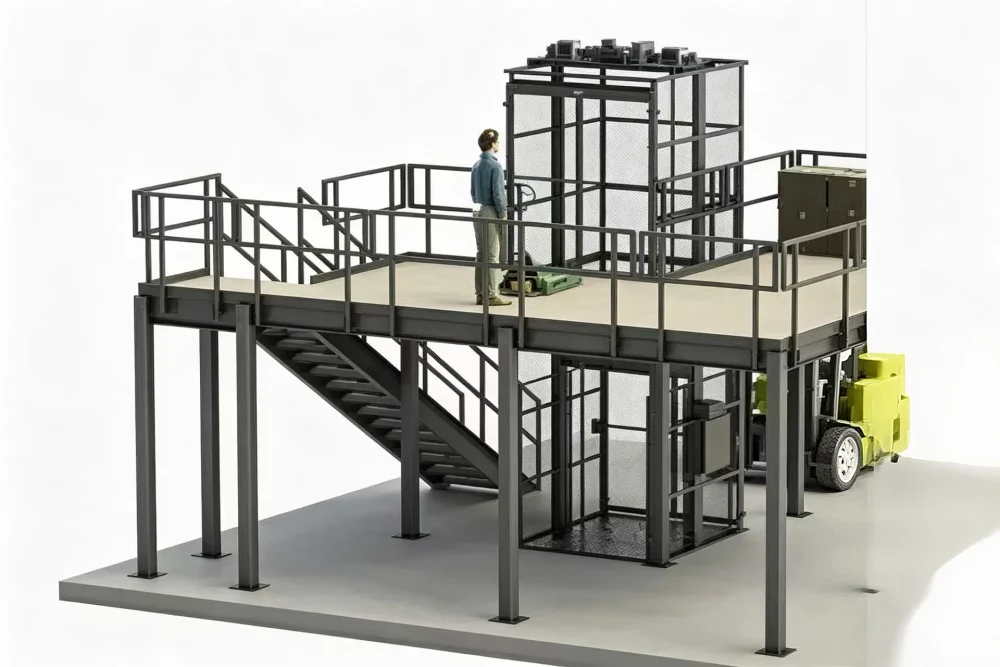
In modern logistics hubs, manufacturing plants, high-density distribution warehouses, and multi-level commercial complexes, efficient vertical freight movement is essential for maintaining smooth operational workflows. Moving heavy palletized raw materials, machinery assemblies, finished inventory, and bulky cargo between elevated mezzanines or building floors often creates severe logistical bottlenecks. While manual handling or relying solely on forklifts can introduce severe workplace safety hazards and slow down throughput, installing a dedicated 2 ton cargo lift provides a heavy-duty, reliable, and cost-effective solution for multi-level material transport.
Engineered specifically to handle heavy payloads up to 2,000 kg (4,400 lbs), a 2 ton cargo lift bridges height gaps between storage levels without requiring deep concrete elevator pits or expensive overhead machine rooms. Understanding the mechanical engineering, safety configurations, structural prerequisites, and practical applications of this equipment helps facility directors, logistics managers, and structural engineers select the optimal lifting solution for their facilities.
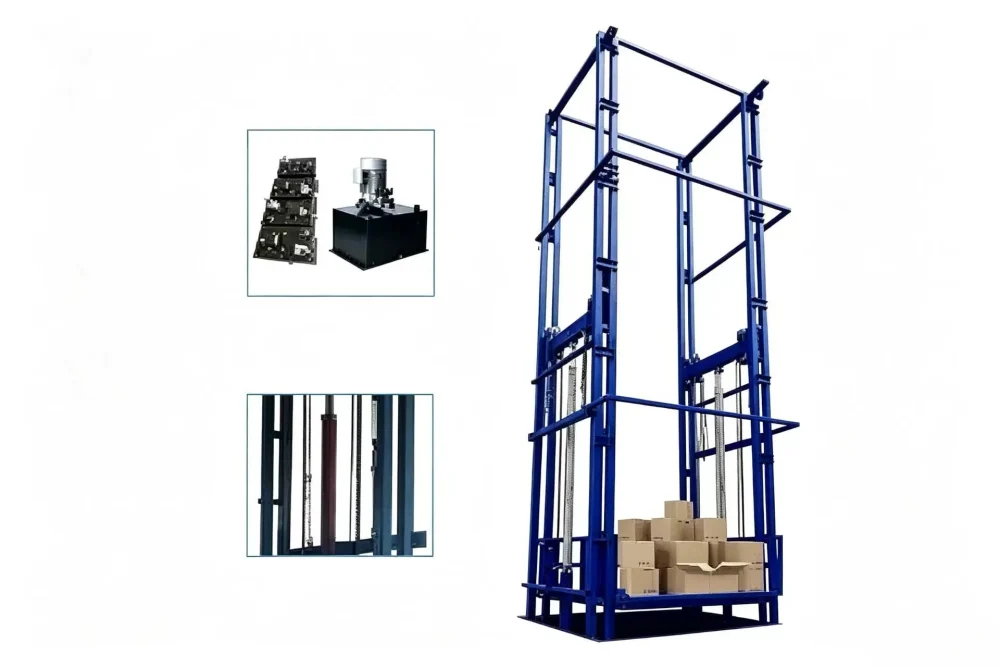
Understanding the Engineering Principles of Heavy Freight Lifts
The primary structural architecture of a 2 ton cargo lift relies on high-strength hydraulic cylinder propulsion paired with precision-engineered vertical guide rail channels (such as H-beam steel or thick structural channel posts). As the hydraulic pump unit delivers pressurized oil into heavy-duty lifting rams, the drive force is transmitted smoothly via high-tensile leaf chains or heavy steel wire ropes, elevating the cargo platform to upper landing levels.
Guiding the platform along its vertical travel path are machined steel rollers fitted with self-lubricating wear pads that ride inside structural guide columns. This rigid rail alignment prevents lateral platform tilt, sway, or vibration during loading and unloading operations. Because a 2 ton cargo lift is engineered exclusively for freight, its structural frame absorbs heavy forklift roll-on impact forces easily while maintaining strict platform leveling at landing thresholds.
Essential Structural Components
Reinforced Steel Carriage Platform: Constructed with heavy channel steel sub-frames and anti-slip diamond plate floor decks to withstand 2,000 kg point loads.
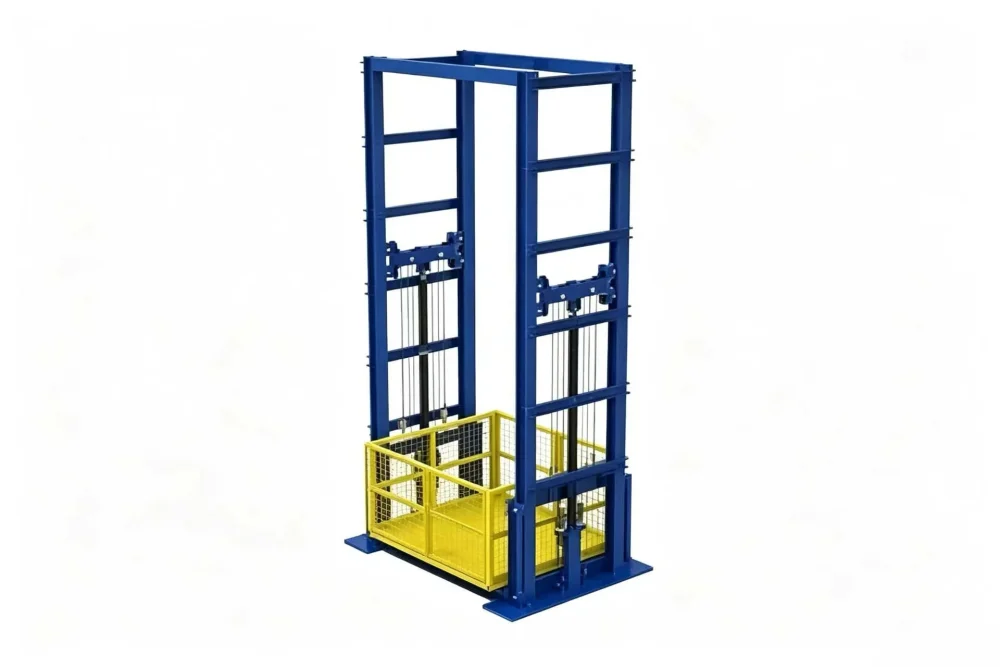
Heavy-Duty Guide Rail Columns: Dual or quad structural steel posts anchored to concrete base slabs and floor joists to absorb cantilever and lateral leverage.
High-Tensile Leaf Chain Drive: Industrial-grade leaf chains designed with safety factors exceeding certified weight limits to prevent elongation or fatigue.
Hydraulic Power Unit: Equipped with an industrial electric motor, high-pressure pump, oil reservoir, and thermal protection relays for continuous heavy cycles.
Key Advantages of Deploying a 2 Ton Freight Lift
1. High Load Capacity for Palletized and Bulk Freight
The 2,000 kg weight rating makes a 2 ton cargo lift exceptionally versatile across industrial environments. It easily accommodates fully loaded pallet jacks, heavy machinery crates, industrial liquid drums, and large material carts, eliminating the need to break down consolidated loads before vertical transfer.
2. Pitless and Low-Civil-Cost Installation
Unlike traditional commercial traction freight elevators that demand deep subterranean pits (often 1.5 to 2.0 meters deep) and reinforced masonry hoistways, a 2 ton cargo lift requires only a shallow base pit (typically 150 mm to 250 mm) or can sit directly on a concrete floor using a shallow entry ramp, dramatically reducing civil excavation expenses.
3. Exceptional Mechanical Reliability and Low Maintenance
Hydraulic guide rail systems operate with fewer moving mechanical parts than traditional traction cable elevators. Because hydraulic fluid continuously lubricates internal cylinder seals and drive assemblies during operation, a 2 ton cargo lift experiences minimal mechanical friction, resulting in lower wear rates and reduced long-term maintenance overhead.
4. Flexible Indoor and Outdoor Architectural Integration
Whether positioned inside a warehouse through floor cutouts, aligned alongside an interior mezzanine floor, or installed against an external building wall serving outdoor loading docks, a 2 ton cargo lift adapts easily to existing architectural floor plans.
Technical Comparison of Heavy Cargo Lift Drive Technologies
Selecting the ideal cargo lift configuration requires evaluating lifting height, cycle frequency, platform dimensions, and available building layout. The table below compares common heavy freight lift configurations.
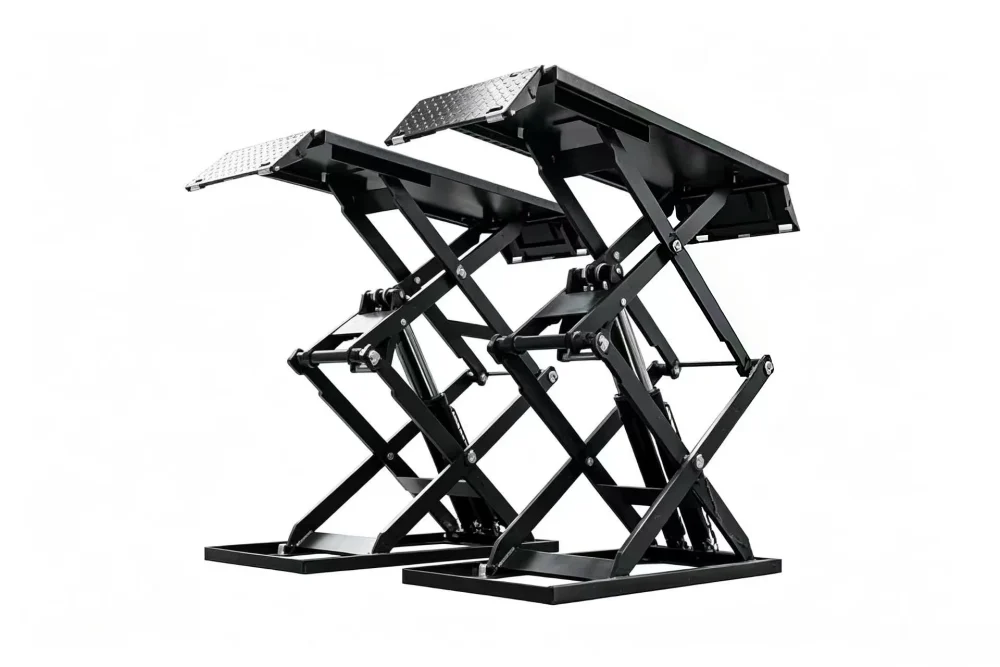
| Technical Parameter | Hydraulic Guide Rail Cargo Lift | Scissors Freight Lift | Electric Wire-Rope Goods Lift |
| Typical Payload Rating | 2,000 kg (2 Ton Standard) | 2,000 kg – 5,000 kg | 1,000 kg – 2,000 kg |
| Maximum Travel Height | Up to 20 Meters | Up to 6 Meters | Up to 12 Meters |
| Footprint Requirement | Compact (Side-Mounted Rails) | Wide Base Area Under Platform | Moderate Structural Frame |
| Pit Depth Requirement | 150 mm – 200 mm (or Ramp) | 300 mm – 500 mm (Deeper Pit) | 200 mm – 300 mm |
| Duty Cycle Capability | High (Continuous Industrial) | Moderate (Intermittent Loading) | Moderate to High |
| Ideal Facility Placement | Multi-Story Warehouses & Factories | Low-Rise Mezzanines & Docks | Medium-Height Commercial Stores |
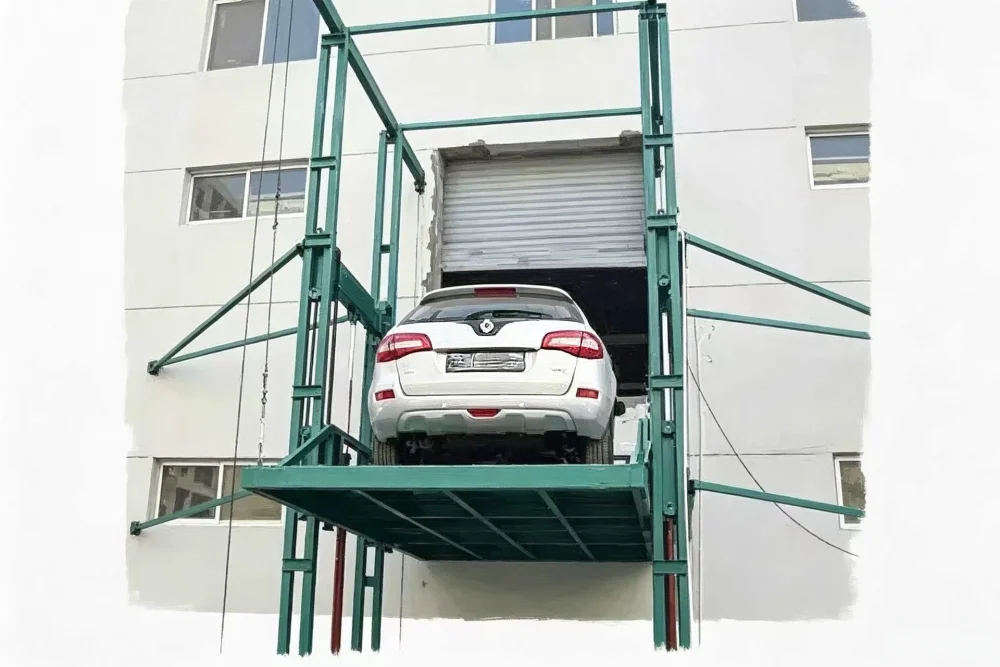
Technical Prerequisites Before Site Installation
To ensure long-term structural integrity and safe operation, plant managers and contractors must evaluate essential site prerequisites prior to installing a 2 ton cargo lift:
Concrete Base Slab Specifications: The foundation pad must consist of level, reinforced concrete with a minimum thickness of 200 mm and appropriate compressive strength (3,000+ PSI) to bear combined platform weight, hydraulic fluid, and 2,000 kg payloads.
Structural Anchor Wall Support: Guide rail support posts must be braced directly against solid concrete walls, brick masonry, or heavy structural steel columns to absorb lateral forces during platform transit.
Three-Phase Electrical Infrastructure: Industrial hydraulic motors require stable three-phase electrical power (such as 380V, 415V, or 480V) to deliver consistent hydraulic pressure without motor overheating or voltage drops.
Shaft Clearance and Landing Enclosures: Ensure the vertical travel shaft is completely clear of overhead pipes, ductwork, or crane tracks, and install interlocked safety gates at each landing level.
Advanced Safety Standards and Protection Systems
Workplace safety is non-negotiable when handling multi-ton materials in industrial facilities. A modern 2 ton cargo lift incorporates redundant mechanical, electrical, and hydraulic safeguards to protect operators and inventory:
Hydraulic Burst-Protection Safety Valves: Installed directly onto hydraulic cylinder fluid ports, these safety valves instantly lock oil flow if a supply hose ruptures, freezing the platform in position.
Electromechanical Landing Gate Interlocks: Enclosure gates remain mechanically locked during platform movement and disengage only when the platform arrives and levels flush at a landing zone.
Anti-Fall Safety Catch Mechanisms: Mechanical safety wedges or ratchet pawls automatically engage vertical steel guide columns if a lifting chain loses tension, preventing free-fall scenarios.
Overload Pressure Switch Protection: Sensor switches detect platform weight exceeding the certified 2,000 kg capacity, sounding an alarm chime and disabling upward travel until excess cargo is removed.
Emergency Stop and Manual Lowering: Prominent red emergency stop buttons are present on all landing control panels, while manual pressure release valves allow operators to lower the platform safely during power failures.
Real-World Application Scenarios in Industrial Facilities
The structural flexibility and heavy payload capacity of a 2 ton cargo lift make it valuable across numerous industrial sectors:
1. High-Density Distribution Warehouses
Fulfillment hubs utilize vertical freight lifts to move heavy pallet loads between ground floor receiving bays and elevated mezzanine storage racks, maximizing cubic storage volume without expanding building footprints.
2. Automotive Manufacturing and Assembly Plants
Automotive plants transfer heavy engine blocks, stamping dies, chassis parts, and wheel inventories between multi-level processing floors smoothly using a 2 ton cargo lift.
3. Commercial Shopping Malls and Retail Superstores
Large retail complexes transport bulk palletized consumer goods from underground loading docks up to main retail sales floors and stockroom storage areas efficiently.
4. Chemical and Food Processing Facilities
Stainless steel or galvanized versions of a 2 ton cargo lift fitted with washdown-rated drive units safely handle heavy liquid drums, raw ingredients, and packaged goods in hygienic processing environments.
Recommended Maintenance Protocols for Long Equipment Lifespan
Systematic preventative maintenance ensures that your 2 ton cargo lift operates smoothly, quietly, and safely for decades:
Weekly Visual and Functional Checks: Inspect landing door interlocks, test emergency stop switches, check for hydraulic fluid leaks, and clear debris from guide rail channels.
Monthly Mechanical Lubrication: Apply high-grade grease to guide rail channels, leaf chain sprockets, guide rollers, and mechanical door latch hinges.
Quarterly Hydraulic and Electrical Servicing: Inspect hydraulic oil levels and clarity, check hose fittings for wear, verify lifting chain tension balance, and inspect electrical relay connections.
Annual Comprehensive Safety Audits: Certified technicians should conduct full payload capacity tests, check anchor bolt torque settings, and audit mechanical anti-fall safety brake engagement.
Frequently Asked Questions (FAQ)
Q1: Is a 2 ton cargo lift allowed to carry passengers alongside goods?
No, standard industrial cargo lifts are certified strictly for material and freight transport. Control panels are located externally on landing walls to prevent personnel from riding inside the platform unless specifically manufactured and certified under local passenger codes.
Q2: What happens if building electrical power cuts out while cargo is raised?
All modern hydraulic systems include a manual emergency lowering valve on the hydraulic pump unit. In a power outage, authorized facility personnel can manually release hydraulic pressure to lower the platform smoothly to ground level.
Q3: Can a 2 ton cargo lift be installed outdoors against an exterior wall?
Yes, outdoor models are engineered with weather-resistant finishes, including hot-dip galvanizing, IP65 waterproof control boxes, sealed motor covers, and stainless steel hardware designed to withstand rain, snow, and extreme temperatures.
Q4: How long does typical installation take for a 2 ton cargo lift?
On-site mechanical and electrical installation for a standard two-stop or three-stop unit typically takes between 3 to 5 working days for experienced installation technicians.
Conclusion and Technical Support
For facility directors, warehouse managers, and industrial engineers seeking an efficient, space-saving, and heavy-duty material handling solution, a 2 ton cargo lift offers an unbeatable combination of structural strength and operational safety. By utilizing vertical guide rail structures and hydraulic lifting power, these platforms streamline daily spatial logistics, protect workplace safety, and maximize facility productivity.
For custom spatial layout planning, structural load consultation, or direct factory pricing on a custom 2 ton cargo lift, contact our technical engineering team today:
Phone / WhatsApp:+86 189 5417 1380
Email:[email protected]
 English
 Arabic
 French
 Korean
 Spanish
 German
 Russian