
In modern manufacturing, warehousing, and logistics, maximizing floor space while ensuring the seamless transit of goods across multiple levels is a primary operational objective. As facilities expand vertically to counteract rising real estate costs, traditional material handling methods like forklifts or manual transport often fall short in terms of safety, efficiency, and throughput. This is where the implementation of an industrial vertical platform lift becomes a game-changing asset for industrial enterprises.
Designed to transfer heavy loads, pallets, machinery, and goods between mezzanines, balconies, basements, and multiple stories, these specialized lifting systems offer a robust alternative to conventional freight elevators. In this comprehensive guide, we will delve into the mechanics, benefits, applications, and critical selection criteria for choosing the right industrial vertical platform lift to transform your facility’s intra-logistics.
Understanding the Mechanics and Technology
At its core, an industrial vertical platform lift—frequently referred to as a vertical reciprocating conveyor (VRC)—is engineered purely for material transport. Unlike passenger elevators, which are subject to stringent and costly rider-specific regulations, these platforms are optimized for moving heavy freight safely and reliably.
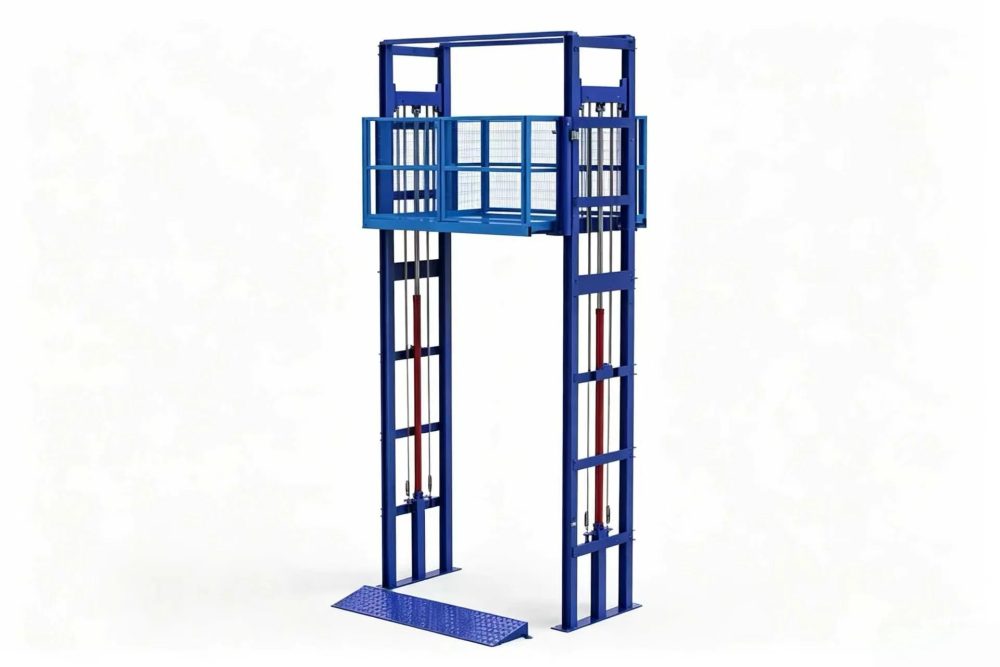
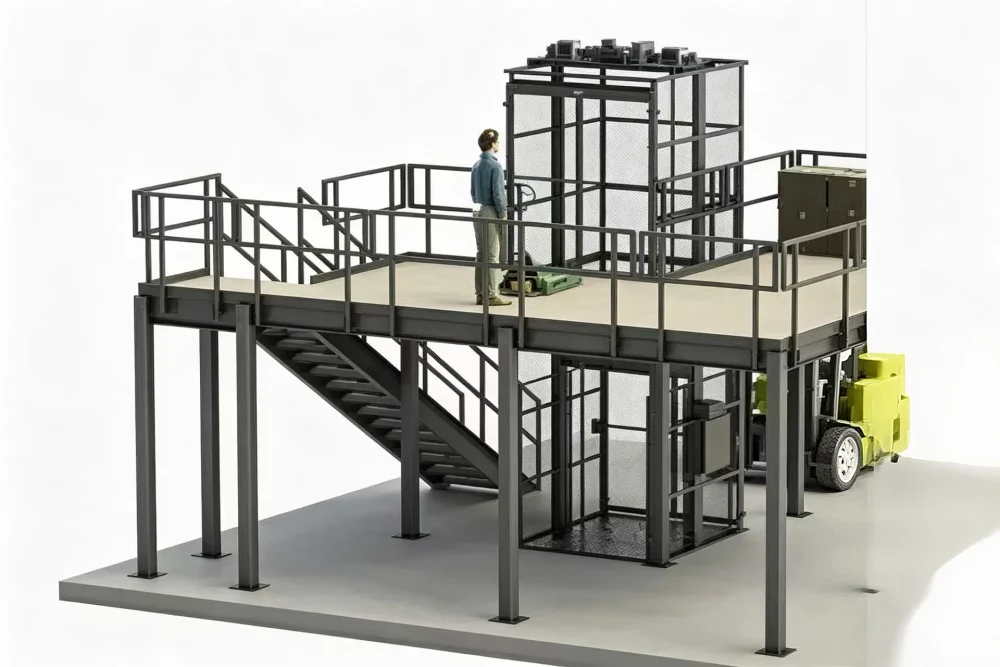
The structural architecture typically consists of a steel guide column framework, a mechanical or hydraulic lifting mechanism, and a carriage platform tailored to the specific dimensions of the cargo. Hydraulic models utilize heavy-duty cylinders and fluid pressure to push or pull the carriage up, making them exceptionally well-suited for two- to three-story applications requiring massive weight capacities. Mechanical models, on the other hand, employ electric motors, drive chains, or steel cables, offering high-speed performance and extended travel heights that span multiple levels. By integrating a dedicated material handling lift into your workflow, you eliminate the bottlenecks associated with moving bulky materials across vertical planes.
Key Operational Benefits for Industrial Facilities
Investing in an industrial vertical platform lift provides a multitude of operational advantages that directly impact a facility’s bottom line. Here are the primary reasons why modern operations are transitioning away from forklifts and standard elevators in favor of dedicated material lifts.
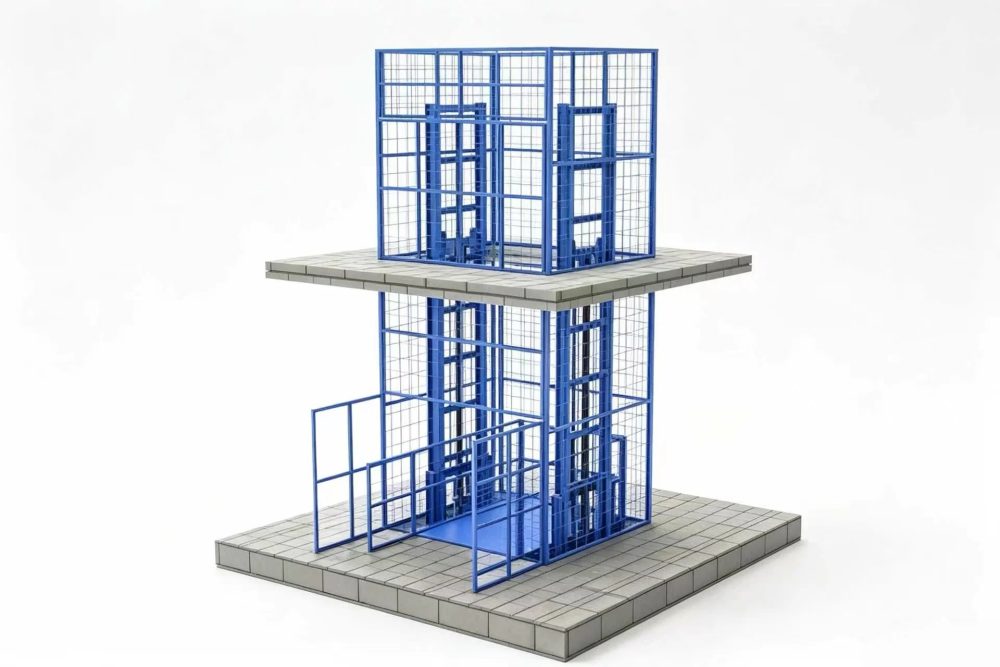
Enhanced Safety Standards: Moving heavy pallets across different floor levels using forklifts poses significant workplace hazards, including tip-overs, dropped loads, and collisions. An industrial vertical platform lift operates within a completely enclosed, dedicated shaft or structural footprint. Equipped with advanced safety features such as safety enclosures, interlocking gates, emergency stop buttons, and slack-chain sensors, these lifts minimize human error and drastically reduce the risk of industrial accidents.
Cost-Effectiveness and High ROI: Compared to traditional passenger or freight elevators, installing a freight platform lift is remarkably cost-effective. Because they are classified as material conveyors rather than rider elevators, the initial procurement, installation, and ongoing maintenance costs are substantially lower. Furthermore, they do not require a reinforced concrete elevator shaft or a separate overhead machine room, significantly lowering civil construction expenses.
Maximization of Vertical Space: When a facility incorporates an efficient material handling system, it unlocks the full potential of overhead space. Mezzanines and elevated storage platforms can be fully utilized without worrying about how materials will be moved up or down. This enables warehouses to double or triple their usable square footage within the same physical footprint.
Tailored Customization: Every factory floor and warehouse layout is unique. A premier industrial vertical platform lift can be customized with varied platform sizes, weight capacities ranging from 500 kg to over 10,000 kg, specific entry/exit configurations (same side, through-carriage, or 90-degree layouts), and specialized finishes to withstand corrosive or cleanroom environments.
Technical Specifications Overview
To help procurement managers and plant engineers understand the capabilities of these systems, the following table outlines the typical technical parameters available for a standard vs. a heavy-duty industrial vertical platform lift.
| Parameter | Standard Configuration | Heavy-Duty / Custom Configuration |
| Load Capacity | 500 kg – 2,000 kg | 2,000 kg – 15,000+ kg |
| Lifting Height | 2 meters – 12 meters | Up to 30+ meters |
| Drive Type | Hydraulic (Direct/Chain-assisted) | Mechanical (Winch/Gearbox/Chain) |
| Platform Dimensions | Custom (e.g., 1500mm x 1500mm) | Large Scale (e.g., 4000mm x 6000mm) |
| Travel Speed | 4 – 6 meters per minute | Up to 15 meters per minute |
| Control Systems | PLC Controlled / Push Button | Integrated Warehouse Management System (WMS) |
| Safety Enclosures | Expanded Metal Mesh Panels | Full Sheet Metal / Fire-Rated Doors |
Primary Applications Across Industries
The versatility of this equipment makes it indispensable across a diverse spectrum of sectors.
In automotive manufacturing, these systems are deployed to transport heavy components, chassis parts, and tooling dies between assembly lines and overhead storage decks. The precision leveling of a modern material lift ensures that delicate electronic components or heavy engine blocks are transferred without jarring vibrations.
In warehousing and e-commerce fulfillment centers, where speed and accuracy are paramount, integrating an industrial vertical platform lift allows for continuous replenishment of multi-tier mezzanine picking modules. Instead of keeping a dedicated forklift operator bound to a specific aisle to lift pallets, the platform lift independently handles the vertical transport, freeing up personnel and mobile equipment for horizontal distribution tasks.
Chemical and pharmaceutical processing plants also rely heavily on specialized lifting structures. For these environments, an industrial vertical platform lift can be manufactured using high-grade stainless steel and fitted with explosion-proof motors and control panels to adhere to strict safety and hygiene compliance standards.
Critical Selection Criteria: Choosing the Right System
Selecting the ideal industrial vertical platform lift requires a thorough analysis of your operational demands and structural constraints. Purchasing a system without evaluating these parameters can lead to operational inefficiencies or premature equipment wear.
First, determine the maximum weight capacity required. It is always advisable to select an industrial vertical platform lift with a load capacity that exceeds your heaviest anticipated cargo by at least 20% to account for future operational scaling and dynamic loading impacts.
Second, evaluate the physical characteristics of the load. The size, shape, and stability of the items will dictate the platform dimensions and the type of safety enclosures required. For instance, if you are moving rolling carts, the machinery should feature roll-stops or automated gates on the platform to prevent cargo movement during transit.
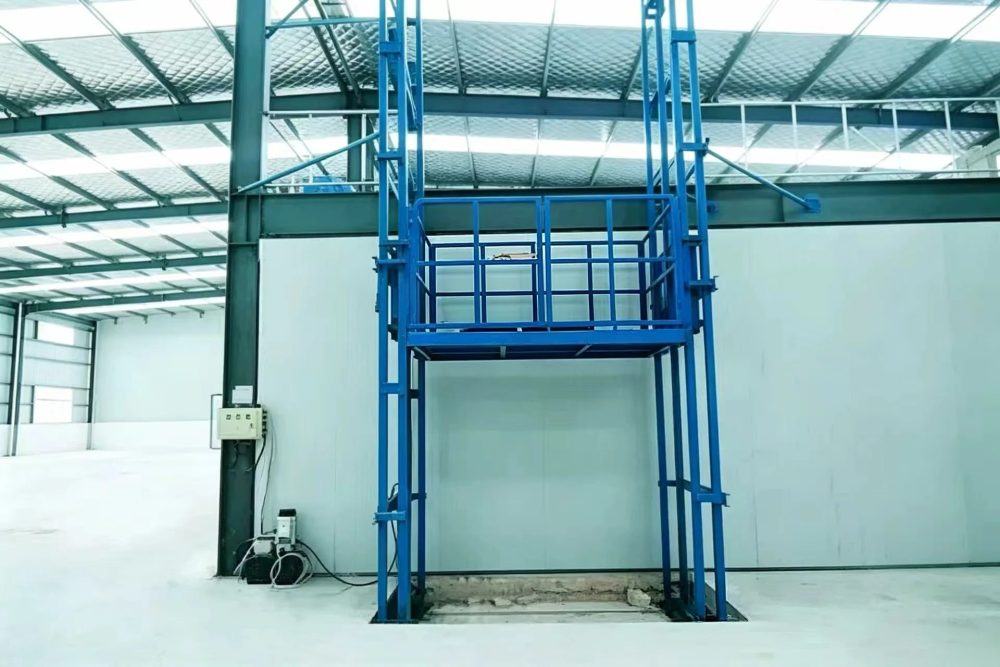
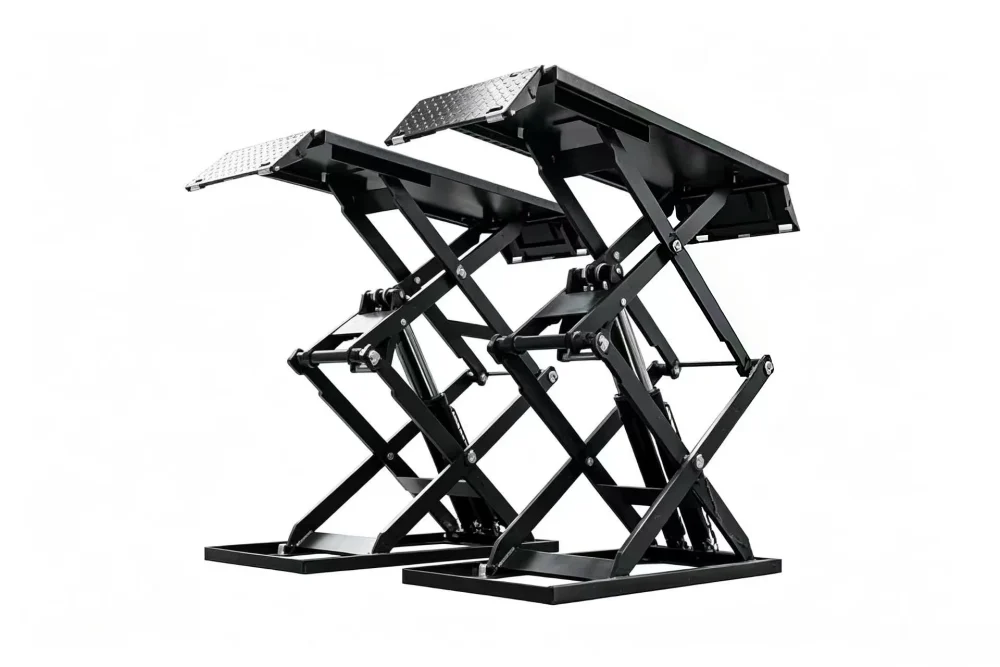
Third, assess the architectural constraints of your building. Consider the floor-to-floor travel height, the available overhead clearance on the top floor, and whether a pit can be excavated at the ground level. If a pit is not feasible due to underground utilities or lease restrictions, an alternative lifting design can be installed directly on the floor surface with a low-profile approach ramp.
Installation, Maintenance, and Compliance
To guarantee the longevity and safe operation of your industrial vertical platform lift, professional installation and routine preventative maintenance are non-negotiable.
During the installation phase, structural alignment is vital. If the guide columns are not perfectly plumb, it can lead to uneven wear on the rollers, chains, or hydraulic seals. Partnering with an experienced manufacturer ensures that the industrial vertical platform lift is anchored securely to the building structure and floor, providing a rigid, vibration-free operation.
Preventative maintenance protocols typically involve regular lubrication of drive chains or guide rollers, inspection of hydraulic fluid levels and hoses, and verification of all electrical safety interlocks. By establishing a quarterly checklist, facilities can enjoy decades of reliable service from their heavy-duty lift, preventing unexpected downtime that could halt production lines.
Frequently Asked Questions (FAQs)
Q1: Can an industrial vertical platform lift be used to transport passengers? A1: No, these systems are strictly engineered, manufactured, and rated for material and freight transport only. Personnel are prohibited from riding on the platform. This distinction allows the industrial vertical platform lift to be more cost-effective and have less complex regulatory burdens than passenger elevators.
Q2: What is the main difference between a hydraulic and a mechanical industrial vertical platform lift? A2: A hydraulic lift uses fluid power and cylinders, making it ideal for high-capacity, shorter-travel distances (typically up to two or three stories). A mechanical lift uses electric motors and chains or cables, which is preferred for multi-level applications, higher speeds, and greater travel heights.
Q3: Does an industrial vertical platform lift require a concrete pit? A3: While a shallow pit is recommended to allow the platform to sit flush with the factory floor for easy rolling access, it is not mandatory. An industrial vertical platform lift can be surface-mounted and paired with a short approach ramp to facilitate smooth loading and unloading.
Q4: How often should a platform lift be inspected? A4: It is recommended to perform routine safety inspections monthly, with comprehensive structural and mechanical maintenance conducted quarterly or bi-annually by qualified technicians, depending on the intensity of your operational cycles.
Q5: Is it possible to integrate a vertical lift with automated conveyor systems? A5: Yes, a modern lift can be fully integrated with roller or belt conveyors, automated guided vehicles (AGVs), and warehouse management systems (WMS) for complete automation of your vertical material flow.
Conclusion
In an era where operational efficiency and space optimization dictate industrial success, the addition of a high-performance industrial vertical platform lift is a strategic imperative. By removing the logistical hurdles of multi-level material transport, these systems enhance safety, lower operational costs, and boost overall productivity.
Whether you are designing a new fulfillment hub or upgrading an existing manufacturing plant, choosing a dependable, custom-engineered industrial vertical platform lift will future-proof your material handling infrastructure.
For expert consultation, customized engineering blueprints, and competitive pricing on a premium industrial vertical platform lift tailored precisely to your facility’s requirements, please reach out to our technical sales team.
Contact Us:
Phone: +86 18954171380
Email: [email protected]
 Arabic
 English
 French
 Korean
 Spanish
 German
 Russian