
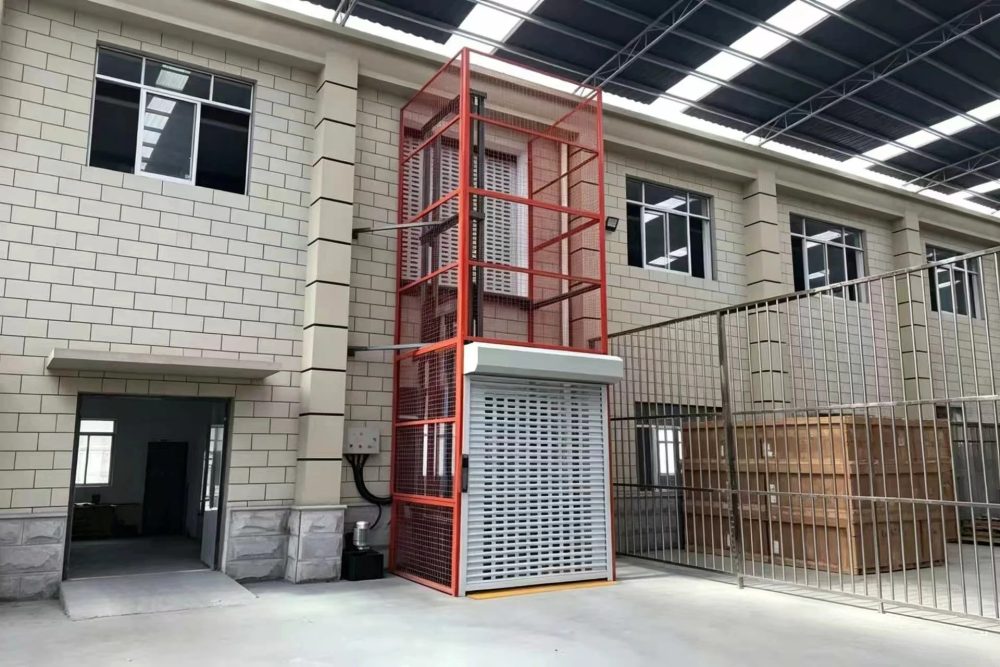
In modern industrial, commercial, and multi-level warehousing environments, moving heavy cargo efficiently between floors is essential for operational flow. While indoor lifting systems are common, structural constraints often limit internal expansions or retrofits. Expanding inside can require costly structural re-engineering and consume high-value storage floor space. To overcome these space constraints and architectural bottlenecks, businesses are increasingly looking outside the building footprint and investing in a heavy-duty outdoor freight elevator.
This specialized external lifting system offers a rugged, space-saving alternative to traditional indoor cargo lifts. By moving material transportation to the exterior wall of a building, facility managers can preserve their internal layout, streamline bulk material handling, and lower installation costs. This comprehensive guide covers the technical architecture, weatherproofing engineering, installation steps, and financial benefits of deploying a premium outdoor freight elevator.
Why Choose an External Material Lifting System?
When a business faces growing inventory demands, maximizing storage space becomes the main priority. Retrofitting an indoor lift often requires cutting through concrete floor slabs, moving internal utilities, and changing existing workflows. An outdoor freight elevator bypasses these complications by utilizing existing exterior vertical space.
Moving heavy cargo transport outside eliminates the noise, dust, and forklift traffic that often disrupts indoor operations. It creates a clear separation between manufacturing or administrative zones and bulk logistics areas. Additionally, for historical buildings or facilities with low roof clear heights, an outdoor freight elevator provides a practical way to add multi-level logistics support without altering structural walls.
Technical Configurations and Structural Parameters
Selecting the right system requires a clear understanding of load capacities, lifting mechanisms, and platform dimensions. Whether your application requires a hydraulic guide rail system or a robust traction-driven configuration, the equipment must align with your daily operational demands.
The following table outlines the standard engineering parameters for light-duty and heavy-duty industrial configurations:
| Engineering Parameter | Light-to-Medium Duty System | Heavy-Duty Industrial System |
| Lifting Capacity Range | 1,000 kg – 3,000 kg (2,200 – 6,600 lbs) | 4,000 kg – 10,000 kg+ (8,800 – 22,000 lbs+) |
| Maximum Travel Height | Up to 15 meters (approx. 3-4 floors) | Up to 30+ meters (approx. 6-8+ floors) |
| Lifting Speed | 4 – 6 meters per minute (Hydraulic) | 10 – 15+ meters per minute (Traction) |
| Platform Dimensions (W x L) | 2,000 mm x 2,500 mm | 3,500 mm x 6,000 mm (Customizable) |
| Drive Mechanism Options | Heavy-duty Hydraulic / Chain Drive | Geared or Gearless Traction Drive |
| Weatherproofing Grade | IP55 Control Enclosures / Galvanized | IP65 Stainless Steel / Marine Epoxy |
| Safety Braking Systems | Rupture Valves / Mechanical Safety Locks | Overspeed Governor / Progressive Safety Gear |
Weatherproofing Engineering for Demanding Climates
The defining difference between indoor and outdoor lifting equipment is its ability to handle continuous environmental exposure. Because an outdoor freight elevator is constantly exposed to rain, snow, extreme temperatures, and high winds, standard components are not enough. High-quality systems must incorporate advanced weatherproofing to prevent rust, electrical shorts, and mechanical failures.
1. Corrosion-Resistant Structural Materials
The steel framework of a premium outdoor freight elevator undergoes hot-dip galvanization or receives multiple layers of marine-grade epoxy coatings. This protective barrier stops moisture from reaching the underlying steel, preventing rust from forming in humid or coastal environments. Platform floors are typically constructed from heavy-gauge checkered steel plates, which resist wear and provide traction for workers during wet weather.
2. Sealed Electrical and Electronic Systems
Water entering electrical control panels can lead to unexpected downtime. To prevent this, the control cabinets of an outdoor freight elevator use IP65-rated weatherproof enclosures. These cabinets feature rubberized gaskets, sealed cable entry glands, and internal heating elements to manage condensation during rapid temperature changes. Limit switches, safety sensors, and push-button stations are completely sealed to ensure reliable performance under heavy downpours.
3. All-Weather Hydraulic and Mechanical Assemblies
For hydraulic configurations, selecting the correct fluid is crucial for year-round operation. An outdoor freight elevator operating in seasonal climates requires specialized anti-wear hydraulic oil with a high viscosity index. This fluid maintains its proper flow characteristics whether exposed to sub-zero winter temperatures or intense summer heat. Mechanical lift chains, hoist cables, and guide rollers are protected by specialized water-resistant greases that do not wash away under heavy rain.
Core Operational Advantages for Industrial Facilities
Integrating a high-capacity outdoor freight elevator into your facility’s logistics layout yields long-term operational and financial returns.
Optimized Interior Floor Space
By installing the lifting columns and platform outside the building walls, you free up valuable interior real estate. This extra floor space can be repurposed for extra pallet racking, specialized production machinery, or optimized assembly lines. Over time, the revenue generated from this reclaimed space often offsets the initial purchase price of the lift.
Enhanced Material Handling Efficiency
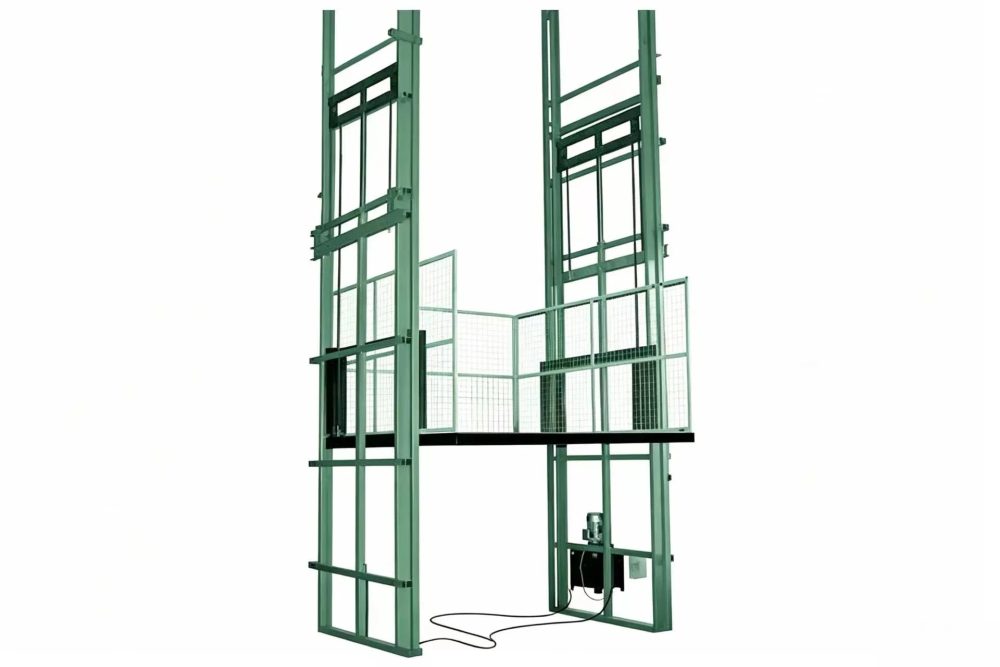
An outdoor freight elevator can be configured with dual-entry platforms, allowing cargo to be loaded from the building exterior and unloaded directly into upper-floor storage zones. This creates a smooth, straight-line material flow that reduces the time forklifts spend maneuvering inside narrow corridors. Faster loading cycles mean shorter turnaround times for delivery trucks and higher overall productivity.
Simplified Building Integration
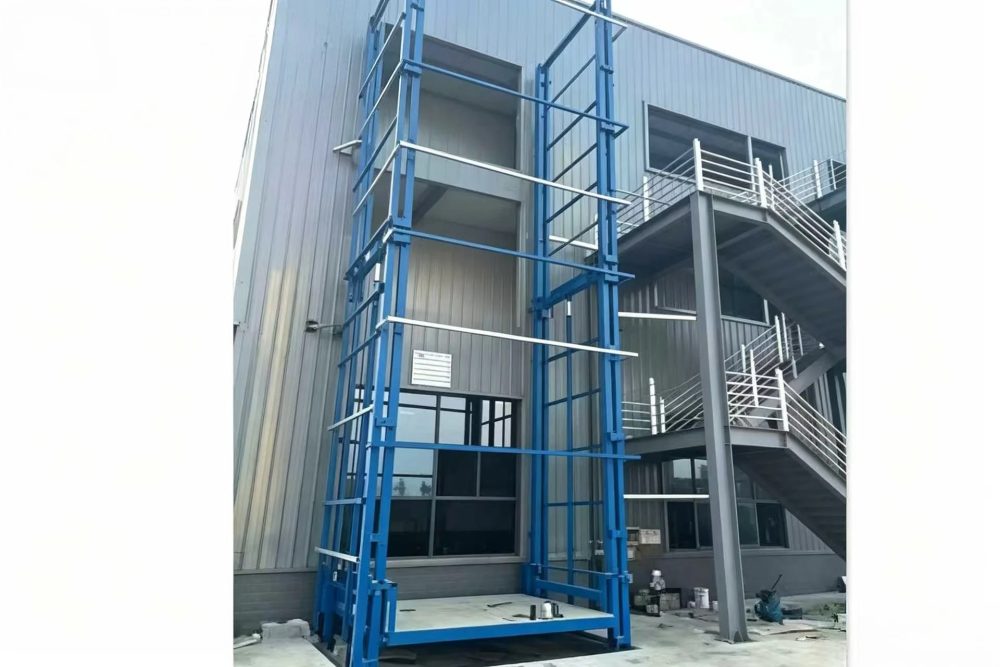
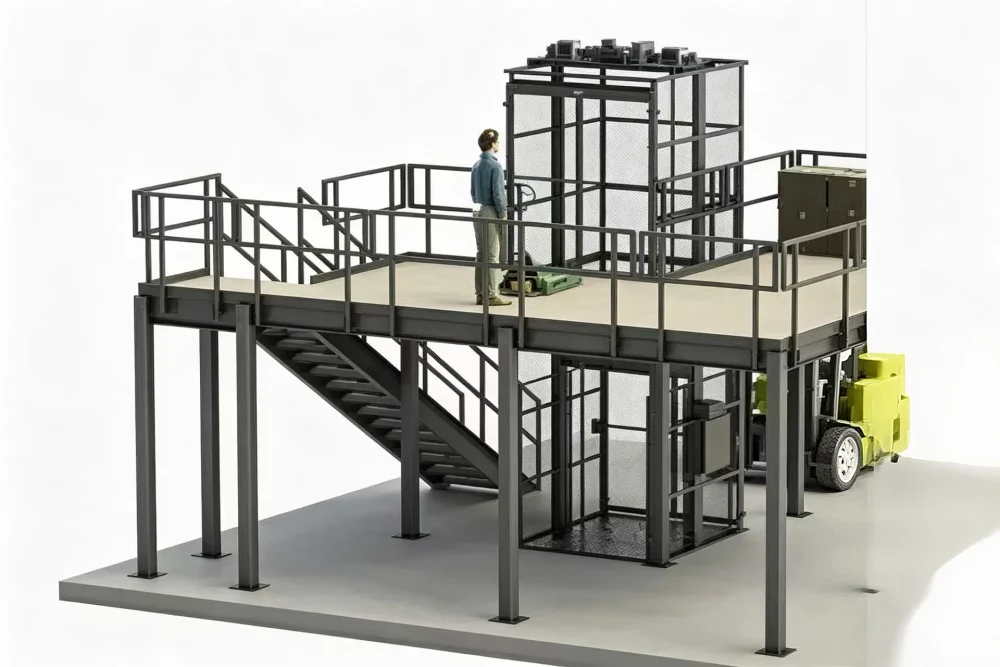
Unlike traditional elevators that require a heavy, load-bearing concrete shaft inside the building, an outdoor freight elevator can often be supported by a self-supporting steel guide rail structure anchored to the exterior wall. This reduces the amount of civil engineering work required, speeds up installation timelines, and minimizes disruptions to your daily operations during the construction phase.
Installation Workflows and Structural Foundation Requirements
A safe and dependable installation begins with proper civil engineering and foundation design. The ground slab must be engineered to handle the combined weight of the steel guide frame, the platform structure, and the maximum rated cargo load.
First, technicians pour a reinforced concrete pit or a level pad at the base of the exterior wall. This foundation must be completely level to prevent any alignment issues in the vertical guide rails. For an outdoor freight elevator, this base area should include a built-in drainage channel or a sump pump cutout to prevent water from pooling around the lower hydraulic cylinders or mechanical anchors.
Once the foundation cures, installers erect the heavy-gauge steel guide rails, anchoring them to the building’s structural beams at engineered intervals. After the vertical tracks are secured, the lift platform, hydraulic cylinders or traction cables, and electrical wiring are installed. A thorough commissioning phase follows, where technicians conduct multi-stage load tests, test safety limit switches, and verify emergency braking performance before certifying the system for daily use.
Advanced Safety Protocols and Operational Security
Operating a high-capacity material lift requires robust safety systems to protect both your personnel and your cargo. Industrial-grade outdoor freight elevator units use multi-layered mechanical and electronic safeguards to ensure secure operation under all conditions.
The primary mechanical protection is a fail-safe safety gear or rupture valve system. On hydraulic configurations, velocity fuses are integrated directly into the lift cylinders; if a hydraulic hose ruptures, the valve closes instantly, stopping the platform from dropping. For traction systems, an overspeed governor triggers mechanical safety wedges that lock onto the guide rails if the lift exceeds its rated speed.
Electronic safety interlocks are another critical feature. The outdoor freight elevator will not operate unless all enclosure gates are completely closed and locked. Emergency stop buttons are installed at every landing and inside the control cabinet, allowing operators to halt the system instantly if an unsafe condition arises. Additionally, automatic overload sensors prevent the lift from moving if the weight on the platform exceeds the rated capacity, protecting the structural components from strain.
Preventative Maintenance for External Lifting Systems
To guarantee long-term reliability and keep operational downtime to a minimum, facility managers should establish a strict preventative maintenance schedule. Because an outdoor freight elevator is exposed to wind-blown dust, rain, and temperature shifts, regular inspections are essential.
On a weekly basis, operators should clear the platform and pit area of any debris, leaves, or standing water that could block safety sensors or jam mechanical parts. Monthly inspections should focus on checking the lubrication levels of the main guide rails, hoist chains, and steel cables. Technicians should use high-viscosity, water-resistant grease to ensure smooth movement and protect moving parts from moisture.
Every six months, a qualified technician should inspect the electrical enclosures for signs of moisture entry or loose wiring connections. The hydraulic fluid should be checked for signs of contamination, such as cloudiness or water separation, and replaced if necessary. Regular testing of the emergency stop systems and mechanical safety locks ensures these critical components will function correctly when needed.
Frequently Asked Questions (FAQ)
Q1: Does an outdoor freight elevator require a fully enclosed concrete hoistway?
No, most industrial configurations do not require a traditional concrete shaft. They can be installed using a self-supporting steel mesh enclosure or left open within a fenced safety zone, depending on local building codes and facility safety requirements.
Q2: How does cold winter weather affect the operation of a hydraulic outdoor freight elevator?
Low temperatures can cause standard hydraulic fluid to thicken, which may slow down lifting speeds. To maintain consistent performance, these systems are filled with low-temperature or high-viscosity-index hydraulic oil, and internal reservoir heaters can be installed for extreme climates.
Q3: Can an outdoor freight elevator be customized to match specific building dimensions?
Yes, platform sizes, lift heights, door entry configurations (such as adjacent or opposite doors), and weight capacities can be fully customized to match your building’s architecture and material handling workflows.
Q4: What wind speeds can an external cargo lift safely handle?
Industrial external lifts are engineered to withstand high wind loads, typically rated for safe operation up to wind speeds of 60-72 km/h (gale-force winds), with structural anchor designs rated for even higher storm winds when parked at ground level.
Q5: Is a pit always required at the ground level installation site?
While a shallow concrete pit allows the platform to sit completely flush with the ground for easy pallet jack loading, it is not mandatory. If excavating a pit is not possible, the lift can be installed directly on a flat concrete pad and paired with a short access ramp.
Conclusion: Driving Logistics Forward
Investing in a premium outdoor freight elevator is a practical and strategic way to scale your material handling capabilities without expanding your building’s footprint. By utilizing vertical exterior space, you protect internal floor areas, improve employee ergonomics, and create a highly efficient transport link between multi-level storage zones. With advanced weatherproofing and robust safety engineering, these heavy-duty lifts provide reliable, year-round service in even the toughest industrial environments.
Looking for Premium External Lifting Solutions?
Maximize your facility’s operational layout and material handling capacity with our industrial-grade vertical transport systems. Contact our engineering and sales consultation team today for custom technical drawings, site evaluation guides, and factory-direct pricing models.
Email: [email protected]
Phone/WhatsApp: +86 18954171380
 Arabic
 English
 French
 Korean
 Spanish
 German
 Russian