
In today’s industrial landscape, optimizing vertical space has transitioned from a savvy business strategy to an absolute operational necessity. As commercial real estate costs continue to climb, supply chain managers, logistics facility directors, and plant engineers are moving away from horizontal expansion. Instead, they are embracing “vertical cubing”—the practice of utilizing the full height of a facility.
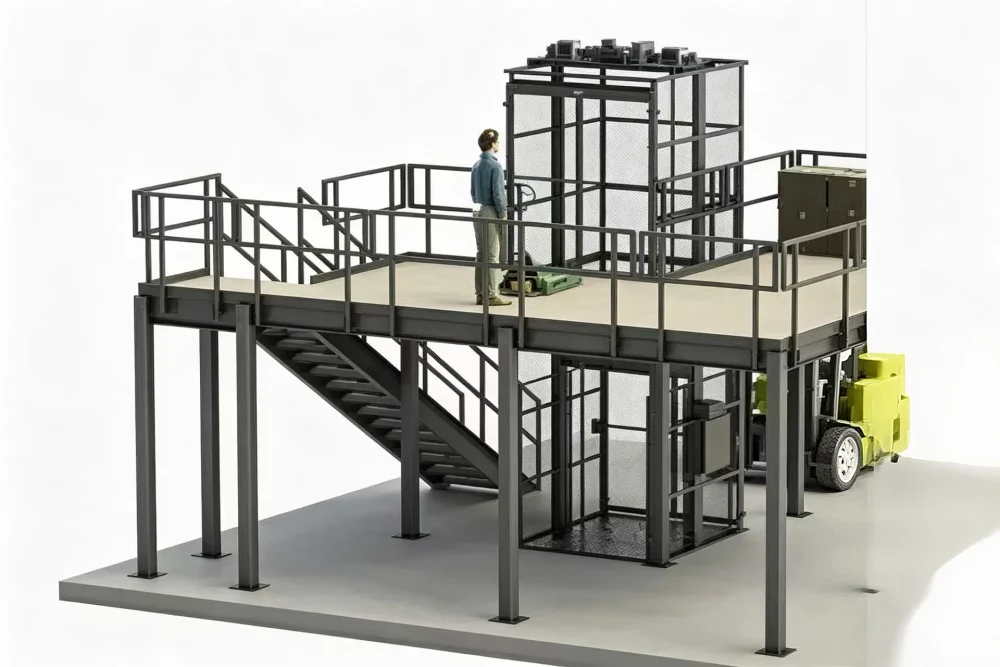
However, maximizing vertical space introduces a critical logistical bottleneck: how do you safely and efficiently move heavy pallets, bulky equipment, and industrial goods between different floor levels? While traditional forklifts are indispensable for short-range picking, relying on them for multi-tier space navigation or constant mezzanine shifting introduces severe bottlenecking, high battery costs, and elevated workplace safety risks. This is why a dedicated warehouse platform lift serves as a vital investment for modern industrial operations. As a robust, purpose-built material handling solution, it bridges the physical gap between distinct facility levels, transforming multi-tier spaces into highly fluid, synchronized production zones.
For shop owners looking to upgrade their service bays or logistics managers seeking a professional-grade vertical solution, understanding the technical nuances, safety mechanisms, and operational benefits of this equipment is essential. Choosing the right warehouse platform lift configuration allows companies to drastically minimize manual handling while enhancing daily throughput.
Core Classifications of Material Lifting Systems
Every facility features a distinct structural layout, workflow cadence, and load profile. To ensure optimal throughput, it is vital to match your operations with the correct mechanical architecture. When business owners look to install a warehouse platform lift, they generally choose from three primary engineering designs.
Hydraulic Scissor Lift Platforms
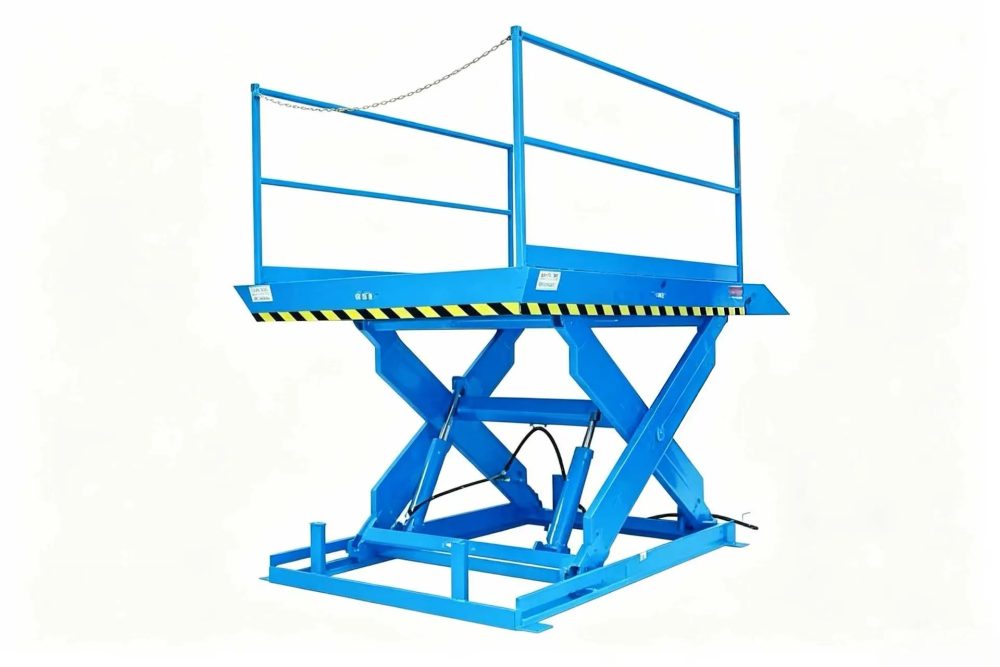
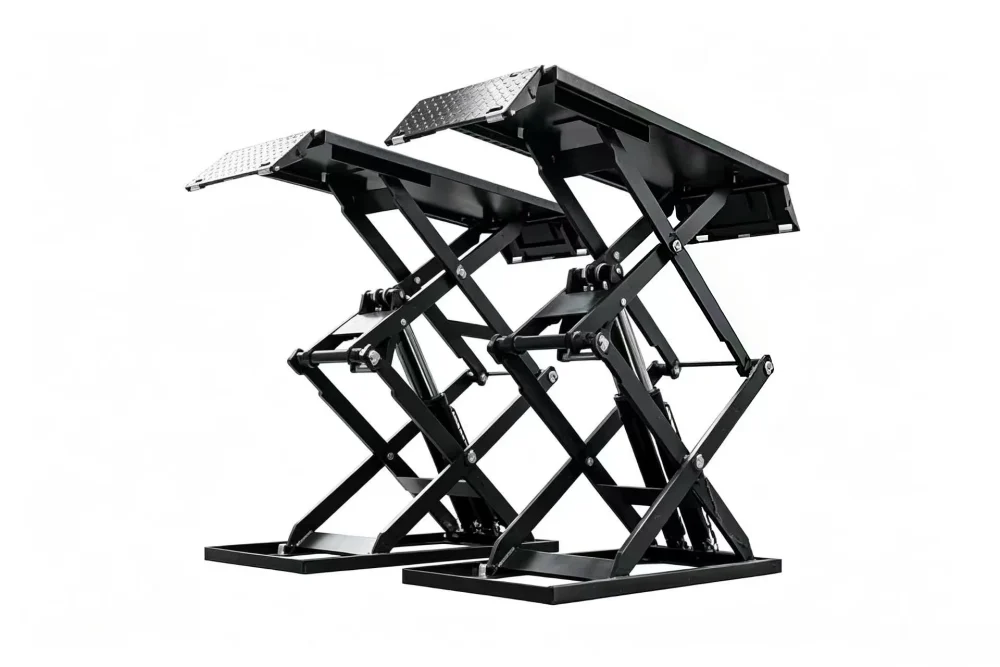
The hydraulic scissor lift platform is the workhorse of heavy industry. Utilizing a cross-configured steel framework that expands vertically via heavy-duty hydraulic cylinders, this style of equipment offers unmatched structural rigidity. Because the lifting force is distributed evenly across a broad base frame, it excels at handling exceptionally heavy, dense, or unevenly distributed loads. They are most commonly deployed for low-to-medium vertical travel distances, such as raising materials to a single intermediate mezzanine or serving as a variable work positioning table on a high-volume manufacturing line.
Guide Rail Cargo Lifts / VRCs
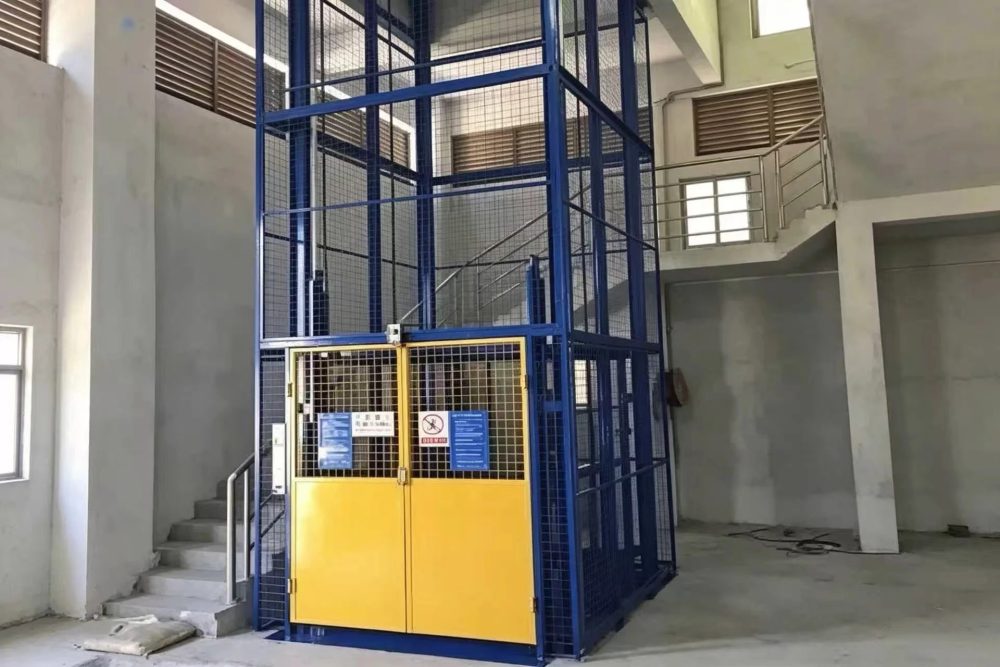
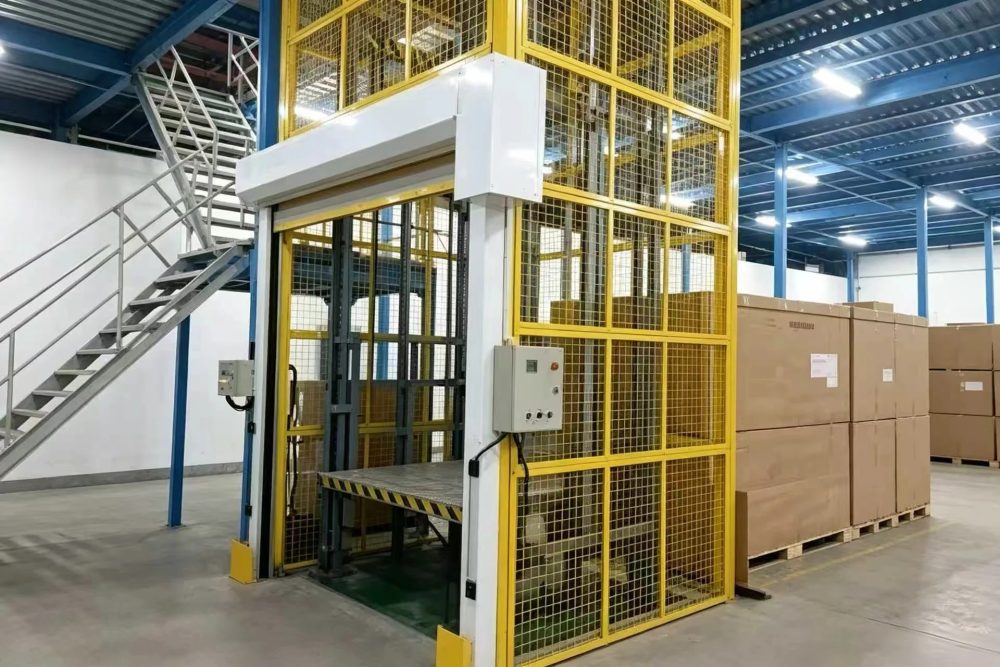
When a facility requires high-clearance vertical lifting or multi-floor access, the Vertical Reciprocating Conveyor (VRC)—commonly known as a guide rail cargo lift—becomes the ideal choice. Unlike a scissor mechanism, which requires a larger footprint directly beneath the platform, a guide rail system utilizes dual or quad vertical steel tracks anchored to the facility walls or structural beams. The platform is suspended and raised via heavy-duty leaf chains or hydraulic rams. If you need a warehouse platform lift for deep elevator shafts, narrow spaces, or vertical travel heights stretching up to 100 feet, this vertical framework is highly efficient.
Loading Dock Platform Lifts
The loading dock is the primary artery of any distribution hub. However, dealing with a varied fleet of delivery vehicles—ranging from low-profile step vans to massive high-riding ocean containers—creates significant height mismatch problems. A heavy-duty loading dock warehouse platform lift resolves this by acting as a variable-height bridge between the facility floor and the truck bed. These systems are engineered with rugged, weather-resistant components and high dynamic shock-absorption capabilities to handle the punishing impact of forklifts driving over them day in and day out.
Technical Comparison: Choosing Your Lift Architecture
Selecting the right equipment requires balancing performance metrics against your daily vehicle and material volume. Implementing an engineered warehouse platform lift requires an analysis of weights, heights, and cycle frequencies to prevent mechanical strain. The following matrix contrasts standard configurations utilized in modern industrial environments:
| Lift Architecture Type | Optimal Load Capacity | Max Travel Height | Best Suited For | Primary Structural Requirement |
| Hydraulic Scissor Lift | 2,000 to 20,000+ lbs | Up to 20 feet | Heavy pallet loads, manufacturing lines | Flat, high-PSI concrete pad (Pit optional) |
| Guide Rail Cargo Lift (VRC) | 1,000 to 10,000 lbs | Up to 100 feet | Multi-story mezzanines, narrow spaces | Vertical wall or structural steel anchoring |
| Loading Dock Lift | 4,000 to 15,000 lbs | Up to 5 feet | Outdoor unloading, varied truck fleets | Reinforced exterior concrete pit |
Structural & Installation Considerations: Pit-Mounted vs. Surface-Mounted
Before deploying a custom warehouse platform lift, facility managers must evaluate the architectural impact of the installation method. The choice between pit-mounting and surface-mounting depends heavily on your material handling equipment, operational workflow, and lease flexibility.
Pit-Mounted Installations
For operations relying heavily on manual pallet jacks, hand trucks, or small-wheeled dollies, a pit-mounted warehouse platform lift is highly recommended. This process involves excavating a shallow recess in the concrete floor so that when the lift platform is completely lowered, it sits perfectly flush with the surrounding floor.
The Benefit: Eliminates the need for approach ramps, allowing operators to roll heavy loads directly onto the lifting platform with minimal physical effort.
The Caveat: Requires structural concrete cutting and excavation, making it a permanent modification best suited for owner-occupied facilities or long-term industrial leases.
Surface-Mounted Installations
If excavation is impossible due to subterranean utilities, post-tension slabs, or strict landlord regulations, a surface-mounted warehouse platform lift is the go-to alternative. The entire structural base is anchored directly onto the existing concrete floor.
The Benefit: Minimal facility downtime, lower installation costs, and the flexibility to relocate the lifting system if the warehouse layout changes in the future.
The Caveat: Because the platform sits 5 to 10 inches above the ground when collapsed, a surface-installed warehouse platform lift requires a steel approach ramp for pallet jack entry, which expands the overall footprint of the lifting station.
Safety Engineering: Non-Negotiable Industrial Standards
Lifting multi-ton cargo within a fast-moving logistics environment demands rigorous safety controls. Investing in a premium warehouse platform lift ensures compliance with occupational safety regulations while safeguarding your personnel and inventory from workplace hazards.
Mechanical Safety Lock Bars
While hydraulic fluid provides smooth, precise lifting power, mechanical locks are essential for secure holding. A dependable warehouse platform lift features heavy-duty safety locks that engage automatically as the lift platform rises. Once the platform reaches its target level, lowering it slightly onto these mechanical bars removes pressure from the hydraulics, preventing accidental drops if a pressure line fails.
Velocity Fuses & Explosion-Proof Valves
In the highly improbable event of a sudden hydraulic line rupture, integrated velocity fuses instantly lock the fluid inside the cylinder. This critical safety mechanism prevents a catastrophic, rapid descent of the warehouse platform lift, bringing the mechanical system to a safe, controlled halt and protecting nearby workers.
Interlocked Enclosure Gates
To protect personnel working on multi-tier mezzanines, high-quality systems feature full perimeter enclosures with electromechanical interlocked gates. A modern warehouse platform lift will not operate unless all gates are securely closed, and the gates cannot be opened unless the platform is safely docked at that specific level.
Preventative Maintenance Checklist for Long-Term Value
To ensure your heavy-duty warehouse platform lift delivers a decade or more of uninterrupted service, implement a systematic preventative maintenance routine tailored to your operational frequency:
Daily Visual Audits: Operators should check the perimeter for debris, inspect hydraulic lines for fluid leaks, and ensure the emergency stop button operates properly before beginning a shift on the warehouse platform lift.
Monthly Fluid Inspections: Monitor the hydraulic oil reservoir. Ensure the fluid remains clear and free of contaminants like water or metal shavings. Use high-performance anti-wear hydraulic oil to maximize pump longevity.
Pivot Point & Guide Rail Lubrication: For scissor-style machinery, regularly grease the high-friction pivot pins. For guide rail units, inspect the rollers and apply heavy-duty lubricant to the lift chains to prevent premature wear and ensure smooth, quiet operation of your warehouse platform lift.
Sourcing Your Lifting Machinery Safely
Investing in a heavy-duty warehouse platform lift is a major capital decision that directly impacts your business’s operational throughput and workplace safety. Sourcing your machinery from a reputable manufacturer with proven engineering capabilities, rigorous quality control, and robust after-sales support ensures that your investment yields maximum returns. Modern buyers should prioritize suppliers who offer transparent material certifications, comprehensive warranty coverage on structural steel components, and readily available replacement parts to minimize potential operational downtime.
Frequently Asked Questions (FAQ)
What is the difference between a VRC (Vertical Reciprocating Conveyor) and an elevator?
The primary difference lies in legal classification and occupant safety standards. A VRC warehouse platform lift is classified explicitly as a material conveyor and is strictly regulated under ASME B20.1 safety codes, meaning it is legally banned from carrying passengers. Elevators are subject to much stricter ASME A17.1 codes, require extensive passenger safety features, and cost significantly more to install, license, and maintain. If your goal is strictly moving cargo, a VRC-style warehouse platform lift is the most cost-effective solution.
Does a warehouse platform lift require a concrete pit?
No, it is not mandatory. While a concrete pit provides a highly efficient flush-to-floor transition, a warehouse platform lift performs tunnel-access tasks exceptionally well when paired with a custom steel approach ramp. This setup allows forklifts and pallet jacks to easily navigate the height transition without requiring concrete excavation.
What are the typical power supply requirements for industrial goods lifts?
Light-duty portable units can occasionally run on standard 110V single-phase power, but commercial-grade, high-capacity warehouse platform lift models almost exclusively require industrial three-phase power (220V, 380V, or 460V). Three-phase power allows the hydraulic pump motors to draw fewer amps, run cooler, and provide the massive torque required to lift heavy industrial loads rapidly and reliably.
How do environmental conditions (like cold storage or dust) affect a warehouse platform lift?
Standard lifting systems operate optimally in controlled, indoor climates. However, if your warehouse platform lift involves cold storage (freezer warehouses) or high-dust environments (like cement or grain processing), you must specify this during procurement. Cold storage requires low-viscosity hydraulic oil to prevent the fluid from thickening, along with specialized seals that won’t crack in sub-zero temperatures. For dusty environments, the electrical control panels must be upgraded to NEMA 4 or IP65/IP66 ratings to completely seal out moisture and airborne particles.
What is the average lifespan of an industrial goods lift, and when should components be replaced?
A premium, well-maintained warehouse platform lift typically boasts an operational lifespan of 10 to 15+ years in high-frequency commercial environments. However, certain wearable components require planned cycles of replacement. Hydraulic seals and high-pressure hoses should generally be replaced every 3 to 5 years to eliminate the risk of pressure leaks. For guide rail models, lifting chains and rollers should undergo structural inspection annually, with replacements occurring if stretching exceeds 10% of the original factory specifications.
Can a warehouse platform lift be customized for unique or oversized cargo shapes?
Absolutely. Standard platforms are optimized for typical industrial pallets, but custom engineering is incredibly common in manufacturing sectors. A warehouse platform lift can be extended in length or width to accommodate oversized items like structural steel beams, aerospace components, or long vehicle chassis. Additionally, manufacturers can integrate custom tops—such as motorized roller beds for automated conveyor integration, ball transfer tables for omnidirectional manual sorting, or V-shaped cradles specifically designed to prevent heavy cylindrical paper or steel rolls from shifting during transit.
Elevate Your Facility’s Operational Standards
Optimizing your supply chain requires heavy-duty equipment that delivers uncompromised safety, spatial efficiency, and industrial-strength durability. Integrating a precision-engineered warehouse platform lift into your facility will instantly eliminate vertical bottlenecks, reduce product damage, and lower workplace injury risks.
For tailored technical blueprints, bulk asset procurement, or a comprehensive industrial catalog, reach out to our global engineering support team today. We are committed to developing high-performance material handling solutions customized to your facility’s unique architectural layout.
Contact Our Industrial Support Team Today:
Phone Inquiry: +86 18954171380
Email Support: [email protected]
 German
 English
 Arabic
 French
 Korean
 Spanish
 Russian