
Managing heavy inventory and bulky materials across multiple floor levels presents a continuous logistical challenge for modern warehouses, manufacturing facilities, distribution centers, and multi-story commercial buildings. When transferring high-volume pallets, oversized industrial machinery, or heavy static loads, conventional freight elevators and forklifts often reach their physical limits regarding weight capacity, physical dimensions, and operational safety. Implementing a custom-engineered large platform cargo lift bridges this critical operational gap, directly optimizing material flow while dramatically reducing manual labor risks.
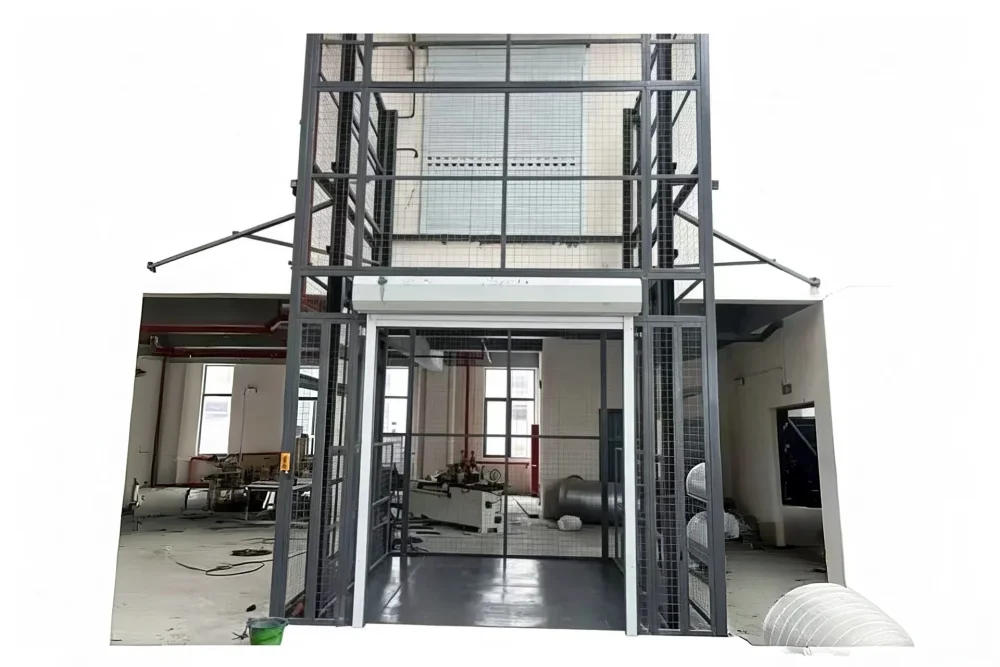
Understanding the Essential Role of Cargo Lifting Systems
Modern industrial operations rely on seamless structural integration and processing speed. Standard commercial elevators or basic goods hoists frequently impose strict space constraints that slow down material intake. A heavy-duty vertical transport system changes this daily dynamic entirely by offering an expanded deck area tailored to your precise facility layout. Integrating a high-performance large platform cargo lift enables facilities to process multi-pallet transfers in a single operational cycle.
Whether installed within an existing multi-story manufacturing site or integrated during initial warehouse construction, these system designs maximize vertical space utilization. By replacing long forklift ramp journeys or slow overhead crane maneuvers, choosing a dedicated large platform cargo lift allows teams to increase daily throughput without sacrificing valuable floor space.
Key Applications Across Diverse Industries
Distribution Hubs and Fulfillment Centers: Streamlines high-volume freight movement between floor mezzanines and main loading bays.
Heavy Manufacturing and Assembly Plants: Safely moves heavy machinery components, large sub-assemblies, and raw production stock between processing floors.
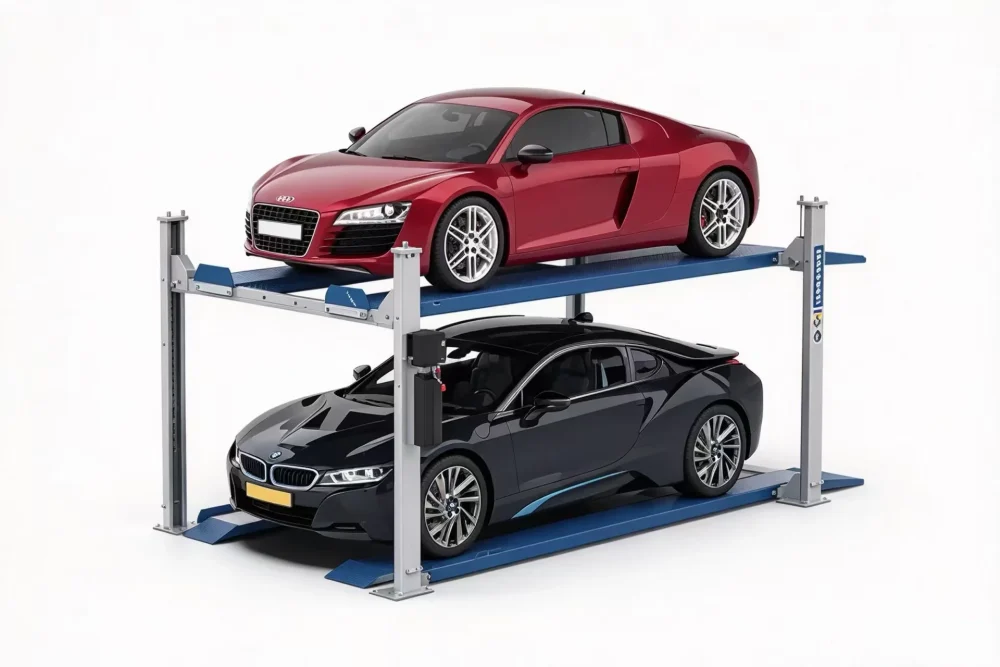
Automotive Commercial Facilities: Functions as high-capacity vehicle elevators to move heavy cars, SUVs, and commercial vans across multiple display levels.
Multi-Level Commercial Retail Centers: Facilitates fast bulk stock movement from basement receiving zones directly to main retail stockrooms.
Technical Engineering Features That Define Performance
Selecting the ideal vertical material handling solution requires an in-depth understanding of core structural components. Long-term reliability depends on drive mechanics, frame structural integrity, and customized sizing options.
Heavy-Duty Drive Configurations
The primary drive system dictates both load capacity and overall movement smoothness:
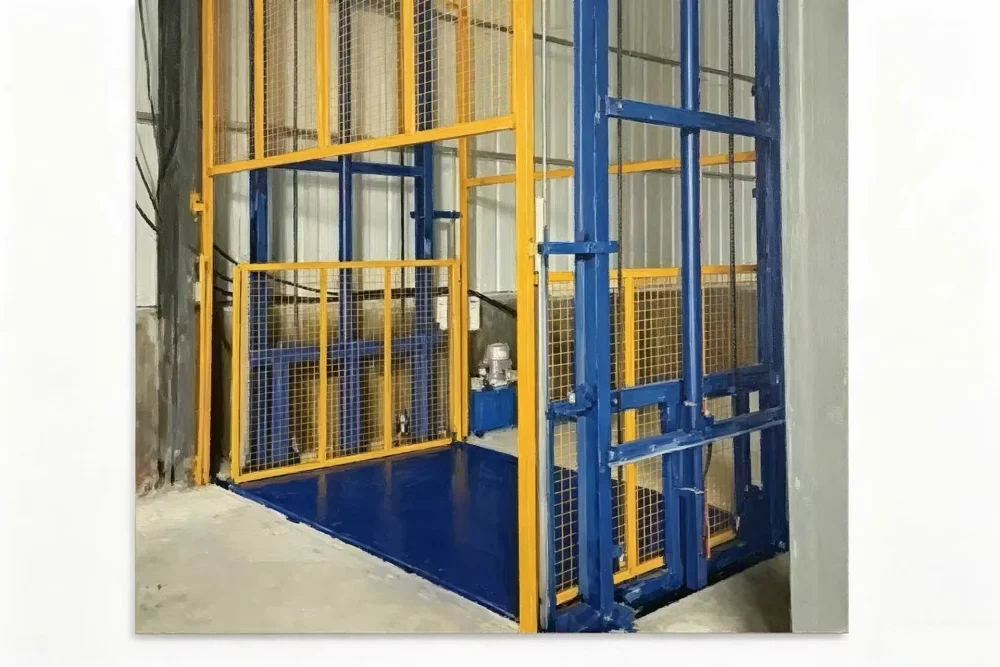
Hydraulic Guide Rail Systems: Best suited for extreme industrial loads reaching up to 20 tons. Hydraulic cylinder drives coupled with heavy-duty chain linkages ensure long-lasting operation, high lifting stability, and straightforward routine maintenance.
Mechanical Gear Motor Systems: Ideal for continuous high-speed vertical travel across multi-story distances, offering high leveling precision at every stop.
Deck Frame Reinforcement and Platform Layouts
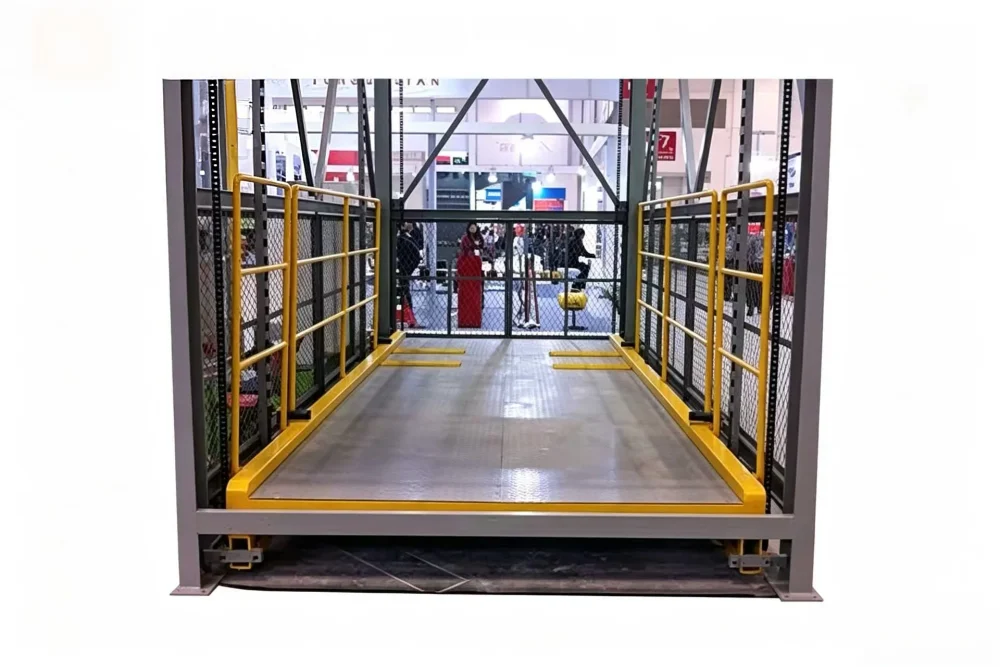
Platform durability depends heavily on structural reinforcement beneath the steel deck plates. Facilities utilizing heavy hand pallet jacks, motorized walkies, or direct forklift loading demand reinforced underlying structural beam patterns. Choosing a custom-built large platform cargo lift ensures that dynamic rolling wheel weights are evenly distributed across the main frame, preventing long-term deck warping.
Detailed Technical Specifications and Configuration Matrix
To assist in evaluating the correct engineering layout for your operational site, review the typical parameters outlined in the structural matrix below:
| Performance Metric | Hydraulic Guide Rail System | Heavy Scissor Structure | Four-Post Overhead Mechanical System |
| Maximum Load Capacity | 1,000 kg – 20,000+ kg | 500 kg – 10,000 kg | 2,000 kg – 30,000 kg |
| Max Deck Length | Up to 8,000 mm | Up to 6,000 mm | Up to 10,000 mm |
| Max Deck Width | Up to 4,000 mm | Up to 3,500 mm | Up to 5,000 mm |
| Max Lifting Height | 2 to 6 levels (Up to 24 m) | 1 to 3 levels (Up to 10 m) | Multi-story (Up to 35 m) |
| Pit Requirements | Shallow Pit (150–300 mm) or Steel Ramp | Deep Foundation Pit Required | Shallow Pit or Floor Surface Mount |
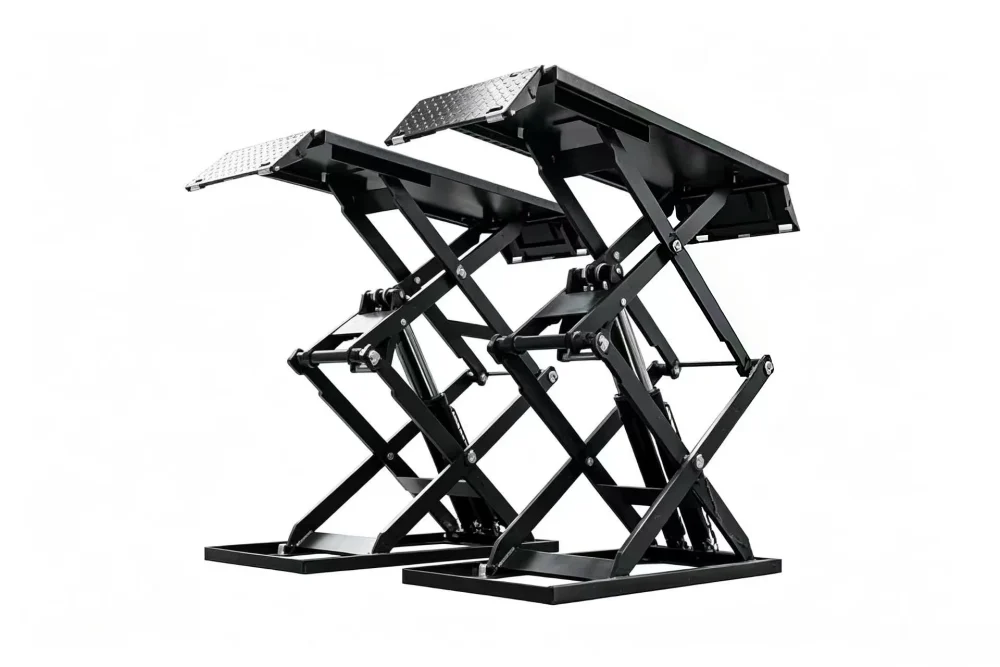
| Structural Footprint | Compact side-rail mounting design | Sub-floor structural scissor frame | Overhead vertical four-post column frame |
| Primary Advantage | High floor versatility & compact footprint | Outstanding structural base rigidity | Superior total weight & physical deck limits |
Large Platform Cargo Lift: Key Operational Advantages for Facilities
Investing in dedicated material elevation systems brings concrete financial, operational, and workplace safety benefits to high-volume industrial environments.
- Eliminating Internal Material Handling Bottlenecks
Moving heavy cargo manually or through repeated short-distance forklift runs consumes hundreds of productive hours every year. Installing a heavy-duty large platform cargo lift empowers operators to move multiple fully loaded pallets or large equipment units in a single automated trip. This direct movement method cuts internal facility transit time by up to 60%, allowing warehouse personnel to refocus on core fulfillment tasks.
- Elevating Workplace Health and Safety Standards
Worker safety remains a major priority across manufacturing and logistics environments. Carrying heavy loads across uneven levels or utilizing improper lifting equipment leads to strain injuries and severe workplace accidents. Integrating an automated large platform cargo lift keeps personnel off hazardous access routes while incorporating built-in mechanical safety locks that prevent accidental movement during loading cycles.
- Maximizing Available Floor Space Real Estate
Unlike inclined conveyor belts or long concrete access ramps that consume valuable ground level footprint, vertical lifting systems operate along a tight vertical axis. Mounting a large platform cargo lift against structural support walls keeps floor space completely open for active production lines, assembly workstations, and high-density storage racking.
- Tailored Architectural Adaptability
Industrial facilities vary widely in physical construction and layout. Flexible manufacturing options ensure that platform length, deck width, gate opening directions, and protective side cladding are fully customized. A tailored large platform cargo lift integrates directly into your existing architectural site plan without requiring costly building overhauls.
Essential Engineering and Site Preparation Considerations
Successful equipment installation requires thorough planning long before delivery trucks arrive on site. Structural engineers and plant managers should review several vital preparation steps:
Pit Depth vs. Surface Ramp Options
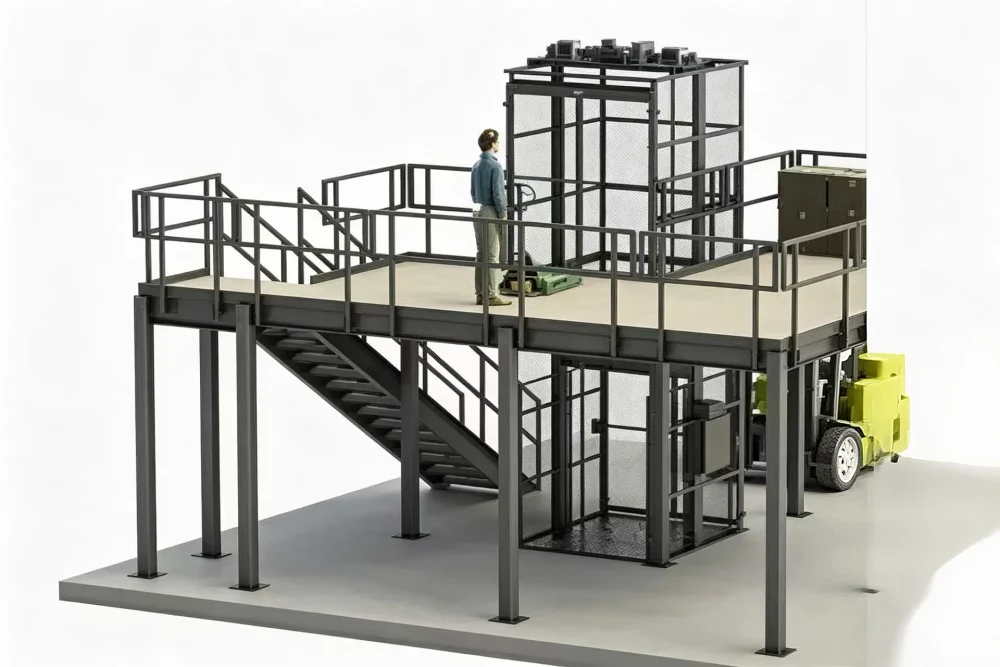
Shallow Pit Construction: Creating a pit depth between 150 mm and 300 mm allows the lowered deck floor to rest completely flush with the surrounding concrete slab, enabling seamless loading with hand trucks or heavy pallet jacks.
Pitless Floor-Mounted Setup: In locations where cutting or excavating concrete slabs is prohibited due to underlying utilities, installing a large platform cargo lift directly on top of the finished floor along with a low-incline steel approach ramp provides smooth access.
Structural Mounting Anchor Integrity
Vertical guide rail tracks must anchor securely against solid concrete walls, reinforced steel structural columns, or purpose-built masonry frames. Proper anchor point installation guarantees smooth vertical alignment, minimizes vibration, and extends the operational service life of the guide rollers.
Electrical System Power Requirements
Industrial lifting equipment generally operates on standard three-phase AC power systems (380V, 415V, or 480V) to deliver consistent power to high-torque hydraulic pumps or heavy mechanical drive motors. Facilities planning a large platform cargo lift installation should verify local voltage stability and ensure dedicated power disconnect switches are positioned within reach of the primary control cabinet.
Critical Safety Features for Industrial Applications
High-performance material elevators must incorporate multi-layered safety mechanisms to protect operational personnel and valuable goods:
Mechanical Anti-Fall Safety Locks: Spring-loaded safety catches engage instantly with the vertical guide columns if cable tension drops or hydraulic lines lose pressure unexpectedly.
Automatic Overload Detection: Internal weight sensors halt deck movement and sound a warning alarm if the loaded cargo exceeds maximum rated weight allowances.
Manual Emergency Lowering Valves: Accessible drop valves allow technicians to lower a suspended large platform cargo lift deck safely during unexpected facility power outages.
Interlocked Landing Protection Gates: External enclosure gates remain securely locked until the deck comes to a complete, level stop at the designated landing floor.
Comprehensive Preventive Maintenance Strategy
Establishing a structured maintenance protocol ensures high operational uptime and long-term equipment reliability:
Monthly Mechanical and Safety Checks
Clean guide rail running surfaces and apply fresh high-grade lubricant.
Inspect hydraulic fluid reservoirs, fluid clarity, and hose fittings for micro-leaks.
Check wire rope tension, link chain balance, and guide shoe wear tolerances.
Test emergency stop switches and electrical door interlock safety sensors.
Quarterly and Annual Systems Auditing
Conduct full-rated weight testing to verify pressure relief valve calibration and brake engagement speed.
Perform detailed structural inspections across all deck frame welds and anchor bolt connections on your large platform cargo lift.
Audit control panel contactors, wiring terminals, and main power breakers for thermal signs of electrical fatigue.
Comparing Specialized Cargo Lifts with Alternative Methods
Selecting the right vertical transport equipment requires understanding how a dedicated large platform cargo lift compares with traditional transport alternatives:
Versus Standard Passenger and Freight Elevators
Traditional passenger or commercial freight elevators demand high capital expenditure, extensive deep concrete pit construction, overhead machine rooms, and lengthy municipal elevator certifications. In contrast, an industrial large platform cargo lift delivers much larger deck dimensions and higher load capacities at a fraction of the civil construction cost, installing with minimal building modifications.
Versus Industrial Forklifts and Telehandlers
Forklifts are highly effective for horizontal floor transport, but relying on them for continuous multi-level mezzanine loading creates severe collision hazards and consumes specialized driver hours. Deploying a fixed large platform cargo lift frees up forklifts for ground-level handling while providing a controlled, repeatably safe method for moving freight vertically.
Frequently Asked Questions (FAQ)
Q1: Can a large platform cargo lift be installed along building exteriors?
Yes, exterior installations are widely used when internal floor space is constrained. Outdoor systems feature specialized weather-resistant powder coatings, hot-dip galvanized steel framing, IP65 waterproof control enclosures, and fully enclosed protective exterior cladding to withstand harsh environmental conditions.
Q2: What is the maximum physical deck size available for custom builds?
Custom engineering allows platform dimensions to extend up to 10 meters in length and 5 meters in width. Exact dimensions depend directly on your required weight capacity, facility structural support placement, and available installation footprint.
Q3: Is an underground concrete pit mandatory for every installation?
No, a deep pit is not strictly required. While a shallow pit (150 mm to 300 mm deep) enables the platform deck to sit flush with your ground floor, pitless surface mounting paired with a durable steel entry ramp works effectively for pallet jack loading.
Q4: Can operators ride inside a large platform cargo lift alongside materials?
Standard industrial goods hoists are designed solely for unattended material elevation. If personnel transport is required, the equipment must be built with specialized passenger elevator upgrades, including continuous side enclosure walls, dual-circuit emergency brakes, and certified elevator safety gear.
Q5: How long does typical site installation take to complete?
Field installation usually requires between 3 and 7 working days. The exact timeframe depends on total travel height, overall platform dimensions, structural enclosure complexity, and the level of site preparation completed prior to arrival.
Q6: How does a large platform cargo lift handle unbalanced or off-center loads?
Engineered platforms utilize heavy-duty dual or quad guide rail assemblies combined with mechanical torsion equalizer bars. This rigid structural frame prevents deck tilting or rail binding when heavy items are positioned away from the exact center of the platform.
Q7: What routine electrical maintenance is required for long-term reliability?
Regular electrical maintenance involves checking control panel relays, testing limit switch alignment at each floor landing, inspecting wiring conduits for physical wear, and ensuring main ground connections remain clean and secure.
Streamline Your Facility’s Material Logistics
Upgrading your vertical transportation architecture enhances material throughput, reduces handling damage, and protects workers from manual lifting injuries. Selecting a customized large platform cargo lift tailored to your facility’s operational workflow ensures reliable productivity for years to come.
For comprehensive technical advice, custom dimensional drafting, or project quotation requests, contact our specialized engineering team today:
Email: [email protected]
Phone / WhatsApp: +86 189 5417 1380
 Spanish
 English
 Arabic
 French
 Korean
 German
 Russian