
Modern residential architecture frequently embraces verticality, with multi-story floor plans, elevated coastal foundations, and deep subterranean garages becoming standard engineering choices. While these designs maximize square footage and offer stunning panoramic views, they introduce a distinct logistical challenge: the daily physical strain of moving heavy, bulky items across vertical levels. Whether it is transporting bulk groceries from a ground-floor garage, moving heavy luggage, or transferring maintenance equipment to an elevated stilt-home deck, relying solely on traditional staircases is inefficient and poses safety risks.
To solve this architectural challenge, property owners are increasingly integrating dedicated material handling systems into their homes. Finding the best residential cargo lifts for your property requires evaluating structural physics, spatial constraints, and mechanical drive systems. Unlike passenger elevators, which demand complex cabin interiors and high licensing fees, material hoists offer a cost-effective, high-capacity utility solution. This comprehensive technical guide will break down the essential components, engineering variations, and installation criteria that define high-performing residential lifts, ensuring you make an informed procurement decision.
Why Modern Multi-Story Homes Require Material Hoists
When planning a residential vertical transit strategy, many homeowners assume a standard passenger elevator is their only option. However, passenger units feature strict dimensional limits and delicate interior finishes that are easily damaged when moving heavy tools, bulky storage bins, or rugged outdoor equipment.
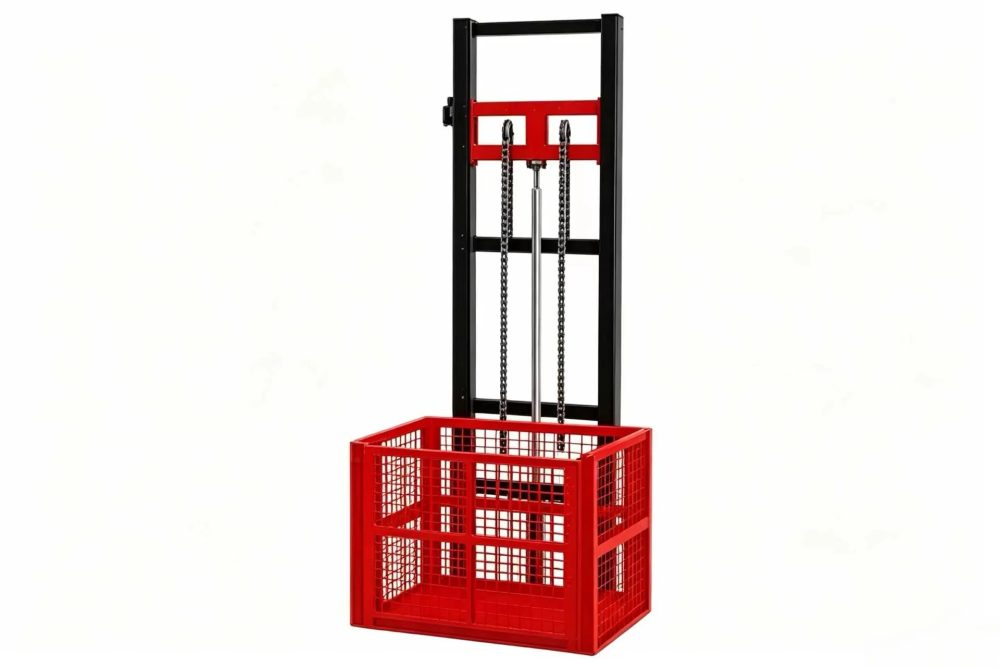
Conversely, the best residential cargo lifts feature durable, open-platform or cage-enclosed layouts engineered specifically to withstand heavy material transport. These systems act as a rugged utility backbone for the home, protecting expensive interior drywall and staircases from being gouged or scratched by bulky items during move-in days or seasonal transitions.
Overcoming Coastal and Stilt-Home Logistical Challenges
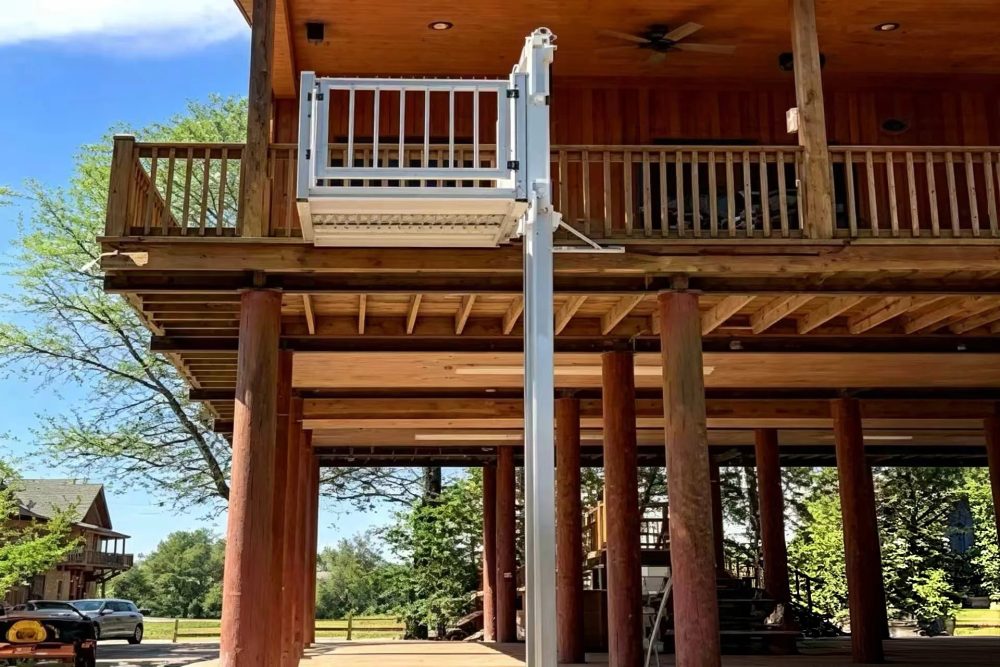
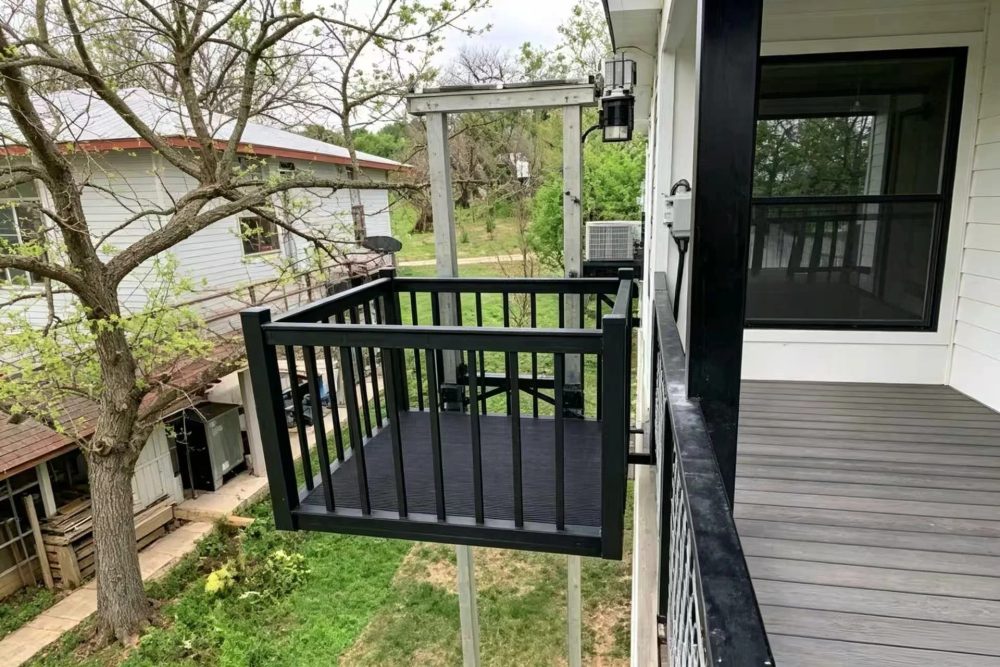
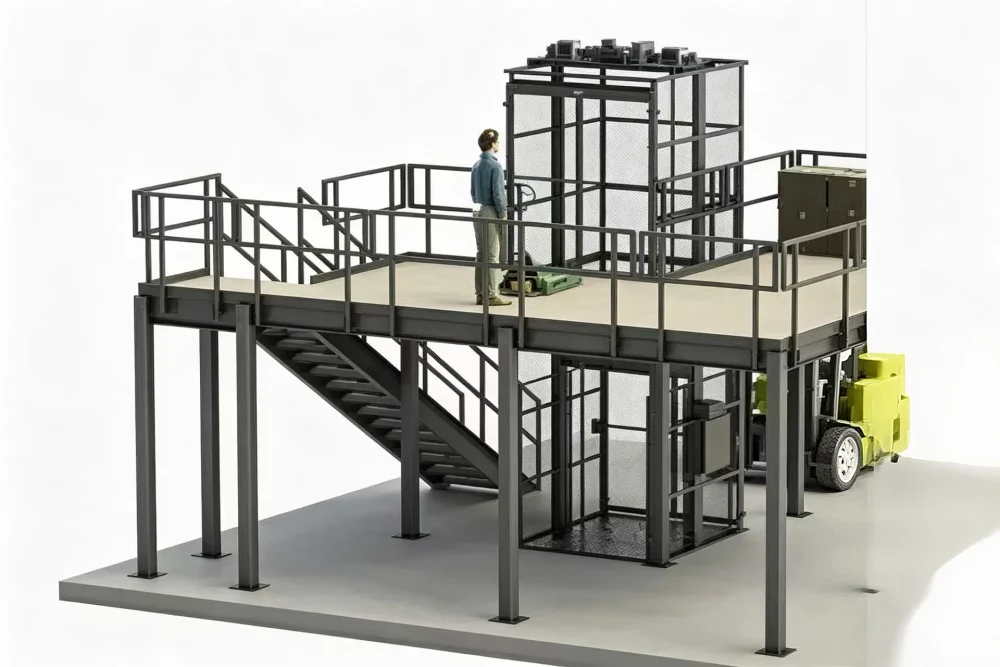
For properties built in flood-prone coastal zones, local zoning laws often dictate that the main living quarters must be elevated on stilts or pilings anywhere from 8 to 15 feet above ground level. Carrying heavy coolers, beach gear, and weekly supplies up these massive outdoor staircases in high humidity or rain is exhausting. Installing the best residential cargo lifts on an exterior deck or porch rail provides an immediate, seamless connection between the ground level and the primary living space, transforming a frustrating daily chore into a quick, effortless push-button operation.
Enhancing Safety and Reducing Injury Risks
The medical and financial risks of slipping on staircases while carrying awkward, heavy loads are well-documented. By routing heavy firewood, large propane tanks, and bulky home maintenance supplies onto a specialized material lift, you significantly reduce the risk of acute physical strain, muscle injuries, or dangerous falls, preserving long-term physical health for everyone in the household.
Key Technical Configurations and Drive System Mechanics
To identify the best residential cargo lifts for your unique property layout, you must look closely at the engineering drawings and structural spec sheets. Not all material lifts are built equally; variations in drive systems, steel column geometries, and platform sizes directly dictate how the machine performs under maximum load.
1. Dual Winding Drum Cable Systems
Many classic coastal material lifts utilize an electric motor connected to a dual winding drum mechanism. Heavy-duty aircraft-grade steel cables wrap around these drums to raise and lower the platform along vertical structural rails. When sourcing the best residential cargo lifts in this category, look for models featuring marine-grade aluminum or hot-dip galvanized steel components. These weatherproofing steps are absolutely essential if the lift is installed outdoors where it faces continuous exposure to salt air and humidity.
2. Hydraulic Rail-Guided Material Hoists
For indoor installations, garage retrofits, or high-capacity material handling, hydraulic drive systems offer exceptional performance. A hydraulic power unit pushes a fluid-driven cylinder to lift the platform smoothly along rigid steel guide rails. Hydraulic configurations provide an incredibly quiet ride, high structural stability, and a long service life, making them a top competitor for the best residential cargo lifts engineered for interior utility closets or multi-story garage spaces.
3. Mechanical Lead Screw Drives
For compact environments with limited overhead space, lead screw mechanisms provide an alternative to cables and hydraulics. The platform travels along a massive threaded steel screw rotated by an electric motor. While their travel speeds are typically slower than hydraulic systems, lead screw lifts offer precise level targeting and eliminate the need for a separate hydraulic machine room or overhead cable pulley brackets.
Evaluating Technical Parameters for Residential Procurement
Before purchasing or importing material handling equipment, procurement managers and homeowners must match the lift’s specifications to the physical realities of the home’s layout and foundation. Below is a breakdown of the core metrics that determine whether a specific model qualifies as the best residential cargo lifts configuration for your facility.
1. Weight Capacity and Structural Duty Cycles
Standard residential cargo lifters generally offer weight capacities ranging from 300 lbs to over 1,000 lbs. If your primary goal is transporting groceries and luggage, a 300-to-500-lb capacity model is ideal. However, if you plan to move large furniture, bulk firewood, or commercial-grade workshop tools, investing in the best residential cargo lifts with a reinforced 1,000-lb platform ensures the motor and structural rails won’t suffer premature metal fatigue.
2. Physical Footprint vs. Clear Platform Space
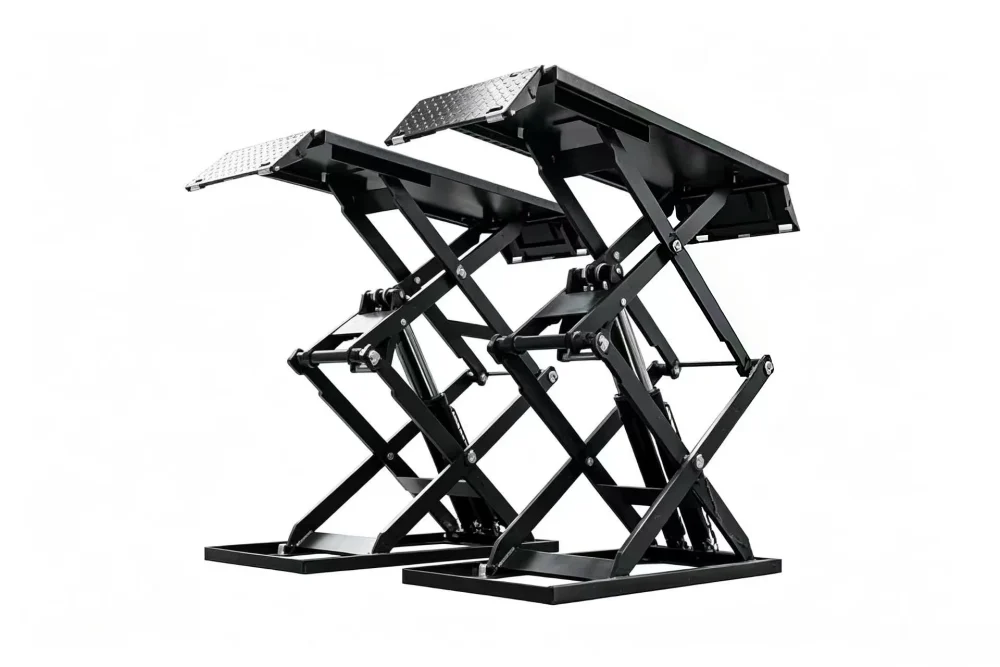
A common mistake is focusing solely on the total exterior dimensions of the lift tower while overlooking the actual usable platform width and depth. The best residential cargo lifts optimize this ratio by utilizing low-profile dual-rail structures that maximize the clear square footage of the platform basket, allowing you to fit oversized items like large storage totes or lawn equipment with ease.
Technical Comparison of Top Residential Material Handling Systems
| Lift Configuration | Primary Application | Weight Capacity Range | Drive System Mechanism | Structural Finish |
| Marine-Grade Exterior Lift | Elevated coastal stilt homes, porch decks, outdoor storage | 150 kg – 250 kg | Dual Winding Drum / Aircraft Cables | Hot-Dip Galvanized Steel or T6 Aluminum |
| Heavy-Duty Interior Cargo Hoist | Multi-story garages, workshops, deep indoor utility shafts | 400 kg – 1,000 kg | Electric-Hydraulic Cylinder & Guide Rails | Powder-Coated Structural Carbon Steel |
| Compact Through-Floor Lifter | Small residential pantries, tight townhome kitchen retrofits | 100 kg – 200 kg | Mechanical Lead Screw or Chain Drive | Sleek Anodized Aluminum Components |
Essential Safety Engineering Features
Lifting hundreds of pounds of cargo vertically next to a residential living area requires foolproof, redundant safety engineering. When sourcing the best residential cargo lifts, price should always be secondary to compliance, certified structural welding, and advanced safety mechanisms.
1. Dual Slack-Cable Braking Systems
In a cable-driven or winding drum setup, a secondary spring-loaded brake lock must be integrated into the platform assembly. In the highly improbable scenario that a lifting cable snaps or loses tension, these secondary mechanical locks instantly pivot outward and wedge themselves firmly into the structural guide tracks. This redundant engineering acts like an emergency brake, stopping any sudden descent in milliseconds.
2. Electromechanical Gate Interlocks
To prevent accidents, the best residential cargo lifts utilize automatic interlocking gates at every landing level. These safety switches ensure that the outer gate or safety basket door cannot be opened unless the cargo platform has arrived and locked into position at that specific floor. Conversely, the lift will refuse to operate if any gate is left slightly open, protecting children and pets from accessing an empty shaft or a moving platform.
3. Integrated Emergency Stop and Overload Protection
Every control station should feature a highly visible, red emergency stop button that cuts all electrical power to the motor instantly. Furthermore, premium iterations of the best residential cargo lifts incorporate internal pressure sensors or electronic load limits that prevent the lift from operating if the maximum rated weight capacity is exceeded, protecting the structural integrity of the drive system.
Maximizing Longevity: Maintenance and Weatherproofing Best Practices
To ensure your material hoist retains its status as one of the best residential cargo lifts options on the market year after year, establishing a rigorous preventative maintenance schedule is essential, especially for exterior installations exposed to the elements.
Cable and Chain Lubrication Duty Cycles
For cable-driven systems, checking the lifting lines for proper alignment and tensioning is a priority. Applying a thin coat of marine-grade clear lubricant to the steel cables or driving chains every six months reduces friction, prevents rust formation in coastal environments, and ensures a smooth, quiet lifting cycle.
Structural Rail and Slide Block Cleaning
The guide rollers or slide blocks travel up and down the vertical tracking under continuous pressure. Regularly cleaning the tracks to remove dust, pollen, and debris, followed by a light application of silicone-based spray, prevents the platform from stuttering or creating chattering sounds during vertical transit.
Hydraulic Seals and Fluid Quality Inspections
If you choose a hydraulic model, check the fluid reservoir periodically to ensure the oil remains clean and free of amber discoloration, which indicates oxidation or moisture contamination. Inspecting the hydraulic fittings and cylinder seals annually prevents premature pressure loss, ensuring the pump maintains peak performance output.
Frequently Asked Questions (FAQ)
Q1: What makes a lift one of the best residential cargo lifts for a coastal environment?
Сайт best residential cargo lifts for coastal environments are defined by their resistance to severe corrosion. They must feature hot-dip galvanized steel or aircraft-grade aluminum structural towers, stainless steel hardware, and sealed, waterproof (IP66 or higher) electrical enclosures. These premium materials prevent salt air and high humidity from causing rust, which compromises mechanical safety over time.
Q2: Can a residential cargo lift be used to transport passengers or pets?
No. Material hoists and cargo lifts are explicitly engineered and certified for un-manned freight transport only. They lack the specific interior cab safety walls, constant-pressure passenger controls, and redundant full-enclosure sensors required by international elevator safety codes for transporting human passengers. For safety and liability reasons, only cargo, luggage, groceries, and equipment should be placed on the platform.
Q3: What type of electrical power connection do these material lifts require?
Most light-to-medium-duty options among the best residential cargo lifts run on standard 110V or 220V single-phase household power grids. This allows them to plug directly into a dedicated residential circuit breaker without requiring expensive industrial three-phase utility upgrades, making them highly convenient for standard home installations and garage retrofits.
Q4: How long does it typically take to install a residential material lift?
For a standard two-story exterior deck installation, a team of professional technicians can typically complete the physical assembly, structural alignment, and electrical wiring within 1 to 3 working days, depending on the site preparation. Indoor installations that require building a custom enclosed utility shaftway or cutting through a floor ceiling may take longer due to additional carpentry work.
Q5: Do the best residential cargo lifts require a deep concrete pit?
No, one of the greatest design benefits of a dedicated cargo lifter compared to a traditional passenger elevator is that they do not require a deep foundation pit. Many of the best residential cargo lifts feature low-profile base structures that sit directly on an existing level concrete pad or sturdy wooden deck, utilizing a short, integrated flip-down ramp to allow easy rolling access for hand trucks and wheeled coolers.
Conclusion: Partnering with an Expert Manufacturer
Finding the best residential cargo lifts comes down to balancing structural safety, space optimization, and long-term mechanical reliability. By prioritizing heavy-duty structural steel or marine-grade aluminum, advanced redundant safety locking systems, and precision-manufactured power units, you protect your home investment while significantly expanding your property’s logistical efficiency.
At Tebolift, we design and manufacture professional-grade residential lifts, material hoists, and heavy-duty cargo handling solutions tailored to the demanding standards of commercial operations and elite private properties worldwide. Our material handling systems feature premium structural frames, whisper-quiet drive units, and automated multi-position safety interlocks engineered to deliver absolute peace of mind. Whether you are retrofitting an elevated coastal home or optimizing a multi-story garage layout, our technical engineering team is here to provide tailored space planning and equipment recommendations.
For custom equipment blueprints, technical material spec sheets, or wholesale pricing inquiries, please connect with our global sales division directly:
Phone / WhatsApp: +86 181954171380
Email: [email protected]
 Russian
 English
 Arabic
 French
 Korean
 Spanish
 German