
In modern warehousing, logistics, and manufacturing, optimizing vertical space is an operational necessity. As businesses scale, moving heavy goods across multiple floors efficiently and safely becomes a core bottleneck. This is where high-quality vertical freight conveyors come into play. However, finding the right partners to design, build, and install these systems can be challenging. Partnering with the right ensures that your facility gains a reliable, durable, and compliant lifting solution tailored to your exact operational workflows.
From heavy-duty industrial scissor platforms to high-capacity guide rail systems, the market offers a diverse range of lifting technologies. Navigating this landscape requires a deep understanding of what top-tier engineering companies bring to the table, how to evaluate their production standards, and how to select the ideal configuration for your specific site conditions.
Understanding the Core Offerings of Top Producers
Industrial material handling requires heavy machinery engineered for endurance. Leading heavy machinery suppliers do not just sell off-the-shelf products; they engineer custom solutions that bridge the gap between structural limitations and material handling goals.
Generally, industrial lifting equipment falls into two major architectural categories, each served by specialized cargo lift manufacturers:
1. Fixed Hydraulic Scissor Lifts
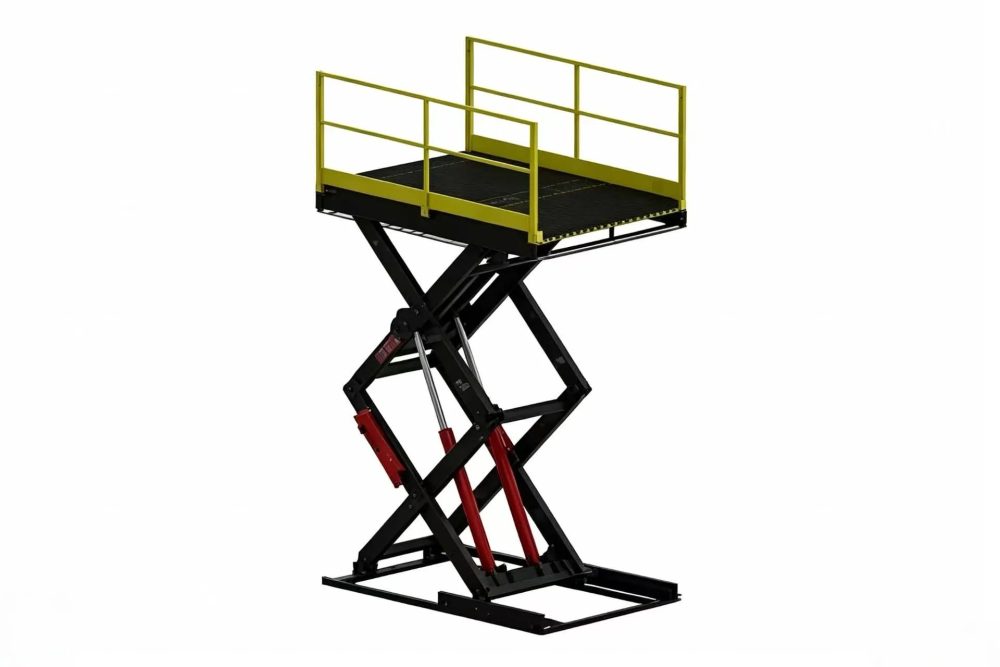
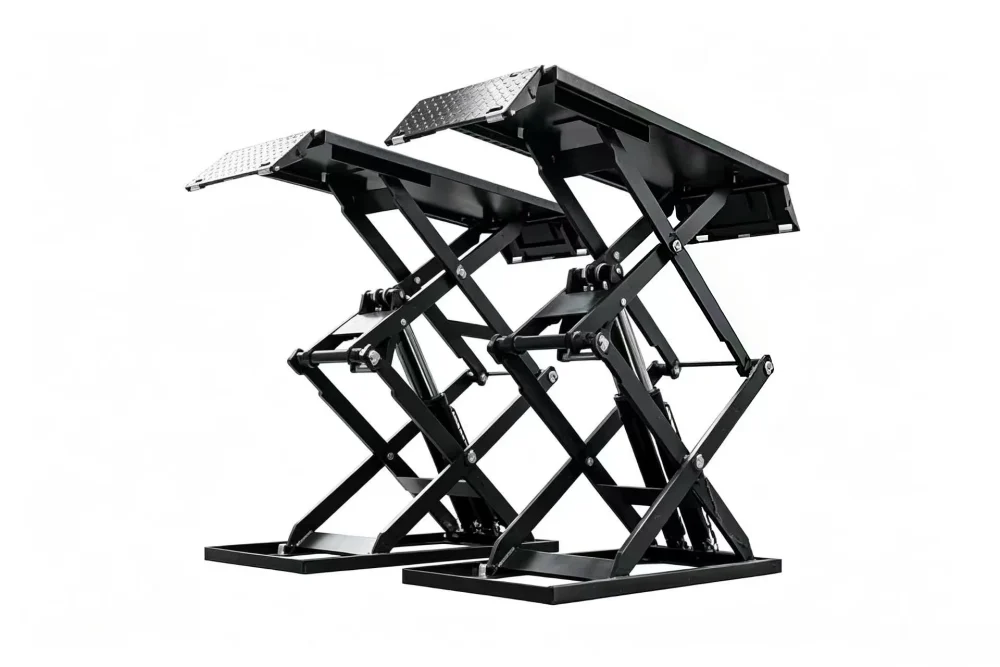
Ideally suited for low-to-medium lift heights with massive weight capacities, fixed hydraulic scissor lifts offer exceptional structural stability. These platforms use a cross-braced mechanism that extends vertically, providing a highly rigid platform perfect for loading docks, manufacturing lines, and heavy pallet transfers between two closely spaced floors.
2. Hydraulic Guide Rail Freight Elevators
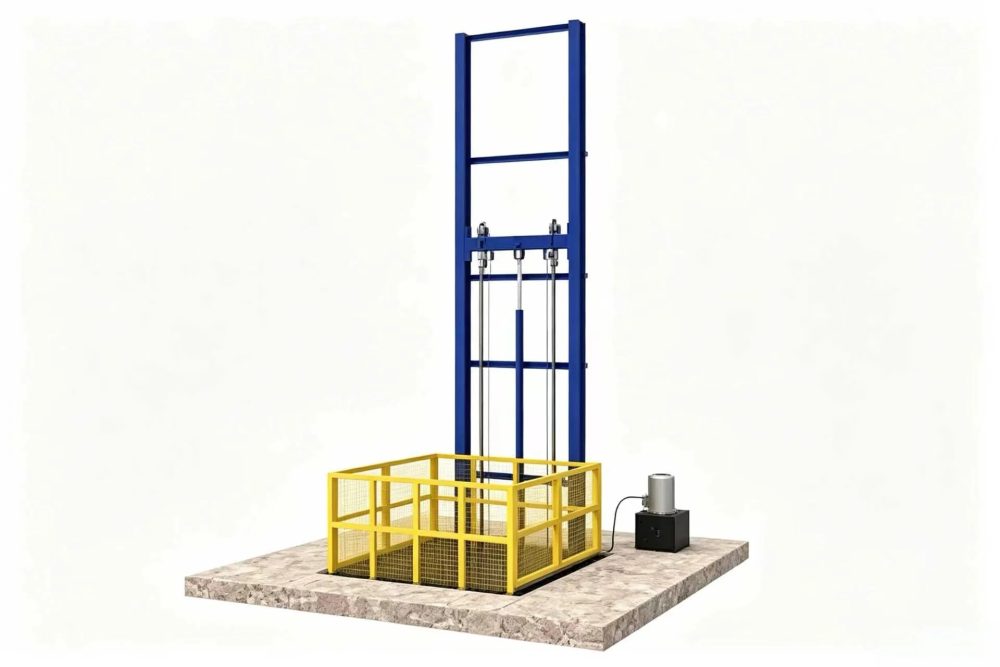
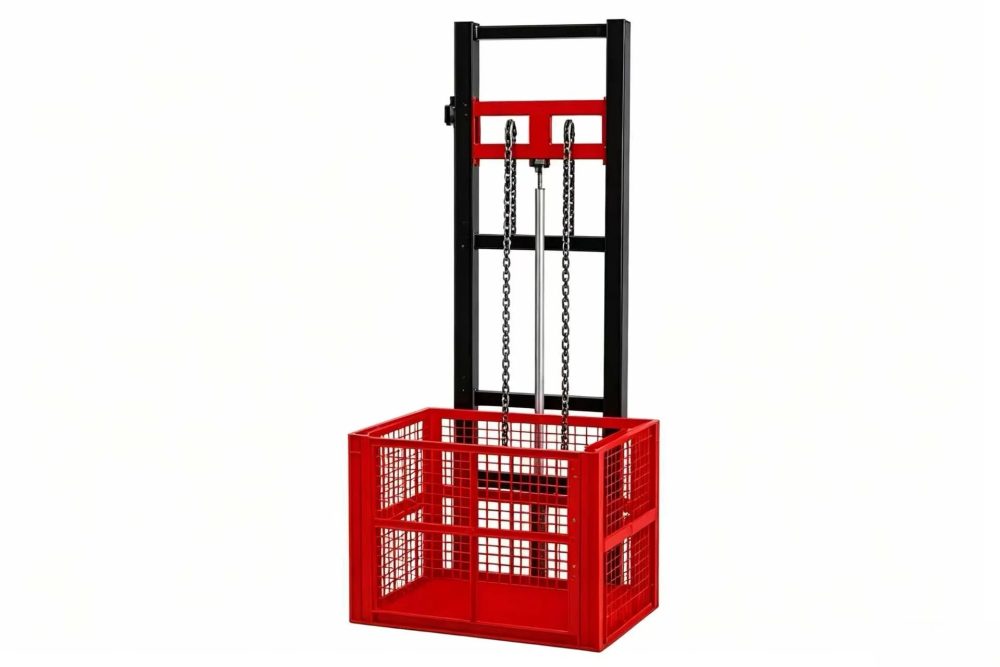
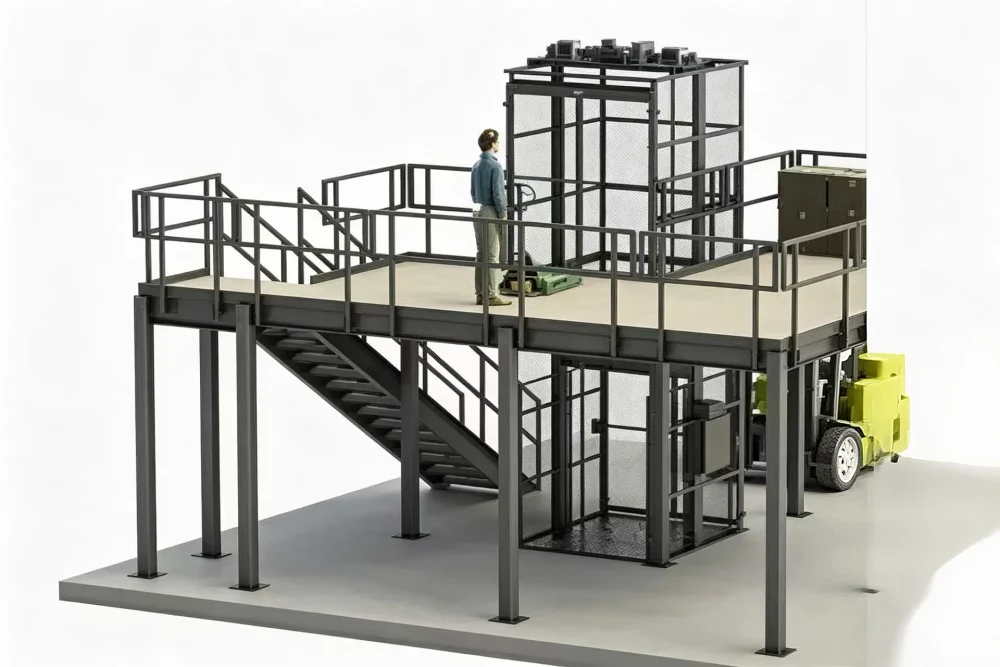
For multi-floor lifting structures requiring higher travel heights and a smaller footprint, premium cargo lift manufacturers recommend hydraulic guide rail freight elevators. Supported by robust steel pillars and driven by hydraulic cylinders linked to heavy-duty chains, these systems offer smooth vertical transit with minimal structural modifications to the existing building.
Key Factors to Evaluate When Comparing Equipment Suppliers
Selecting a manufacturing partner is a long-term investment. The reliability of your material handling equipment directly impacts your daily throughput and workplace safety. When vetting potential cargo lift manufacturers, look past the initial price tag and focus on critical operational indicators.
Engineering and Customization Capabilities
No two warehouses are identical. Floor heights vary, pit depths might be restricted by existing foundations, and door configurations must align with your fork-truck traffic paths. Elite cargo lift manufacturers maintain dedicated in-house engineering teams capable of modifying standard designs. Whether you need a flame-proof motor for chemical environments or a non-standard platform size to accommodate oversized machinery, the best industrial brands will tailor the blueprint to your exact specifications.
Material Quality and Structural Integrity
The lifespan of a freight lift depends entirely on the raw materials used during fabrication. Leading cargo lift manufacturers utilize high-grade Q345 manganese steel for structural elements, heavy-duty leaf chains for hoisting, and precision-engineered hydraulic power units.
When interviewing potential vendors, it is vital to ask these cargo lift manufacturers about their welding standards and surface treatment processes. A high-quality shot-blasting and powder-coated finish prevents rust and extends structural life in humid or industrial environments, saving you thousands in future maintenance costs.
Safety Mechanisms and Compliance
Safety is non-negotiable when dealing with high-capacity vertical transport. Reliable cargo lift manufacturers integrate multiple layers of safety redundancy into their systems to protect both your staff and your inventory. These essential features include:
Anti-Fall Safety Locks: Mechanical locks that arrest the platform instantly if a chain slackens or breaks.
Overload Protection Devices: Sensors that prevent the lift from operating if the weight limit is exceeded.
Emergency Lowering Valves: Manual valves allowing operators to lower the platform safely during a power outage.
Interlocking Enclosure Doors: Ensuring the lift cannot move unless all safety gates are fully closed and locked.
Technical Specifications: What to Look For
To simplify your initial screening process when contacting various suppliers, it helps to understand the standard technical boundaries of modern industrial lifts. Below is a comprehensive overview of typical specifications offered by professional cargo lift manufacturers for standard configurations.
| Technical Parameter | Hydraulic Guide Rail Lift | Fixed Hydraulic Scissor Lift |
| Load Capacity Range | 500 kg to 30,000 kg+ | 1,000 kg to 50,000 kg+ |
| Max Lifting Height | Up to 20 meters (Multi-floor) | Typically up to 6–8 meters |
| Размер платформы | Highly customizable to shaft dimensions | Customizable, ideal for large surface areas |
| Pit Requirement | Shallow pit (150mm–300mm) or ramp access | Deep pit required for flush-floor mounting |
| Drive System | Hydraulic cylinders & heavy-duty chains | Direct-acting hydraulic scissor cylinders |
| Main Application | Multi-story factories, mezzanine access | Loading bays, production lines, short transfers |
Step-by-Step Guide to Working with Machinery Providers
Achieving a flawless installation requires structured collaboration between your facility management team and the chosen industrial machinery provider. Experienced cargo lift manufacturers typically follow a streamlined project pipeline to ensure nothing is overlooked during the project life cycle.
Phase 1: Site Assessment and Spatial Planning
Before any steel is cut, professional cargo lift manufacturers will request detailed site measurements. You will need to determine whether the lift will be installed indoors through floor cutouts, inside an existing masonry hoistway, or outdoors against an exterior wall. If a floor pit cannot be dug due to underground utilities, your chosen factory will design an ultra-low profile platform equipped with a specialized entry ramp.
Phase 2: Design Approval and Technical Review
During this stage, the engineering department of the selected cargo lift manufacturers will generate 2D structural layouts or 3D CAD models. This documentation specifies the exact placement of guide rails, hydraulic power packs, control boxes, and structural anchor points. Review these drawings carefully alongside your facility layout to confirm that loading vectors and door orientations match your workflow.
Phase 3: Production and Quality Control Testing
Once blueprints are signed off, production begins. Reputable cargo lift manufacturers perform stringent factory acceptance testing (FAT) before the machinery leaves the floor. This includes pressure-testing hydraulic lines, checking electrical control panel wiring, and assembling structural elements to guarantee perfect alignment before shipping.
Phase 4: Logistics, Installation, and Commissioning
Because heavy industrial lifts are bulky, global cargo lift manufacturers package components securely in seaworthy steel or wooden crates. Upon delivery, the lift can be installed by local heavy-machinery technicians or under the remote video guidance of the factory’s engineering support team. Once erected, a comprehensive load test must be performed to calibrate the safety valves and verify smooth operation under maximum weight conditions.
Why Global Buyers Trust Professional Factories
The international logistics market heavily relies on industrial equipment manufactured in specialized industrial hubs. Global cargo lift manufacturers have optimized their supply chains to deliver incredibly durable, high-performance lifting equipment at highly competitive price points.
By leveraging advanced automation in cutting and welding, these overseas cargo lift manufacturers maintain tighter dimensional tolerances than traditional workshop fabrication. Furthermore, seasoned cargo lift manufacturers ensure that all electrical systems use globally recognized components (such as Schneider or Siemens electronics), making routine maintenance and sourcing replacement parts straightforward for your local maintenance crews.
Investing in a robust freight lift drastically reduces manual labor overhead, minimizes product damage during vertical transit, and eliminates the safety hazards associated with using standard forklifts to move goods across multiple floor levels. By establishing a direct channel with established cargo lift manufacturers, you eliminate middleman markups, gain access to factory-direct engineering expertise, and secure a reliable long-term supply chain partner for your facility’s future expansions.
Frequently Asked Questions (FAQ)
1. Can cargo lift manufacturers customize the lift size to fit my existing shaft?
Yes, customization is a core service provided by premium cargo lift manufacturers. They can adjust platform dimensions, lifting heights, travel speeds, loading orientations, and weight capacities to match your specific structural limitations and operational needs.
2. What are the pit requirements for installing a hydraulic cargo lift?
Generally, a shallow pit ranging from 150mm to 300mm is required to ensure the lift platform sits flush with the warehouse floor when fully lowered. However, if digging a pit is impossible due to site constraints, many cargo lift manufacturers can supply an external drive-on ramp to accommodate the platform height.
3. How do factory engineers ensure the safety of their products during a power failure?
Industrial lifts are designed with gravity-down hydraulic systems and emergency lowering valves. In the event of a power outage, the lift will remain securely locked in position. A technician can manually operate the lowering valve to safely descend the platform to the lowest floor level without electrical power.
4. What maintenance is required to keep a cargo lift running smoothly?
Routine maintenance involves checking hydraulic oil levels, inspecting lifting chains for wear, lubricating guide rails, and verifying that all electrical door interlocks function perfectly. Most reputable cargo lift manufacturers provide a detailed maintenance schedule and offer quick access to replacement seals and components.
5. How long does the manufacturing and delivery process typically take?
Production timelines vary depending on complexity, but standard customized orders are generally processed by industrial vendors within 15 to 30 days. Shipping times depend on your global location and chosen logistics methods.
Connect with an Industry-Leading Manufacturing Partner
Finding a reliable partner among the sea of global cargo lift manufacturers requires a company that balances technical precision, heavy-duty material standards, and responsive customer care. If you are planning to upgrade your facility’s vertical logistics or need a tailored material handling solution, expert guidance is just a message away.
Phone: +86 18954171380
Email: [email protected]
 Russian
 English
 Arabic
 French
 Korean
 Spanish
 German