
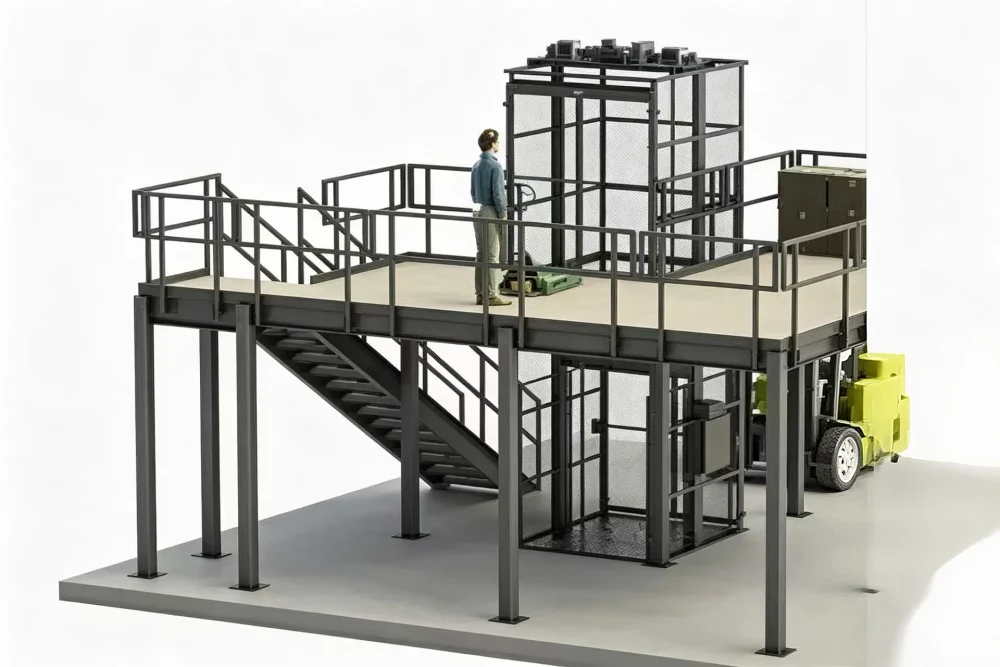
In modern industrial landscapes, efficiency and safety are the twin pillars of operational success. As factories, warehouses, and construction sites expand vertically, the demand for robust vertical transportation systems becomes paramount. Among the various solutions available, the industrial elevator lift stands out as an indispensable asset for moving heavy payloads, machinery, and personnel across multi-level facilities. Unlike standard commercial elevators, these heavy-duty systems are engineered to withstand harsh environments, extreme temperatures, and continuous operational cycles. Understanding the nuances of an industrial elevator lift is essential for plant managers and project engineers aiming to optimize their workflow.
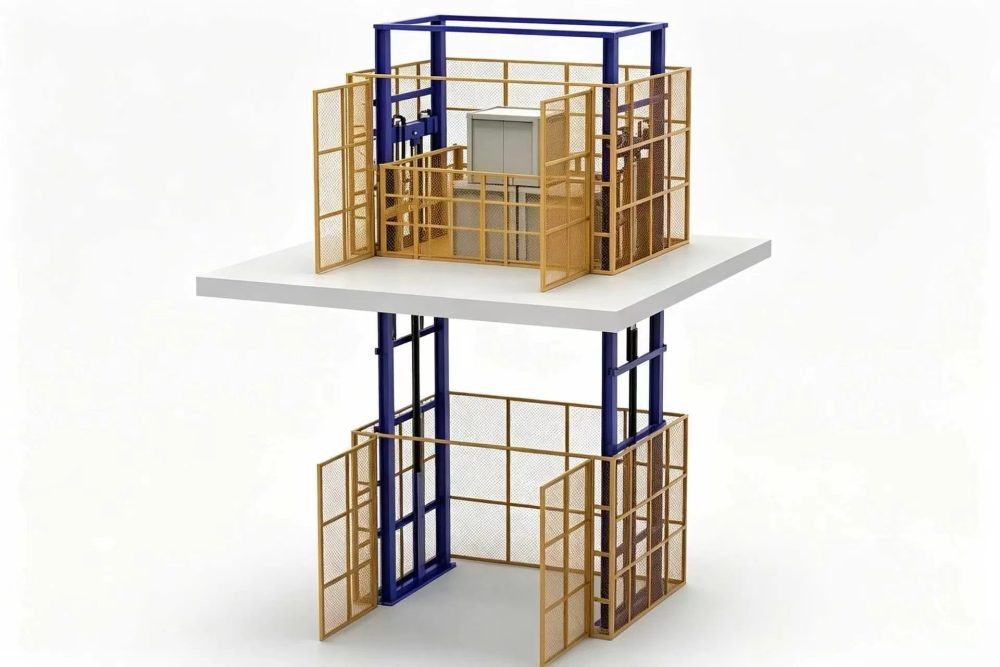
The Evolution of Vertical Freight Management
Vertical material handling has come a long way from primitive pulley systems to highly sophisticated, automated machinery. Today’s industrial elevator lift integrations represent a pinnacle of mechanical and electrical engineering. These systems are no longer just passive vertical tracks; they are active components of smart warehousing and automated manufacturing ecosystems. By implementing a reliable industrial elevator lift mechanism, enterprises can drastically reduce cycle times, minimize manual handling risks, and unlock valuable vertical space that would otherwise remain underutilized.
Key Components and Structural Integrity
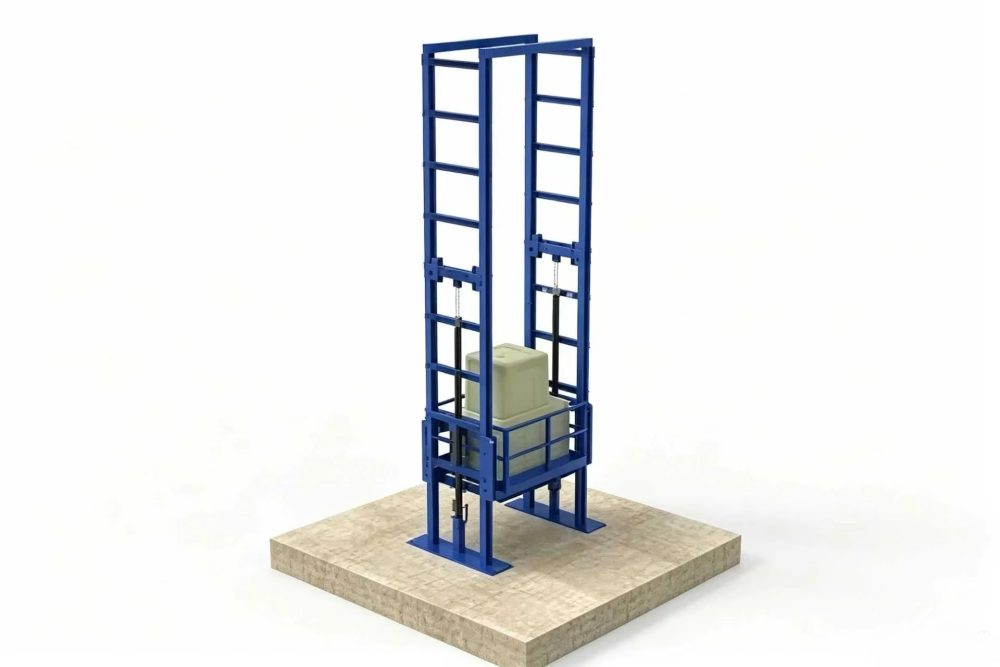
To appreciate the reliability of an industrial elevator lift, one must look at its core architecture. These units are built using reinforced structural steel, high-tensile cables or hydraulic rams, and advanced programmable logic controllers (PLCs). The drive mechanism—whether traction, hydraulic, or rack and pinion—is chosen based on the specific vertical travel distance and weight capacity requirements. For instance, rack and pinion systems are favored in open-air construction sites and chemical plants due to their resilience against environmental debris, while hydraulic variants offer unmatched stability for low-to-medium rise heavy freight transport.
Types of Industrial Lifting Systems
Industrial vertical transportation is not a one-size-fits-all market. Different applications demand specific configurations to maximize throughput and ensure long-term durability.
Traction Elevators: Best suited for high-rise structures, these systems utilize counterweights and cables to achieve high speeds and smooth transitions. They are ideal for deep-shaft mining operations and multi-story manufacturing complexes.
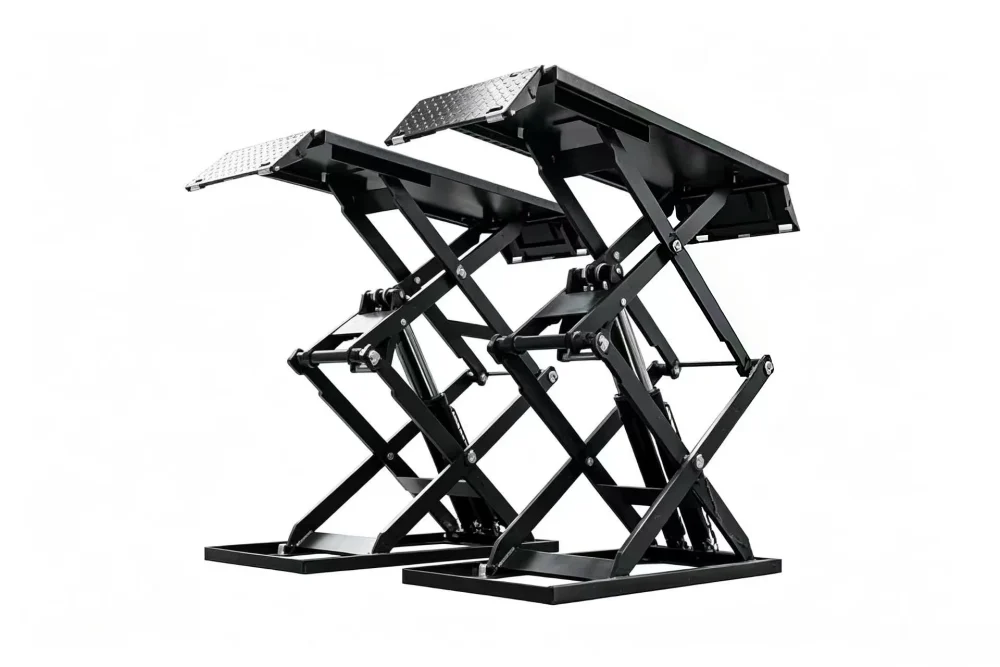
Hydraulic Lifts: Perfect for heavy-duty, low-speed applications. A hydraulic industrial elevator lift utilizes fluid pressure to elevate the platform, making it incredibly stable for transporting heavy machinery or bulky raw materials over a few floors.
Rack and Pinion Systems: Commonly seen on construction sites, wind turbines, and offshore oil rigs. Their unique gear design ensures that even if power fails, mechanical braking systems can safely lock the cabin in place.
Optimizing Operational Workflows
Integrating a high-capacity industrial elevator lift into your facility does more than just move items from floor A to floor B. It transforms the entire logistics pipeline. When materials move seamlessly across different elevations, bottleneck areas in production lines are virtually eliminated. Workers can focus on high-value tasks rather than spending exhausting hours maneuvering heavy loads via ramps or forklift trucks. This streamlined approach directly translates to enhanced bottom-line profitability and faster turnaround times.
Safety Regulations and Compliance Standards
Safety is non-negotiable when dealing with heavy machinery. Every industrial elevator lift must comply with rigorous international and local standards, such as ASME A17.1, EN 81, or specific OSHA regulations. These compliance frameworks dictate everything from the thickness of the steel enclosure to the redundancy of the emergency braking systems. Regular inspections, load testing, and certified maintenance logs are mandatory to prevent catastrophic failures and protect the workforce from workplace hazards.
Дополнительные функции безопасности
Modern vertical lifts are equipped with an array of active and passive safety mechanisms. Overload sensors prevent the platform from operating if the weight threshold is exceeded, protecting both the structural integrity and the passengers. Emergency lowering devices ensure that in the event of a sudden power outage, the cabin can safely descend to the nearest landing floor. Furthermore, explosion-proof components can be integrated into an industrial elevator lift destined for hazardous environments, such as petrochemical facilities or grain handling silos where volatile dust is a constant threat.
Environmental and Structural Considerations
Selecting the right industrial elevator lift requires a deep analysis of the environment in which it will operate. For coastal installations or chemical processing plants, corrosion-resistant coatings and stainless-steel fixtures are imperative to combat salt spray and acidic vapors. In contrast, outdoor construction environments require robust seals to prevent dust, mud, and water from infiltrating the electrical enclosures and drive gears. Factoring in these environmental variables during the design phase saves thousands of dollars in premature replacement costs.
Customization Options for Specific Industries
No two industrial facilities are identical, which is why leading manufacturers offer extensive customization options. For automotive assembly lines, a specialized industrial elevator lift might feature extra-wide doors and integrated conveyor rollers to allow automated guided vehicles (AGVs) to roll directly onto the platform. In pharmaceutical or food processing contexts, cleanroom specifications require smooth, non-porous surfaces that can withstand aggressive washdown procedures with sanitizing chemicals.
Cost vs. Value: A Long-Term Investment Analysis
While the initial capital expenditure for a custom industrial elevator lift can be substantial, the long-term return on investment (ROI) is undeniable. A cheap, under-engineered lift will inevitably lead to frequent breakdowns, expensive emergency repairs, and costly operational downtime. Conversely, investing in a premium system ensures decade-long reliability, lower energy consumption through regenerative drive technologies, and significantly higher operational uptime, proving that upfront quality saves money over time.
Innovative Technologies Transforming the Industry
The integration of the Internet of Things (IoT) has brought predictive maintenance to the forefront of vertical transportation. Sensors embedded within the industrial elevator lift can continuously monitor vibration, motor temperature, and cable tension. This real-time data is analyzed by cloud-based algorithms to predict component wear before an actual failure occurs. Maintenance teams can then schedule repairs during planned shutdowns, eliminating unexpected operational disruptions.
Selecting the Right Manufacturer
Partnering with an experienced manufacturer is the most critical decision in procurement. A reliable partner doesn’t just sell equipment; they provide comprehensive turnkey solutions encompassing site assessment, custom engineering, professional installation, and lifelong maintenance support. When evaluating suppliers for your next industrial elevator lift project, verify their engineering credentials, ask for case studies in similar industries, and ensure they provide robust warranty terms and ready access to spare parts.
Operational Efficiency in Modern Warehousing
With the meteoric rise of e-commerce, warehousing facilities are expanding upwards rather than outwards to conserve footprint. In these mega-fulfillment centers, a high-throughput industrial elevator lift serves as the backbone of multi-tiered inventory management. By facilitating rapid replenishment cycles and seamless vertical movement of palletized goods, these lifts enable operators to maximize cube utilization and maintain blistering fulfillment speeds demanded by the modern market.
Installation and Commissioning Dynamics
The installation of an industrial elevator lift is a complex engineering feat that requires meticulous planning. Civil works, such as excavating a concrete pit and erecting a structural hoistway, must be perfectly aligned with the lift’s mechanical tolerances. Once installed, a rigorous commissioning process involving static and dynamic load testing ensures that the system performs flawlessly under maximum stress, guaranteeing total peace of mind for site managers.
Sustainability and Energy Efficiency
As global industries shift toward greener practices, energy efficiency has become a key design metric. Modern industrial elevator lift systems utilize variable voltage variable frequency (VVVF) drives to optimize power consumption during acceleration and deceleration. Additionally, regenerative braking systems can capture kinetic energy during downward trips and feed it back into the facility’s electrical grid, substantially reducing the carbon footprint of vertical operations.
Summary of Technical Specifications
To help project managers understand the typical capabilities available, the following table outlines the key parameters across standard configurations of these industrial vertical transport systems.
Comparison of Common Technical Configurations
| Configuration Type | Load Capacity (kg) | Max Travel Height (m) | Best Suited Application |
| Light Duty Hydraulic | 1,000 – 3,000 | 15 | Small Warehouses & Mezzanines |
| Heavy Duty Hydraulic | 3,000 – 10,000 | 25 | Automotive Plants & Heavy Freight |
| Rack and Pinion | 2,000 – 5,000 | 150+ | Construction Sites & Oil Rigs |
| High-Speed Traction | 2,000 – 8,000 | 80 | Multi-level Logistics Centers |
Maximizing Lifespan Through Preventive Maintenance
The durability of an industrial elevator lift depends heavily on its maintenance regime. Daily visual inspections by operators, combined with monthly comprehensive checks by certified technicians, ensure that minor issues like loose fasteners or slight fluid leaks are addressed immediately. Keeping a detailed logbook and adhering strictly to the manufacturer’s lubrication schedules will extend the functional lifespan of the lifting gear by decades, ensuring a safe working environment.
Заключение
In conclusion, the integration of a rugged, well-engineered industrial elevator lift is a transformative decision for any multi-level industrial operation. From improving daily material throughput to ensuring the absolute safety of personnel, these robust machines are foundational to modern industrial infrastructure. By carefully analyzing your structural requirements, environmental constraints, and long-term operational goals, you can select an industrial elevator lift system that delivers peerless performance and outstanding value for years to come.
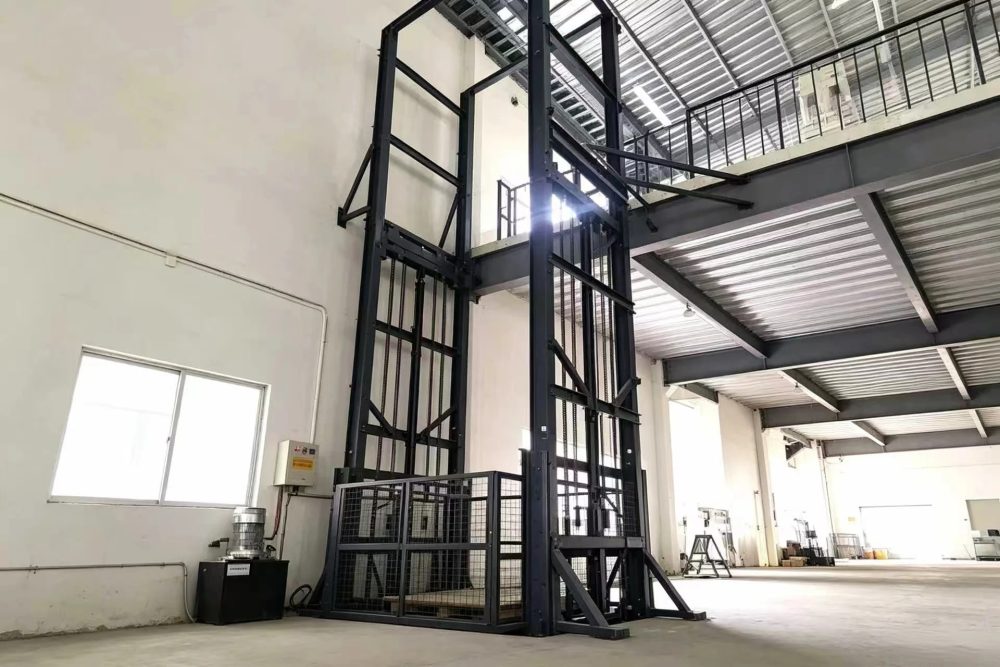
Часто задаваемые вопросы
Q1: What is the primary difference between a freight lift and a commercial elevator?
An industrial elevator lift is specifically built with heavy-gauge materials and reinforced structural frameworks to handle heavy, concentrated cargo and survive demanding environments, whereas commercial elevators are designed primarily for passenger comfort and aesthetics.
Q2: Can an industrial elevator lift operate in explosive environments?
Yes, units can be custom-engineered with explosion-proof components, spark-resistant materials, and sealed electrical enclosures specifically for hazardous zones such as chemical plants or grain elevators.
Q3: How often does an industrial vertical lift require inspection?
While daily visual checks should be performed by operators, a comprehensive statutory inspection of your industrial elevator lift by a certified professional is typically required every 6 to 12 months, depending on local regulatory mandates.
Q4: What drive system is best for ultra-high vertical travel heights?
For heights exceeding 30-40 meters, rack and pinion or high-speed traction systems are generally preferred over hydraulic systems due to mechanical limitations of hydraulic cylinders over long distances.
Contact Information
For expert consultation, custom engineering layouts, and competitive quotes tailored to your facility’s vertical logistics needs, please reach out to our dedicated engineering team:
Phone: +86 18954171380
Email: [email protected]
 Russian
 English
 Arabic
 French
 Korean
 Spanish
 German