
In the modern architectural landscape, vertical transportation systems are the unsung heroes keeping urban environments functional. While millions of corporate employees and apartment dwellers rely daily on passenger elevators to commute smoothly between floors, another class of heavy-duty machinery operates quietly behind the scenes. For warehouse managers, industrial plant engineers, and commercial property developers, understanding what is a freight elevator is essential to managing efficient logistical workflows. These rugged, high-capacity systems are designed specifically to carry heavy, oversized cargo rather than human crowds, serving as the physical backbone for industrial supply chains and commercial multi-story facilities alike.
At first glance, all vertical lift systems might appear to perform the same basic function: moving people or goods upward and downward. However, when evaluating the underlying engineering principles, structural integrity, and strict safety guidelines, the distinction between passenger and industrial machinery becomes immediately obvious. Diving deep into the operational mechanics of these utility lifts clarifies not only their physical design but also why they are required by municipal building codes globally. Exploring what is a freight elevator reveals a complex synthesis of structural steel, reinforced hydraulics, and heavy-duty control panels engineered to survive the harshest manufacturing and distribution environments.
Core Definition: Distinguishing Грузовые подъемники from Passenger Elevators
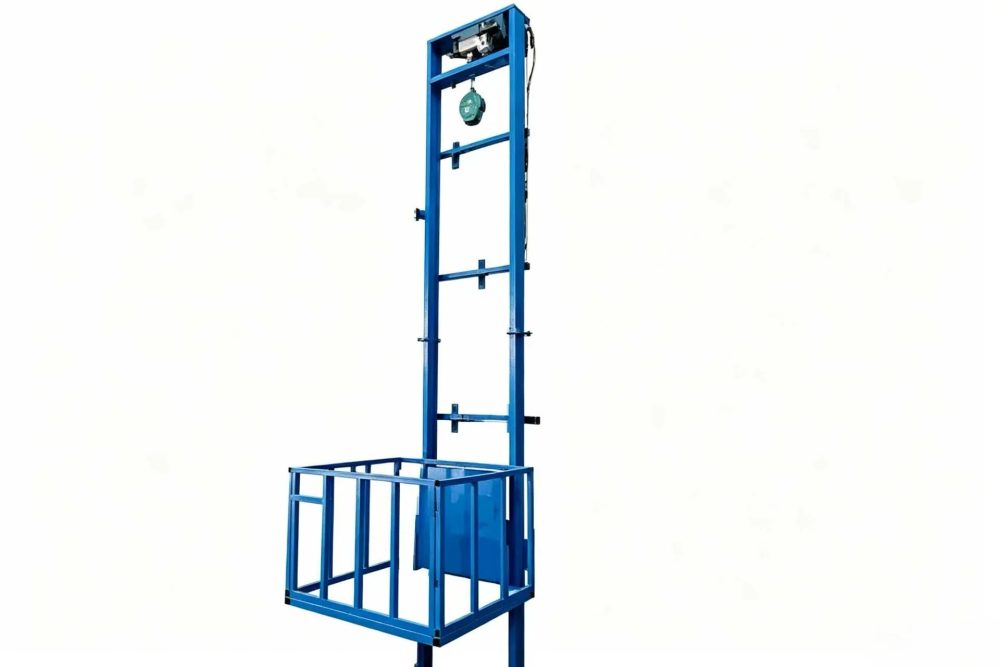
To establish a foundational understanding, we must clearly define what is a freight elevator and distinguish it from conventional transport systems. Legally and mechanically, these vertical platforms are built explicitly to handle material goods, bulk equipment, palletized inventory, and even industrial motor vehicles. While passenger cabins prioritize aesthetic appeal, smooth acceleration, and maximum travel speed, a cargo lifting system prioritizes raw structural strength, high weight capacity, and extreme floor-level wear resistance.
This fundamental difference dictates everything from the selection of materials to cabin design layout. For instance, while a residential tower elevator features wood veneers, mirrored glass, and elegant lighting panels, the inside of an industrial cargo hoist is constructed with heavy-gauge reinforced steel walls, anti-skid steel diamond-plate floors, and reinforced structural gates. Furthermore, when analyzing what is a freight elevator from a regulatory framework, these systems fall under separate national compliance standards that enforce stringent safety guidelines governing weight distribution, loading methods, and mechanical drive configurations.
Historical Evolution of Vertical Material Handling
The industrial revolution completely transformed how goods were manufactured, stored, and shipped. As factories expanded vertically to conserve ground-level space, relying on manual labor and primitive ropes to hoist raw materials became highly inefficient and dangerous. Early engineering breakthroughs in steam power and hydraulic machinery paved the way for dedicated lifting systems. Investigating the early history of what is a freight elevator demonstrates a clear trajectory from simple, manually operated platforms to the sophisticated, computer-controlled machines we depend on today. For facility coordinators seeking to optimize material flow, knowing what is a freight elevator in its historical context underscores how deeply modern trade relies on automated vertical transit.
Classification by Loading Style: ASME Code Categories
To fully comprehend what is a freight elevator, one must understand how industry regulatory bodies categorize them according to their specific load-bearing applications. The American Society of Mechanical Engineers (ASME) defines five unique classes of freight lifting equipment to ensure that systems are matched perfectly to their operational stresses:
Class A (General Freight Loading): The most common configuration where the load is handled in small pieces or via hand trucks. The weight of any single piece cannot exceed 25% of the rated capacity of the elevator.
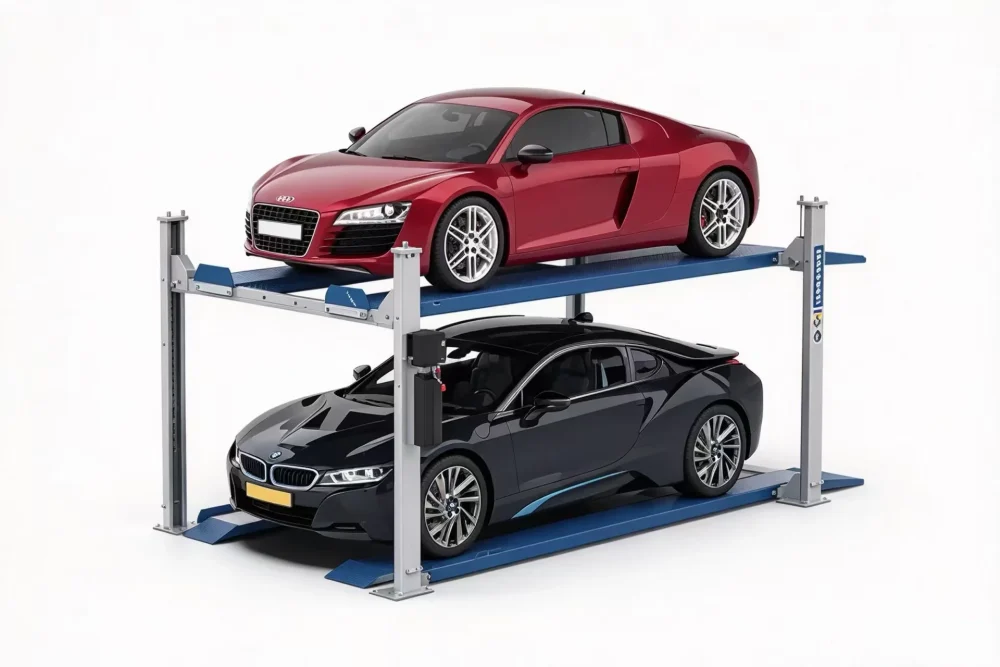
Class B (Motor Vehicle Loading): Specially engineered structures designed exclusively to transport passenger automobiles, light utility trucks, or delivery vans between multi-level parking decks or showrooms.
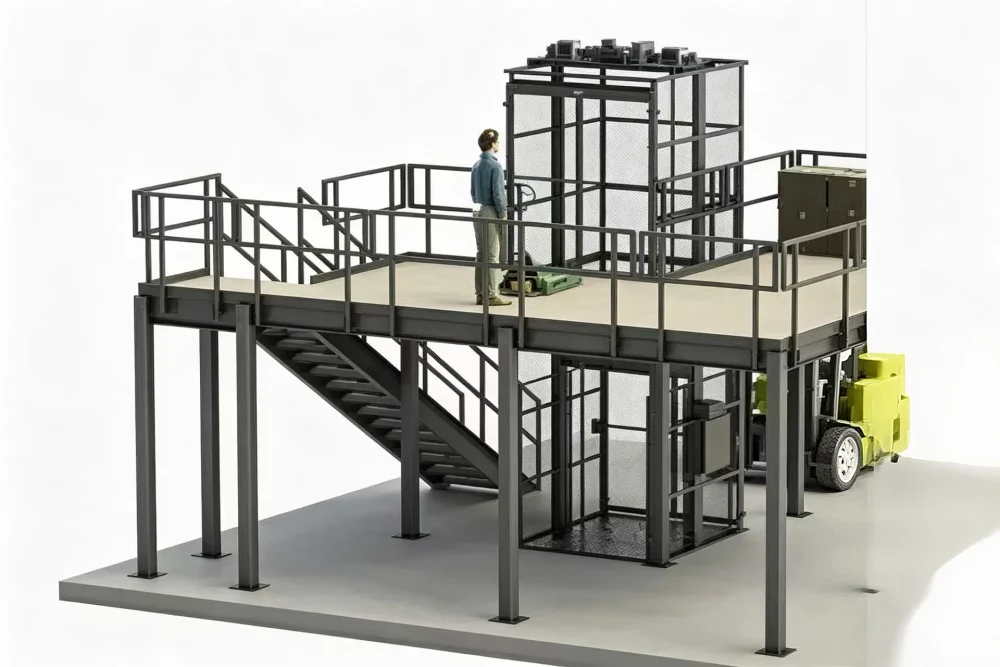
Class C1 (Industrial Truck Loading): This setup allows a heavy power lift truck, such as a forklift, to drive directly onto the elevator platform to load and unload goods. The total weight of the truck and the cargo can equal the maximum rated lifting capacity.
Class C2 (Industrial Truck Storage): In this specific category, the power truck does not travel with the load but drives onto the platform to deposit cargo, exerting heavy structural strain during the static loading phase.
Class C3 (Other Heavy Concentrated Loads): Reserved for extreme scenarios where the lift handles highly dense, heavy single-piece machinery that matches the absolute maximum rated capacity of the system.
Each of these classifications requires a vastly different engineering approach. When a developer asks a manufacturing engineer what is a freight elevator suitable for a car manufacturing plant versus an electronic component warehouse, the engineer will point directly to these specific ASME loading categories. Choosing the wrong classification can lead to structural warping, premature hydraulic failure, or catastrophic cable snaps due to uneven weight distribution during forklift loading operations.
Mechanical Drive Systems: How Cargo Elevators Move Heavy Loads
Behind the rugged exterior walls of the cabin lies the mechanical power unit that drives the vertical journey. If you ask a mechanical technician what is a freight elevator driven by, they will typically outline two primary engineering mechanisms: hydraulic systems and traction systems.
Hydraulic Drive Systems
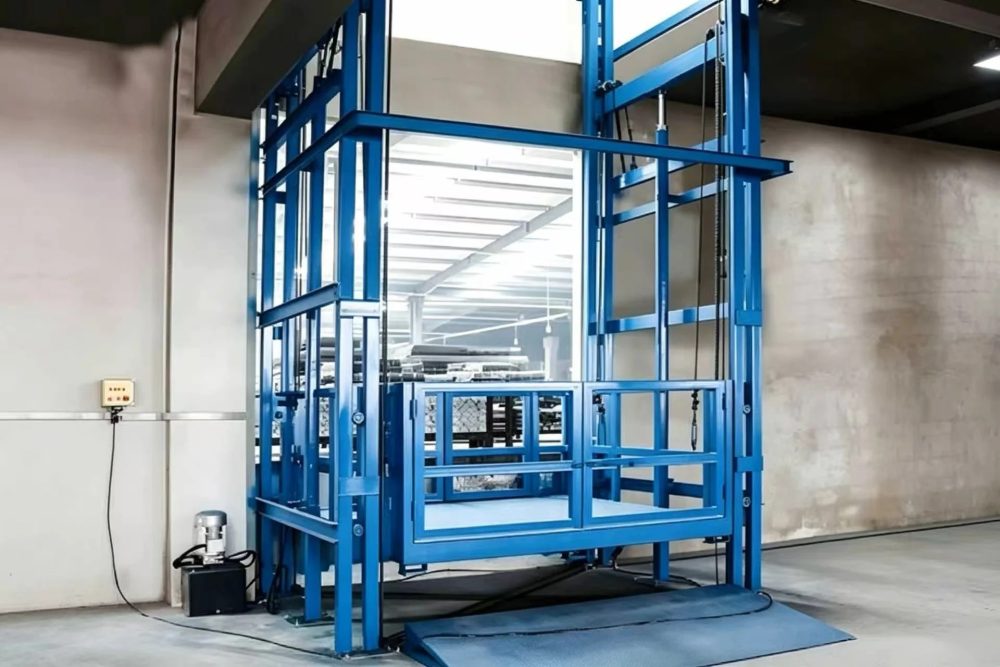
Hydraulic freight systems are incredibly popular for low-to-medium rise buildings, typically serving up to five floors. These systems utilize a powerful hydraulic pump that injects specialized oil into a heavy-duty steel plunger or piston, which pushes the elevator cabin upward. Hydraulic setups are favored because they can lift immensely heavy weights without placing excessive structural stress on the building’s overhead roof beams. For facilities looking for an affordable, high-capacity solution for fewer floors, understanding what is a freight elevator utilizing hydraulic fluid reveals an ideal, cost-effective match.
Traction (Cable) Drive Systems
For high-rise industrial complexes, commercial skyscrapers, and massive multi-tiered shipping hubs, traction drive configurations are mandatory. These systems utilize heavy steel hoist cables routed over a grooved drive sheave powered by an electric motor, counterbalanced by a heavy counterweight. Traction lifts travel much faster than hydraulic models and can span unlimited vertical distances. When evaluating high-rise infrastructure, asking what is a freight elevator powered by traction cords reveals a layout built for continuous, multi-floor performance. For skyscrapers, examining what is a freight elevator running on traction tech showcases the pinnacle of high-capacity vertical mobility.
Essential Structural Features of Heavy-Duty Freight Equipment
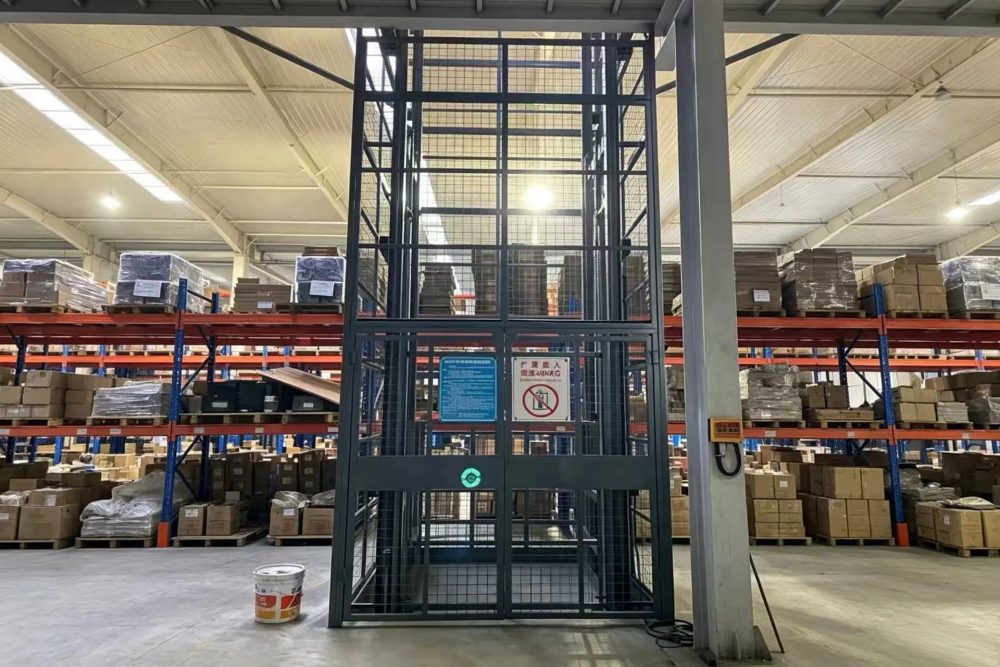
Because these systems encounter intense daily impacts from forklifts, metal pallets, and heavy barrels, their structural architecture must be drastically reinforced compared to passenger models. Anyone exploring what is a freight elevator will immediately notice several standard, heavy-duty architectural components designed for maximum durability:
Reinforced Steel Framing: The structural chassis of the cabin is built with heavy structural steel channels and I-beams to prevent the floor and walls from flexing under off-center loading stresses.
Vertical Bi-Parting Gates: Unlike conventional passenger lift doors that slide horizontally to the side, cargo elevators frequently utilize vertical bi-parting doors. The top half slides upward into the shaft, while the bottom half drops down flush with the landing sill, creating an completely unobstructed entryway for wide pallets.
Industrial Sill and Track Protection: Sills at the landing entrances are reinforced with solid steel plates or heavy metal alloys to absorb the severe impact of rolling machinery and laden forklifts crossing back and forth.
High-Impact Wall Bumper Rails: Wood or heavy rubber bumpers are bolted directly along the inner steel walls of the cabin to protect the main structural shell from puncture damage caused by stray hand trucks or shifting inventory.
Technical Direct Comparison: Freight vs. Passenger Lift Systems
To synthesize the practical differences and clearly illustrate what is a freight elevator relative to standard commercial options, review the detailed comparative breakdown below:
| Feature | Passenger Elevator | Freight Elevator |
| Primary Design Intent | Moving building occupants comfortably | Transporting heavy material goods & vehicles |
| Weight Capacity Range | 2,000 to 5,000 lbs | 4,000 to 50,000+ lbs |
| Cabin Interior Styling | Luxury finishes, glass, wood veneers | Plain heavy-duty steel plates, rubber bumpers |
| Door Operation | Horizontal sliding doors | Vertical bi-parting gates or heavy manual mesh |
| Travel Speed | Medium to extremely fast (up to 2,000 ft/min) | Slow and steady (typically 50 to 200 ft/min) |
| Structural Loading Stress | Uniformly distributed light floor loads | Extreme, concentrated wheeled-vehicle impact loads |
Safety Systems and Redundant Engineering Controls
Given the massive forces involved in moving tens of thousands of pounds vertically, safety is the absolute paramount consideration in industrial lift design. A thorough investigation into what is a freight elevator requires exploring the multi-layered mechanical and electrical safeguards that prevent accidents.
The most critical component is the mechanical safety gear or ‘safeties.’ If the steel hoist cables slacken or the elevator exceeds a pre-determined downward speed threshold, an independent mechanical governor instantly trips. This forces heavy steel wedges into the vertical guide rails, locking the heavy cabin to the structural steel columns within inches, independent of electrical power. Additionally, electrical interlocks prevent the lift from moving if the heavy vertical bi-parting gates are open even a fraction of an inch. Knowing what is a freight elevator equipped with these redundant systems gives warehouse workers complete confidence when loading high-value stock.
Critical Selection Criteria for Commercial Property Owners
When architects and facility directors specify vertical transit equipment for a new industrial hub, they must carefully evaluate their long-term logistics needs. Asking what is a freight elevator configuration that fits our specific manufacturing floor involves calculating daily duty cycles, maximum individual pallet weights, and the exact dimensional clearance of the largest machinery components.
Furthermore, developers must factor in the structural impact on the building itself. Beyond weight capabilities, discovering what is a freight elevator option with low maintenance overhead helps streamline multi-year utility budgets. By matching the equipment class to the real-world daily logistics pattern, businesses minimize operational downtime and avoid expensive emergency maintenance repairs.
Frequently Asked Questions (FAQ)
To help project managers and buyers fully grasp the technical scope of industrial lifts, we have compiled clear answers to the most common inquiries regarding vertical cargo logistics.
Q1: Can human passengers legally ride inside a freight lifting system?
A1: Generally, standard passengers are legally prohibited from riding in these units unless they are designated as ‘authorized freight handlers.’ Under strict building regulations, only specific personnel directly tasked with loading and unloading the cargo are permitted to operate and ride within the cabin. This restriction helps maintain safety protocols and ensures that the system is prioritized for material distribution rather than general foot traffic.
Q2: What is a freight elevator’s typical lifespan under heavy industrial conditions?
A2: With a rigorous preventive maintenance program, a premium cargo lift can easily operate reliably for 25 to 30 years or more. Because their core components are crafted from heavy-gauge structural steel and heavy-duty industrial hydraulics, they withstand immense abuse. However, key components like door rollers, gate cables, and hydraulic seals may require replacement every 7 to 10 years depending on daily cycle frequency.
Q3: How much space is required for a standard cargo lift shaft hoistway?
A3: The hoistway dimensions depend entirely on the chosen capacity and ASME loading classification. A standard 5,000-lb Class A lift may require a shaft footprint of approximately 9 feet wide by 11 feet deep, along with an overhead clearance area and pit depth below the lowest floor line. For larger vehicle or forklift-loading models, the footprint expands significantly to accommodate the wider platform dimensions safely.
Q4: What is a freight elevator’s primary maintenance requirement?
A4: Regular lubrication of the heavy vertical guide rails, alignment testing of the mechanical safety locks, inspection of hydraulic fluid levels, and verification of door interlock switches are the most critical maintenance steps. Monthly checks by a certified technician prevent costly operational bottlenecks and ensure full compliance with municipal safety codes.
Conclusion: Building a Solid Foundation for Vertical Logistics
In summary, exploring what is a freight elevator highlights its vital role as a foundational component of industrial architecture and modern urban supply chain management. From moving automobiles between showroom levels to hoisting raw metal pallets in manufacturing facilities, these heavy-duty vertical systems offer unparalleled material-handling capabilities that standard passenger lifts cannot match.
By selecting the appropriate ASME loading class, investing in the ideal hydraulic or traction drive system, and strictly adhering to certified safety guidelines, building owners can protect their operational workflows for decades. Reclaim your facility’s vertical efficiency and secure your long-term logistics framework by choosing professional, field-tested lifting technology.
Professional Support & Contact Information
For customized architectural engineering advice, comprehensive technical specifications, or specialized industrial lift planning tailored to your project floor plans, please reach out to our dedicated support team:
Email Address: [email protected]
Direct Phone & WhatsApp: +86 18954171380
 Russian
 English
 Arabic
 French
 Korean
 Spanish
 German